

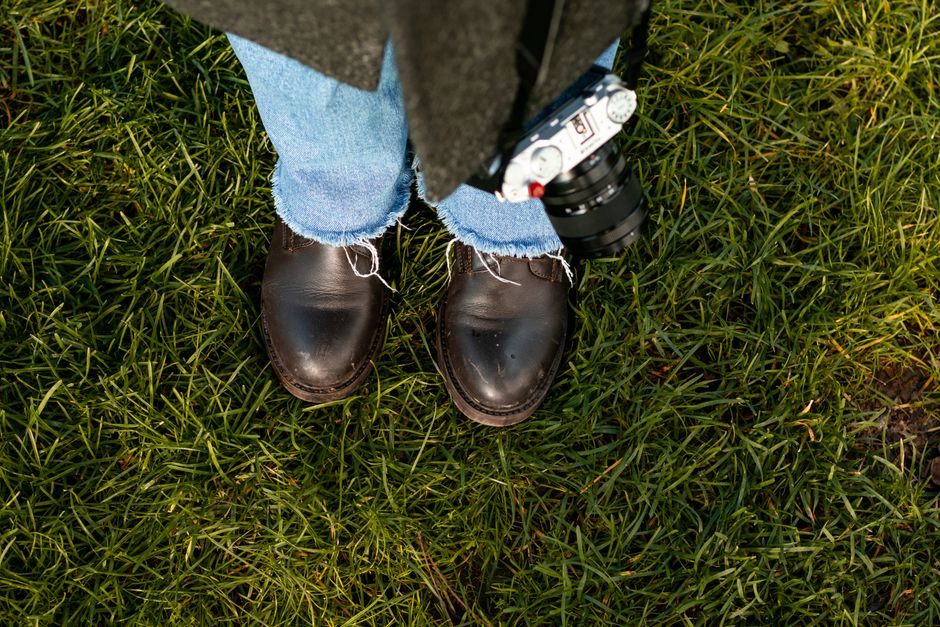
Black ice doesn’t care how waterproof your boots are. The outsole compound on most winter-marketed footwear starts losing grip below -10°C — and if you’ve ever slipped on a parking lot that looked completely clear, that’s exactly what happened. This guide covers what actually matters when buying boots for ice, which technologies deliver on their claims, and where the marketing oversells reality.
This is not professional safety advice. Slip risk depends on terrain, gait, and conditions. These are product-based observations only.
Why Most Winter Boots Fail When Ice Shows Up
The footwear industry labels boots winter-ready based on insulation rating and water resistance. Those two features have almost nothing to do with ice traction. A boot can keep your foot warm and dry while sliding you straight into a curb.
The Rubber Compound Problem
Standard rubber hardens significantly below -15°C. When rubber hardens, it stops conforming to surface irregularities — which is exactly how grip works. The tread pattern becomes irrelevant because the material itself can no longer flex and grab.
Ice-rated boots use thermoplastic rubber (TPR) or carbon rubber compounds formulated to stay flexible in sub-zero temperatures. Vibram Arctic Grip and Michelin’s ice-rated compounds are the two most documented versions. Both maintain meaningful flexibility to approximately -30°C. Standard EVA and basic rubber soles do not.
What Waterproof Actually Covers
GORE-TEX, waterproof leather, and hydrophobic membranes block liquid water. They say nothing about ice behavior. A GORE-TEX-lined fashion boot with a smooth leather outsole is a waterproof ice skate. Brands know consumers conflate the two certifications, and the marketing takes full advantage of it.
Tread Depth vs. What Ice Actually Responds To
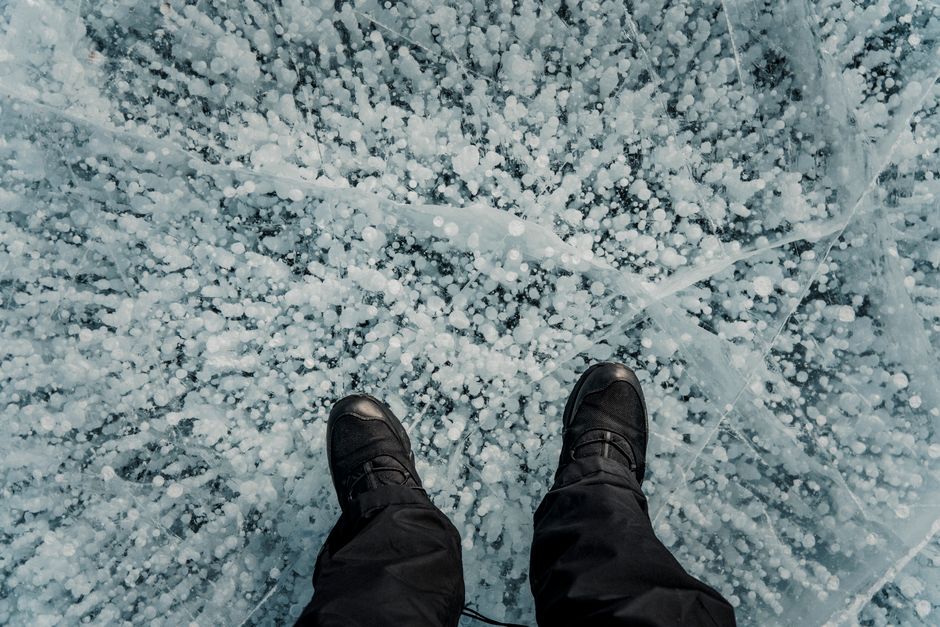
Deep aggressive lugs help in snow and mud. On glare ice, they do very little — ice has no structure for lugs to grab. What matters on ice is the contact compound and any micro-texture built into the outsole surface. Some Vibram Arctic Grip soles use fiber-embedded construction that creates friction at the microscopic level. That’s the actual differentiator.
Outsole Technologies Compared: What the Labels Actually Mean
Here’s how the main outsole technologies stack up on the specs that matter for icy and cold conditions. Temperature ratings below refer to the outsole’s flexibility range, not the boot’s comfort rating — those are different numbers, sometimes with a 20-degree gap between them.
| Technology | Min. Temp Rating | Ice Performance | Snow Performance | Found In |
|---|---|---|---|---|
| Vibram Arctic Grip | -30°C | Excellent (wet ice) | Good | Salomon, Merrell, select Sorel |
| Michelin Ice Grip | -25°C | Very Good | Very Good | Columbia, select Kamik |
| Standard Vibram | -10°C | Moderate | Good | Wide range of mid-tier boots |
| Standard TPR | -20°C | Moderate | Good | Budget to mid-range boots |
| Smooth leather sole | N/A | Poor | Poor | Chelsea boots, dress boots |
For actual ice — not just cold air or snowpack — you want Vibram Arctic Grip or an equivalent compound rated to at least -25°C. Everything else involves a real compromise on ice specifically.
Five Specs to Check Before Buying Any Winter Boot
No product label will say bad on ice. You have to read the technical specs yourself, and know which spec you’re actually looking at.
- Outsole compound and temperature rating — Not the boot’s comfort rating. The outsole’s rated flexibility temperature. These are often buried in different parts of the spec sheet, and brands rarely surface them on retail product pages.
- Midsole material — EVA compresses and loses cushioning in sustained cold. Rubber-based midsoles hold up better. Some boots use dual-density setups that specifically address this.
- Shaft height — For icy walking, boots that cover the ankle (minimum 8-inch shaft) give you lateral stability if you start to slip. Low-cut fashion boots offer no recovery margin once your balance shifts.
- Insulation type and weight — 200g Thinsulate handles mild winter commuting; 400g covers prolonged outdoor cold. Synthetic insulation like Thinsulate and PrimaLoft maintains warmth when wet. Down does not. For icy conditions where a fall is possible, synthetic is the safer choice.
- Heel-to-toe drop — High heels shift your center of gravity backward, amplifying any slip. A flat or low-drop outsole keeps your weight centered over your foot, which matters the moment traction fails.
Where to Find the Specs Brands Don’t Advertise
Go to the manufacturer’s technical documentation, not the retailer product page. Look for phrases like stays flexible to -X°C specifically in the outsole section. If a brand doesn’t publish this number anywhere, assume the outsole is standard rubber and factor that into your decision.
The Boots Worth Buying for Icy Conditions
The Baffin Impact is the most overengineered boot most people can actually wear day-to-day. Rated to -100°C — Baffin builds legitimate expedition gear — the TPR outsole stays flexible in any realistic urban winter scenario. It runs wide and looks utilitarian. At $180–$220, it’s hard to beat at this temperature range if the aesthetics work for you.
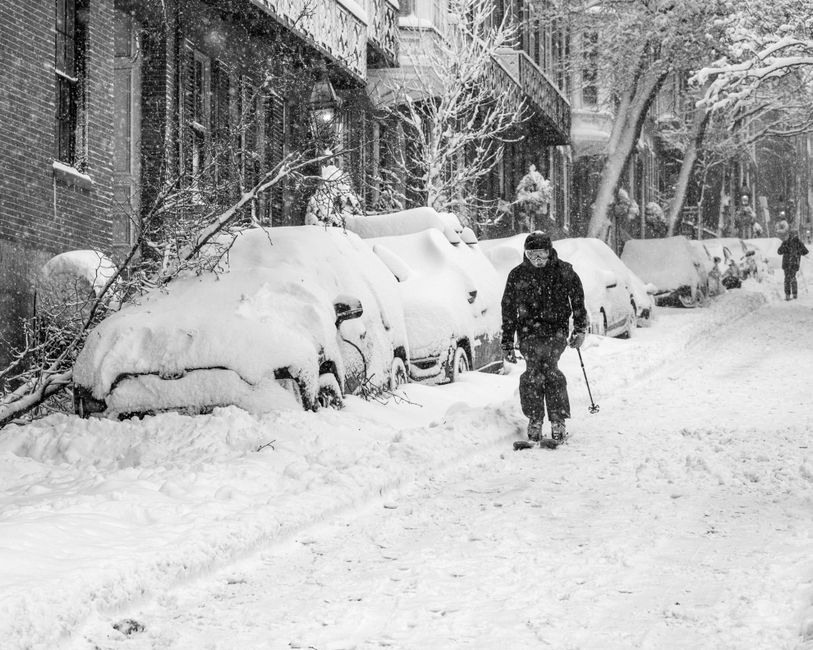
For a more versatile pick, the Sorel Caribou ($165) balances performance and wearability well. Its vulcanized rubber outsole handles mixed snow conditions impressively; on pure glare ice it’s adequate but not exceptional. Best for variable conditions, not environments where black ice is the dominant hazard.
The Salomon X Ultra Winter CS WP 2 ($185) uses Vibram Arctic Grip on a hiking platform with solid ankle support and a low heel drop. This is the pick for daily urban navigating — parking lots, transit platforms, unsalted sidewalks in a northern city. It looks like a trail shoe hybrid, which won’t suit everyone, but the ice performance at this price is the strongest available.
Budget option: the Kamik Nation Plus ($95–$110) delivers a -40°C-rated insulated shell and a molded rubber outsole that holds up respectably below -20°C. Not a Vibram Arctic Grip competitor, but genuinely solid for short urban commutes on maintained sidewalks.
Skip any boot marketed primarily on aesthetics with smooth or lightly textured leather soles. The Timberland 6-Inch Premium is the obvious example — iconic, legitimately warm, but built for terrain, not ice. Millions wear them in northern winters. Millions slip in them.
The One Physical Test Worth Doing in the Store
Press your thumbnail into the outsole with moderate pressure. Clear indentation that springs back slowly means the rubber stays flexible and grippy. If it barely marks and feels like pressing into floor tile, that is exactly how it will behave on ice.
Thirty seconds. More reliable than anything printed on the box.
When Ice Cleats Are the Better Purchase
Your Current Boots Are Otherwise Functional
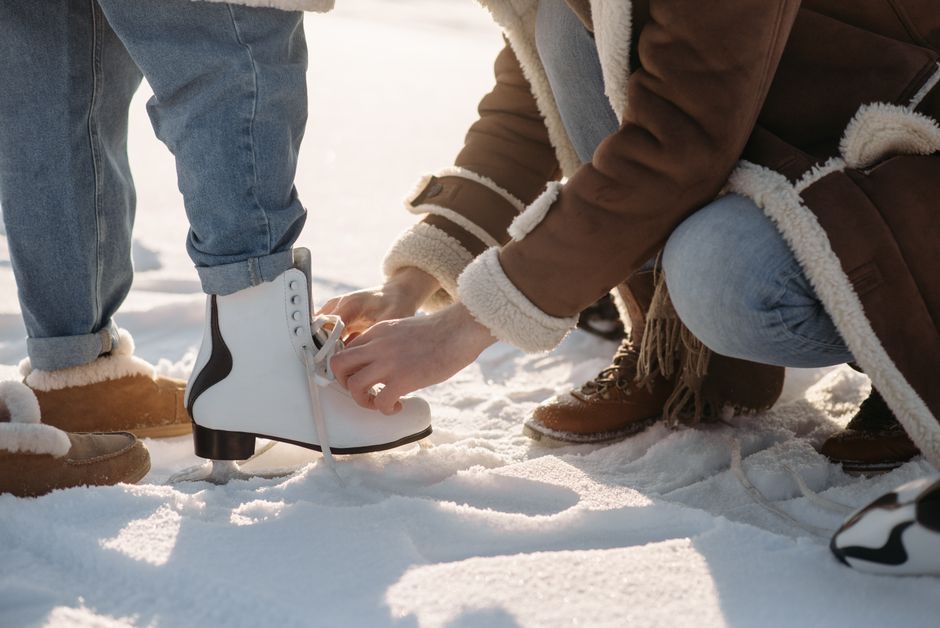
If you already own well-insulated, waterproof boots with a functional outsole, adding removable ice cleats delivers more ice grip than most boots’ native outsoles. Yaktrax Walk ($30) is the accessible entry point. Kahtoola NANOspikes ($60) are low-profile enough to wear through a building without looking like expedition gear. If traction is the only gap, cleats close it more efficiently than a new boot purchase.
Your Climate Is Primarily Ice, Not Deep Snow
Freezing rain regions — where ice storms dominate over heavy snowfall — favor cleats over boot upgrades. You’re solving a traction problem; cleats are a direct solution. A new boot purchase bundles insulation, waterproofing, comfort, and traction into one purchase. If the first three are already handled, you’re paying for features you don’t need.
When New Boots Actually Justify the Cost
Buy new when your current outsoles are cracked, compressed flat, or visibly degraded. Buy new when you’re regularly below -20°C and your insulation rating doesn’t reach it. Buy new when ankle support is genuinely absent. Otherwise, $30–$60 in cleats is the more rational spend.
How to Keep Ice Grip Through the Full Season
Road Salt Degrades Rubber Faster Than Cold
Salt residue dries out rubber compounds over a season, accelerating the hardening that causes slips. After walking on salted surfaces, wipe your soles — not just the uppers. A damp cloth takes thirty seconds and extends outsole performance meaningfully past the midpoint of winter.
Temperature Cycling Is Harder on Rubber Than Sustained Cold
Boots that drop to -25°C in an unheated garage overnight and warm up on a heated floor every morning undergo repeated expansion and contraction. That thermal cycling cracks rubber compounds faster than consistent cold storage would. Store winter boots in a stable, moderate-temperature space when not in active use.
When the Outsole Is Done, It’s Done
Smooth lugs, visible cracking, or a sole that barely flexes when you bend the boot — these mean the compound is gone. No waterproofing spray or conditioning treatment restores rubber flexibility once it’s degraded. That’s the point at which the $185 boot purchase makes real sense, not a treatment product. The parking lot that looked clear when you left the office hasn’t changed. The only variable is whether your boots are ready for it this time.