

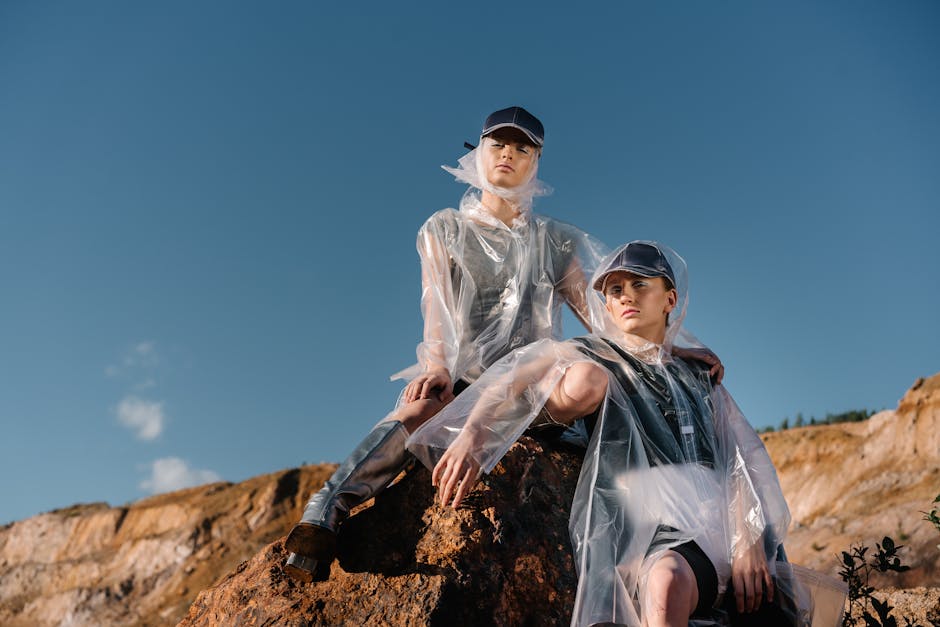
Forget the marketing fluff. A good raincoat isn’t just about keeping you dry; it’s about performance, durability, and sometimes, style. Most brands make big claims, but few deliver consistently. I’ve been through enough downpours to know the difference.
The Essential Waterproofing Technologies: GORE-TEX vs. Proprietary Blends
When it comes to staying dry, the membrane is everything. You’ll hear about GORE-TEX constantly, and for good reason. It’s the gold standard, but it’s not the only player, and its price reflects its reputation. Understanding the tech inside your jacket is crucial for making an informed decision, especially when comparing performance characteristics like breathability versus sheer waterproofness. A truly effective raincoat balances these. Anything less is just a glorified plastic bag.
GORE-TEX: The Industry Standard
GORE-TEX isn’t a fabric; it’s a membrane, a thin layer of expanded polytetrafluoroethylene (ePTFE) with billions of tiny pores. These pores are too small for liquid water droplets to pass through, but large enough for water vapor (sweat) to escape. This is the magic: waterproof and breathable. You’ll find different versions: GORE-TEX Paclite is lighter, more packable, often used in emergency shells. GORE-TEX Pro is the heavyweight, designed for extreme durability and breathability in harsh conditions. It’s the choice for mountaineers and serious outdoor enthusiasts who need their gear to withstand constant abuse. Expect to pay a premium for any jacket bearing the GORE-TEX Pro label; it signifies top-tier performance, usually with a 28,000mm hydrostatic head rating and excellent vapor transmission. Brands like Arc’teryx build their reputation on this technology.
Proprietary Systems: Cost-Effectiveness and Innovation
Many brands develop their own waterproofing technologies to compete with GORE-TEX, often at a lower price point. Patagonia has H2No Performance Standard, a multi-layer system that often includes a DWR (Durable Water Repellent) finish, a waterproof/breathable membrane, and a protective liner. Helly Hansen uses Helly Tech, which also comes in various performance levels (Protection, Performance, Professional). These systems are competitive. Fjällräven uses its own Eco-Shell, a fluorocarbon-free polyester, focusing on sustainability alongside performance. While some proprietary tech can rival GORE-TEX in specific aspects, like the 20,000mm waterproofing and decent breathability of Helly Tech Performance, they often have slightly lower breathability or durability ratings than top-tier GORE-TEX Pro. However, they offer excellent value for most urban and moderate outdoor use, providing reliable protection against significant rainfall without the top-shelf price tag.
Hydrostatic Head Ratings: What Numbers Mean
The hydrostatic head rating measures a fabric’s waterproofness. It’s expressed in millimeters (mm). A fabric with a 10,000mm rating can withstand a 10-meter column of water before it starts to leak. For reference, 5,000mm is generally considered waterproof enough for light rain. 10,000mm handles moderate rain and pressure (like sitting on a wet bench). For heavy, persistent rain, or activities involving significant pressure (backpack straps, kneeling), you want 20,000mm or higher. This is where high-end GORE-TEX and some proprietary systems excel. Don’t settle for less than 10,000mm if you expect to face anything more than a drizzle.
Top Brands for Serious Performance: No Compromises
If you’re outfitting for real weather, not just a walk to the coffee shop, there are clear leaders. These brands prioritize function over fleeting trends, delivering gear that performs when it absolutely has to. Don’t waste your money on anything less if you demand true protection.
Arc’teryx: The Apex of Outdoor Gear
Arc’teryx sets the bar. Their designs are minimalist, functional, and built for extreme conditions. They primarily use GORE-TEX Pro in their high-end shells. The Arc’teryx Beta AR Jacket, for instance, is legendary. It’s not cheap, often retailing around $600-$700, but it’s a shell you buy once and rely on for a decade. The fit is athletic, allowing for layers underneath without being baggy. Seam sealing is impeccable, zippers are water-resistant, and hood adjustments are precise. You pay for the engineering and the guarantee of staying bone dry through blizzards and torrential downpours. This isn’t just a jacket; it’s an investment in serious outdoor capability.
Patagonia: Sustainability Meets Function
Patagonia makes gear that lasts, and they back it up with a strong environmental ethos. Their H2No Performance Standard is serious tech. Jackets like the Patagonia Torrentshell 3L Jacket offer 3-layer protection at a more accessible price point (around $180-$200) than GORE-TEX Pro shells, while still delivering reliable waterproofness and decent breathability. They use recycled materials extensively, which is a bonus for those who care about their footprint. While the Torrentshell might not withstand the exact same abuse as a GORE-TEX Pro jacket, it’s an outstanding performer for most hiking, backpacking, and general wet-weather scenarios. Patagonia’s commitment to repairability also means their jackets have a longer active life, reducing waste.
Helly Hansen: Maritime Heritage, Modern Tech
Helly Hansen has been protecting sailors and outdoor professionals from the elements for well over a century. Their maritime heritage means they know how to build gear that stands up to constant wetness and wind. The Helly Hansen Seven J Jacket uses their Helly Tech Protection, offering reliable waterproof, windproof, and breathable qualities for around $120-$150. For more demanding conditions, their Helly Tech Professional series, often found in jackets like the Dubliner Parka or dedicated sailing gear, rivals GORE-TEX in performance. Their gear often features stronger DWR treatments and robust construction around cuffs and hems, critical areas for water ingress in prolonged exposure. Helly Hansen focuses on comfort and freedom of movement, making their jackets excellent for active use, whether on a boat or hiking a trail.
Style-First Raincoats: Wet Weather, Dry Look
Sometimes, staying dry means looking sharp, not like you’re about to summit Everest. These brands fuse practical waterproofing with deliberate design, making raincoats that fit seamlessly into an urban wardrobe. Form and function, without compromise on either front.
- Rains: Minimalist and Modern
Danish brand Rains redefined the modern raincoat. Their aesthetic is clean, minimalist, and very much Nordic. They use a proprietary polyurethane (PU) fabric that is completely waterproof, lightweight, and has a smooth, matte finish. The Rains Jacket or Long Jacket are iconic examples, typically costing between $120-$180. These aren’t built for extreme mountain expeditions, but they excel in urban downpours. The seams are ultrasonically welded, ensuring no water ingress. They are designed to be worn over everyday clothes, with a slightly oversized fit. Breathability isn’t their strongest suit compared to GORE-TEX, but for navigating city streets, they are unparalleled in their ability to keep you dry without looking like technical outdoor gear. They’re a fashion statement that happens to be highly functional.
- Stutterheim: The Swedish Artisans
If you want a raincoat with artisanal flair and rugged elegance, Stutterheim is your brand. Also Swedish, their raincoats are inspired by traditional fishermen’s coats. They are handmade in Europe from a heavy cotton-poly blend with a thick rubberized coating. The Stutterheim Stockholm Raincoat (around $300-$400) is their flagship. It’s truly waterproof, designed to handle the harshest Nordic weather. Each coat is individually checked by a seamstress before being released. Like Rains, breathability is secondary to absolute waterproofness and distinctive style. These are investment pieces, built for longevity and to make a statement. They have a certain gravitas you won’t find in lighter, more technical shells, perfect for a sophisticated, weather-resistant look.
- Barbour: Classic, Waxed, and Respected
Barbour offers a different kind of waterproof. Their waxed cotton jackets, like the legendary Barbour Bedale or Ashby (typically $300-$450), are not technically seam-sealed waterproof in the modern sense, but the densely woven, heavily waxed cotton provides exceptional water resistance. They are durable, age beautifully, and can be re-waxed annually to maintain their protection. These jackets offer a timeless, country aesthetic that works just as well in the city. They are warm, robust, and develop a unique patina over time. While they won’t feel like a lightweight, breathable shell, for a classic look and reliable protection from moderate rain and wind, a Barbour waxed jacket is unmatched. They are iconic for a reason and represent a heritage approach to wet-weather protection.
Mid-Range Value: Solid Protection Without Breaking the Bank

You don’t need to spend a fortune to stay dry. Several brands offer excellent performance, reliable construction, and smart features at a price point that makes sense for most people. These are the workhorses that deliver genuine value.
| Brand | Typical Price Range | Key Waterproofing Tech | Best For |
|---|---|---|---|
| L.L.Bean | $100 – $250 | TEK2.5, TEK3 | Dependable everyday use, light hiking |
| Columbia | $80 – $200 | Omni-Tech, OutDry Extreme | Active outdoor use, versatility |
| The North Face | $120 – $280 | DryVent, Futurelight | Urban exploration, moderate outdoor activities |
L.L.Bean: Dependable and Durable
L.L.Bean has a reputation for rugged dependability, and their rainwear lives up to it. The L.L.Bean Stormchaser 3-in-1 Jacket, for example, often comes in around $200-$250 and uses their proprietary TEK2.5 or TEK3 waterproof/breathable membranes. These jackets are built for practicality, featuring generous fits, ample pockets, and straightforward designs. They’re not the lightest or most fashion-forward, but they are incredibly reliable for general outdoor use, commuting, and light hiking. Their customer service and lifetime guarantee are also a significant advantage, ensuring your investment is protected. You won’t find cutting-edge tech, but you’ll find gear that simply works, year after year.
Columbia: Everyday Performance
Columbia is a powerhouse in accessible outdoor gear. They offer a wide range of rain jackets using their Omni-Tech membrane, which provides solid waterproof and breathable performance. The Columbia Watertight II Jacket, often available for under $100, is a perennial bestseller for a reason: it’s lightweight, packable, and effectively sheds rain. For higher performance, their OutDry Extreme technology, where the waterproof membrane is on the outside, offers superior long-term waterproofing without traditional DWR coatings. Jackets featuring OutDry Extreme (like the Columbia OutDry Extreme Jacket, around $150-$200) are truly impressive for their price, offering performance that rivals more expensive options. Columbia jackets are a solid choice for casual hikers, campers, and anyone needing dependable protection for everyday use.
The North Face: Widely Accessible Tech
The North Face bridges the gap between high-performance outdoor gear and everyday streetwear. Their DryVent technology is a multi-layer waterproof and breathable fabric that performs admirably in most conditions. The North Face Venture 2 Jacket is a popular choice, typically retailing for $120-$150. It’s lightweight, packable, and comes in various colors. For more advanced users, their Futurelight technology, while newer and more expensive (often above $300), offers exceptional breathability and waterproofness dueishing through an electrospinning process. While Futurelight is geared toward serious alpinists, the DryVent line offers excellent value for urban commuters, weekend adventurers, and those seeking a reliable, stylish rain jacket without committing to premium prices. The North Face has built a massive following by delivering consistent quality across a broad product range.
What to Ignore When Buying a Raincoat
Forget the hype around obscure brand collaborations or jackets that boast about their “sustainable” claims but offer no real performance data. Focus on the hydrostatic head rating and the membrane type. Anything else is usually secondary to staying dry and comfortable when the rain really starts coming down.
Lifespan and Care: Making Your Investment Last

A good raincoat is an investment. Treat it right, and it will keep you dry for years. Neglect it, and even the best GORE-TEX shell will fail. Proper care isn’t complicated, but it is essential for maintaining the integrity of the waterproofing and breathability.
How Do I Wash a Waterproof Jacket?
You absolutely should wash your waterproof jacket. Dirt, body oils, and residues from detergents can clog the membrane’s pores and compromise the DWR (Durable Water Repellent) finish. First, zip all zippers, close all flaps, and loosen all drawcords. Use a technical wash like Nikwax Tech Wash or Grangers Performance Wash; avoid regular detergents, as they can leave residues. Wash in cold or warm water on a gentle cycle. Double rinse to ensure all detergent is removed. Tumble dry on low heat, or air dry away from direct sunlight. The heat from a tumble dryer can actually help reactivate the DWR finish.
When Should I Reapply DWR?
The DWR finish is what makes water bead up and roll off your jacket’s surface. When water stops beading and starts to soak into the face fabric (this is called ‘wetting out’), it’s time to reapply DWR. This doesn’t mean your jacket is no longer waterproof – the internal membrane still is – but the wetted-out face fabric inhibits breathability. Use a spray-on product like Nikwax TX.Direct Spray-On or Grangers Performance Repel. Apply it evenly to a clean, damp jacket. Then, tumble dry on low heat to cure and activate the DWR. Do this every few months if you use the jacket frequently, or once a season for occasional wear.
What About Repairs?
Small tears or punctures are inevitable with active use. Don’t panic. For minor damage, a patch kit specifically designed for waterproof fabrics (like Tenacious Tape by Gear Aid) works wonders. Clean the area, apply the patch, and press firmly. For larger tears or seam issues, contact the manufacturer. Many high-end brands like Arc’teryx and Patagonia offer repair services, often at a reasonable cost or even free, extending the life of your jacket significantly. Don’t try to stitch it yourself; needle holes compromise the waterproof membrane. Professional repairs are always the best bet for maintaining integrity.