

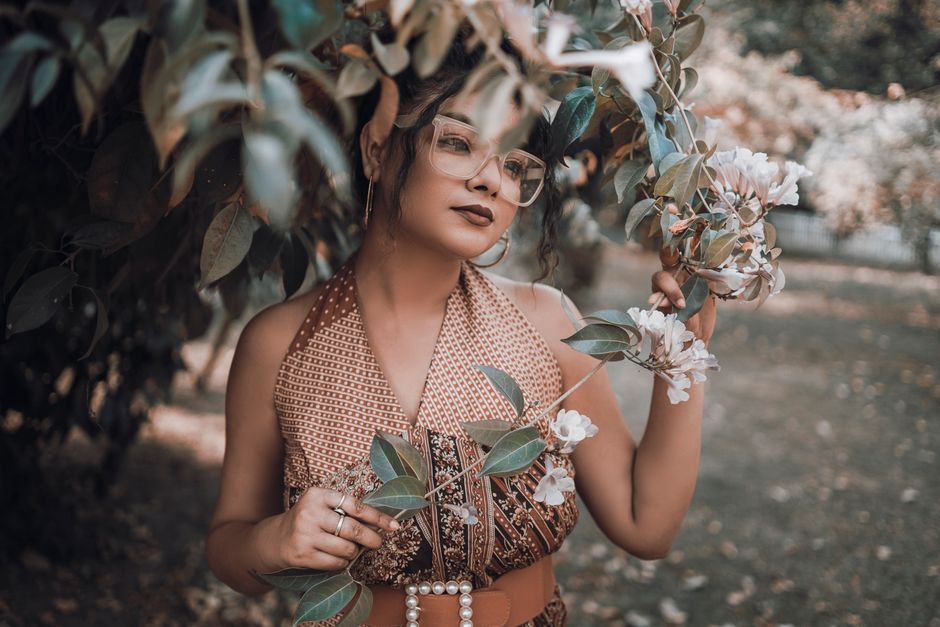
The common misconception is that mild spring weather requires jeans, a sweater, and sneakers. That formula works, but it is not the only practical choice. When temperatures sit between 55 and 70 degrees, skirts, dresses, linen trousers, and tailored shorts can look sharper while still giving you room to handle cool mornings and warm afternoons.
The strongest spring outfit ideas without jeans use three elements: a breathable base, one removable layer, and shoes suited to the ground you will actually walk on. The result feels polished without looking overplanned.
What to Wear in Mild Spring Weather Without Jeans
The 55-to-70-degree outfit rule
Mild weather is less about one perfect garment and more about managing temperature changes. A sleeveless dress may feel right at lunch but chilly on a shaded sidewalk. A heavy knit may work at 8 a.m. and feel uncomfortable by midafternoon. The safest approach is to start with a light base and add structure through a shirt, cardigan, blazer, or short trench.
Match the outfit to the temperature
| Temperature | Best base | Useful layer | Strongest shoe choice |
|---|---|---|---|
| 55-60°F | Midi dress or long skirt with a fine-knit top | Light trench or cropped jacket | Loafers, ankle boots, or closed-toe flats |
| 61-65°F | Linen trousers, cotton skirt, or knit dress | Cardigan or overshirt | Ballet flats, loafers, or clean sneakers |
| 66-70°F | Tailored shorts, slip skirt, or cotton sundress | Light shirt worn open | Mary Janes, sandals, or low-profile sneakers |
The clearest verdict is simple: for a full day outside, choose the 61-to-65-degree formula. It gives you enough coverage for the morning and enough flexibility for the afternoon. A thin layer also adds visual shape, which keeps relaxed pieces from looking like sleepwear.
How to Layer for Spring Temperature Swings
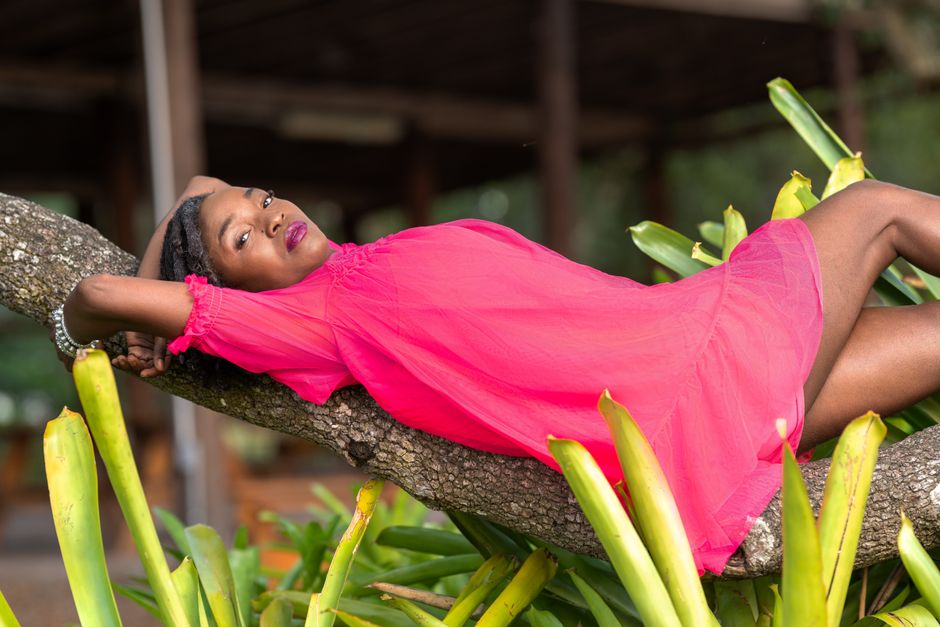
Build the base around one breathable fabric
Start with cotton, linen, lightweight wool, silk, or a blend that feels comfortable against the skin. Fabric weight matters more than the label. A dense cotton sweatshirt can feel warmer than a fine merino cardigan, while loosely woven linen can feel cool even in direct sun. For most mild spring days, a base around 150 to 220 grams per square meter gives enough coverage without creating bulk. You do not need to memorize fabric specifications when shopping, but you should hold the item up to light and check how tightly it is woven.
Fit controls comfort, too. A skirt with a little movement allows air to circulate. Trousers should sit smoothly at the waist but leave enough space to sit without pulling. For a dress, check the armhole and neckline first. If they feel tight in the fitting room, an added layer will make the problem more obvious.
Make the top layer removable
The most useful spring layer can be carried, tied around the shoulders, or worn open. A cropped cardigan works with a high-waisted skirt because it keeps the waist visible. A button-front shirt adds coverage without the visual weight of a blazer. A light trench protects against wind and drizzle, but it should not be so oversized that it hides the proportions of the outfit beneath it.
One common failure mode is layering fabrics that fight each other. A slippery satin skirt under a stiff, boxy jacket can shift and bunch. A loose linen trouser with a long, oversized shirt can erase the waist and make the outfit look unfinished. Pair one relaxed piece with one controlled piece: wide trousers with a fitted tank, or a loose dress with a structured jacket. That contrast creates balance without requiring bright colors or statement accessories.
Another mistake is dressing for the forecast instead of the schedule. If you will spend two hours indoors, select a light layer that can come off easily. If you will walk after sunset, closed-toe shoes and a longer outer layer are safer than bare ankles and thin sandals. The goal is not maximum coverage. It is useful coverage in the places that cool down first: shoulders, arms, and feet.
7 Spring Outfit Formulas to Copy Without Jeans
The seven looks
- Slip skirt, fitted tee, and cropped cardigan: Choose a midi slip skirt in olive, navy, or chocolate brown. Add a close-fitting cotton tee, a short cardigan, and loafers. The contrast between the fluid skirt and compact top makes this look polished for a casual office or lunch.
- Linen trousers, sleeveless knit, and ballet flats: Pick high-rise trousers with a straight or gently wide leg. Keep the knit tucked at the front and add a slim belt. This is the best choice for warm afternoons because linen breathes while the knit gives the outfit enough structure for errands or meetings.
- Midi dress, short trench, and clean sneakers: A cotton or poplin midi dress handles temperature changes better than a very thin summer dress. Add a waist-length trench or light jacket and low-profile sneakers. Keep the colors close together for a longer, cleaner line.
- Pleated skirt, boxy tee, and woven belt: A pleated midi skirt brings movement without looking formal. A boxy tee keeps it current, while a woven belt defines the waist. Add small hoop earrings and flat sandals once the pavement warms up.
- Tailored shorts, oversized blazer, and Mary Janes: Select shorts with a pressed crease and a hem that reaches at least mid-thigh. Wear them with a simple shell, relaxed blazer, and low Mary Janes. This combination works for mild weather because the blazer supplies coverage while the shorts prevent overheating.
- Knit polo, satin skirt, and loafers: A short-sleeved knit polo gives a satin skirt a daytime purpose. Choose a matte polo in cream, rust, or soft blue, then add loafers instead of heels. The outfit looks intentional without crossing into eveningwear.
- Utility jumpsuit, striped overshirt, and flat sandals: A lightweight cotton or Tencel jumpsuit replaces jeans as an easy one-piece base. Wear the overshirt open and roll the sleeves twice. Flat sandals keep the look relaxed, while a leather belt prevents the jumpsuit from hanging shapelessly.
How to make every formula look finished
Use one focal point and keep the rest quiet. If the skirt has shine, choose simple shoes. If the jacket has strong shoulders, keep the top plain. If the dress has a print, use neutral accessories. Spring outfits often look better with fewer competing details because the fabrics already bring texture.
Also check the hem before leaving home. Midi skirts should not end at the widest part of the calf unless the shoe has enough visual weight. Tailored shorts should not crease across the front. Trousers should skim the top of the shoe rather than puddle around it. Small fit corrections make a bigger difference than adding another accessory.
What to Buy for a Non-Jean Spring Wardrobe
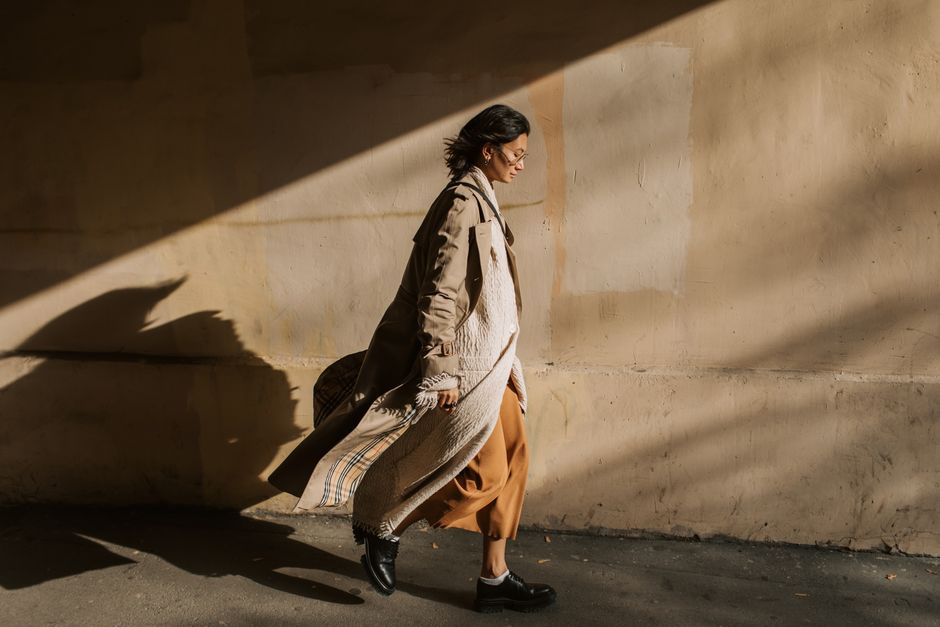
Which pieces give the most outfit options?
Buy the linen trouser first. It can replace jeans for work, travel, weekend lunches, and casual dinners. The Everlane Linen Easy Pant is listed at $98 before sale pricing and has the relaxed shape needed for warm afternoons. Its black color works with white shirts, striped knits, soft pastels, and flat shoes. For a lower-risk purchase, choose black, stone, or navy instead of a pale color that shows every mark.
The second useful purchase is a structured layer. The Madewell Scoopneck Cutaway Vest is listed at $98 and is made from 100% linen with a hip-length fit. It can be worn over a tee, under a blazer, or with matching trousers. The vest is a strong choice for readers who want tailoring without the heat of a full jacket.
Which top earns its place?
A crisp short-sleeved shirt earns more wear than a novelty blouse because it works with skirts, shorts, trousers, and dresses. The COS Curved-Collar Cotton-Poplin Shirt is listed at $99 at full price, with a regular fit, button closure, and machine-washable cotton-poplin construction. Its curved collar adds interest without forcing the rest of the outfit to become formal.
When should you skip a purchase?
Skip linen trousers that are transparent under normal daylight, cling at the hips, or require constant pressing to look presentable. Skip a cropped cardigan if it only works with one skirt. Skip tailored shorts if you cannot sit comfortably in them. A good spring purchase should create at least three outfits from clothes already in your closet. If it needs new shoes, a new bag, and a new top before it works, the cost is higher than the ticket price suggests.
Which Outfit Works Best for Each Spring Plan?
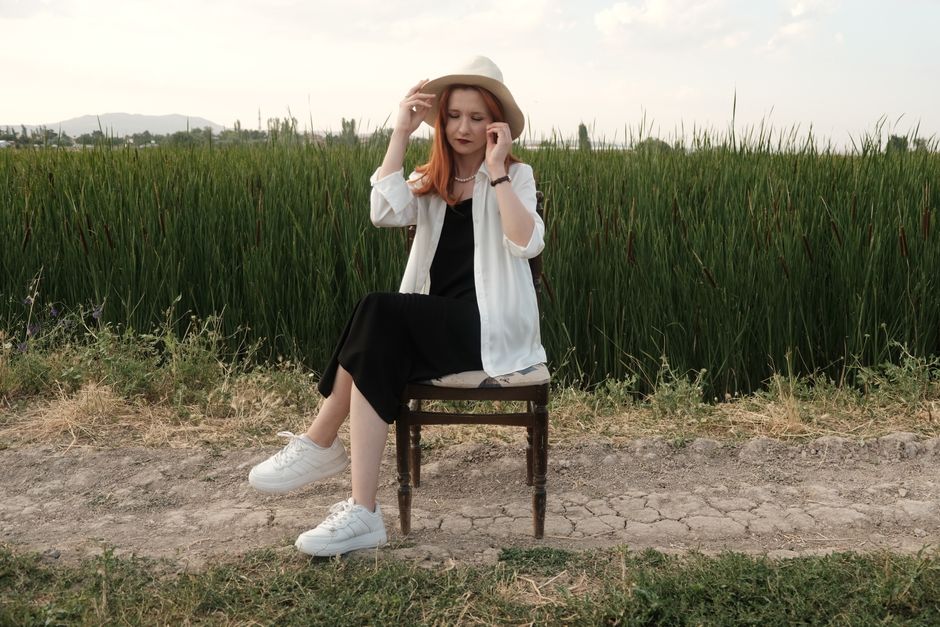
Quick verdicts by setting
For a long day of walking, the midi dress with sneakers wins because it gives you coverage and easy movement. For a casual office, choose linen trousers with a sleeveless knit and a removable cardigan. For a dinner that begins outdoors, the satin skirt and knit polo look more dressed than shorts while staying comfortable. For travel, the utility jumpsuit is the most efficient choice because it creates a complete outfit with one main piece.
For readers who dislike skirts, the linen trouser and utility jumpsuit are the best substitutes for jeans. For readers who want the most visual polish, choose the pleated skirt with a boxy tee and belt. For cooler spring mornings, the midi dress with a trench offers the clearest protection without resorting to heavy denim.
Final comparison
| Outfit | Best use | Weather range | Main tradeoff |
|---|---|---|---|
| Slip skirt and cardigan | Lunch or casual office | 58-66°F | Needs a layer after sunset |
| Linen trousers and sleeveless knit | Work and travel | 61-70°F | Linen wrinkles easily |
| Midi dress and trench | Walking and sightseeing | 55-68°F | Outer layer adds bulk when carried |
| Pleated skirt and tee | Weekend plans | 62-70°F | Hem length must suit the shoe |
| Tailored shorts and blazer | Warm office or dinner | 65-72°F | Too cool for early mornings |
| Knit polo and satin skirt | Casual dinner | 60-68°F | Satin can snag or cling |
| Utility jumpsuit and overshirt | Travel and errands | 60-72°F | Restroom access is less convenient |
This is not legal advice — consult a licensed attorney.