

Are you trying to find one handbag that works for the office, dinner, travel, weddings, and ordinary weekends? I have learned that the answer is not one magical shape or a trendy color. The best bag starts with the job it must perform, then earns its place through comfort, useful space, and a finish that suits the setting.
Start With the Occasion, Not the Trend
Name the job before choosing the shape
My first rule is simple: decide what the handbag needs to carry before you look at the color. A work bag may need a laptop, charger, water bottle, notebook, keys, and lunch. A wedding bag may need only a phone, cardholder, lipstick, and hotel key. Those are different jobs, so they should not share the same design.
For daily errands, I prefer a bag that keeps both hands free and closes securely. For a formal dinner, a compact shoulder bag or clutch looks more polished because it does not compete with the outfit. For commuting, a soft tote can work, but only when it has a strong handle attachment and a base that does not collapse into a heap.
Use the dress code as a filter
Match the bag’s visual weight to the event. Smooth leather, satin, metallic hardware, and a compact outline read as evening pieces. Canvas, nylon, soft leather, and large external pockets read as casual or practical. That does not make one group better; it tells you where each bag belongs.
I also check the hardware. Bright gold hardware can make a simple bag feel dressier, while matte black or brushed silver usually looks relaxed. A large logo may be fine with jeans and a simple coat, but it can look loud beside an embellished dress. The clear verdict is to buy for the three occasions you actually attend, not the fantasy lifestyle attached to a runway trend.
Measure Your Daily Carry Before Buying

Run a capacity test with your real essentials
The most common handbag mistake is judging capacity from an exterior photograph. A bag can look roomy and still reject a sunglasses case, wallet, or paperback because of a narrow opening or a curved base. I empty my current bag onto a table and separate the contents into must-haves, useful extras, and clutter. Only the first group should decide the new bag’s size.
| Occasion | Core items | Useful interior size | Best format |
|---|---|---|---|
| Wedding or formal dinner | Phone, cardholder, keys, lipstick | 6 to 8 inches wide | Clutch or compact shoulder bag |
| Daily errands | Phone, wallet, sunglasses, small water bottle | 8 to 11 inches wide | Crossbody or small shoulder bag |
| Office commute | Laptop, charger, notebook, bottle, wallet | 13 inches wide or larger | Structured tote or work bag |
| Travel day | Passport, phone, snacks, bottle, headphones | 10 to 14 inches wide | Secure crossbody or lightweight tote |
| Weekend outing | Phone, keys, cardholder, sunglasses | 7 to 10 inches wide | Small crossbody or sling |
Check the opening, not just the measurements
Write down the dimensions of the largest item you carry. Then compare it with the usable opening, not the widest point at the base. A structured bag with a 12-inch body may have only a 9-inch zip opening. That small detail decides if your tablet slides in easily or becomes a daily wrestling match.
The capacity test should also include weight. Fill the bag with your normal items and carry it for ten minutes. If the handle digs into your hand or the strap cuts into your shoulder, the bag is already failing its main job. Extra space never compensates for pain.
For Work, Structure Beats a Giant Tote
My office pick is a light bag with a firm base
My strongest work-bag opinion is this: do not buy the biggest tote you can find. Buy the lightest bag that holds your laptop and keeps its shape when you set it down. An oversized, unlined tote encourages you to carry everything, then becomes uncomfortable by lunchtime.
The Longchamp Le Pliage Original L is a practical example. The U.S. listing shows a $165 price, dimensions of 13 inches wide by 9.8 inches high by 7.1 inches deep, and a weight of about 0.53 pound. Its coated polyamide canvas makes it much lighter than a fully leather work tote, and the broad opening handles a notebook, light sweater, and lunch pouch. My verdict: it is the best choice for a flexible commute when you do not need a padded laptop compartment.
Choose compartments when your day is built around a laptop
If you carry a computer every day, a dedicated sleeve matters more than a fashionable silhouette. Look for padding on the bottom and sides, handles long enough to fit over a coat, and a zip or snap that closes above the laptop. A separate key clip also saves time when you arrive home tired and cannot find your keys at the bottom.
A large, soft tote makes sense only when you regularly carry bulky layers or gym clothes. Otherwise, it becomes a portable junk drawer. I would choose a medium structured work bag with one padded section over a huge open tote every time. The smaller bag keeps your routine visible, and visible contents are easier to control.
For Weddings and Dinner, Carry Less Than You Think

Use the small-bag rule
For formal events, I recommend a bag that holds four things: phone, cardholder, keys, and one lip product. That is enough. A large day bag makes an evening outfit look unfinished, even when the bag itself is attractive.
The Coach Tabby Shoulder Bag 26 is a clear example of the dressier middle ground. Coach lists the bag at £475 on its United Kingdom site, placing it above a casual crossbody but below many luxury evening bags. Its compact shoulder-bag profile works with a dress, tailored trousers, or dark denim. My verdict: choose it for dinners and events where you want a visible accessory that still leaves both hands mostly free.
Do not confuse decorative with useful
Chain handles, beads, satin, and glossy finishes look beautiful, but they can snag delicate fabric or become uncomfortable when the bag hangs from one shoulder for several hours. Test the chain against your sleeve before an event. If it catches on the fabric in the fitting room, it will catch on the dress at the worst possible moment.
A simple black, bronze, or deep burgundy evening bag usually gets more use than a novelty color. I would buy texture before sparkle: quilted leather, satin, or a subtle metallic finish can make a basic outfit feel intentional without forcing you to coordinate around a loud logo.
For Travel and Long Days, Comfort Wins
Use this five-step travel check
- Put the bag on your body and adjust the strap so it sits close to your hip, not at your knee.
- Confirm that the main compartment closes with a zipper or secure flap.
- Check for at least one interior pocket for a passport, cards, or medication.
- Fill it with your actual travel kit, including a bottle, portable charger, sunglasses, and a small snack.
- Walk for fifteen minutes and pay attention to shoulder pressure, strap slipping, and access speed.
Travel exposes weak design quickly. A bag that feels fine in a shop can become miserable after a train station, security line, and six hours of sightseeing. Weight distribution matters more than the label. A wide, adjustable strap spreads pressure better than a thin decorative chain, and a close-fitting crossbody is harder to bump or leave behind.
My hands-free pick for casual travel
The Baggu Medium Nylon Crescent Bag costs $56 on the current U.S. listing and measures 8 inches high by 13.75 inches wide by 4 inches deep. It has a 47-inch adjustable strap, recycled heavyweight nylon, a ripstop lining, two interior pockets, and a machine-washable design. My verdict: it is the best choice for casual city travel when you want easy access, low weight, and enough room for a 32-ounce bottle.
For a laptop-heavy travel day, the Baggu Large Nylon Crescent Bag is the more useful option. It costs $66 and measures 12.5 inches high by 19.5 inches wide by 5.25 inches deep, with a 41-inch adjustable strap. I would not choose it for a formal outfit, but it wins for airports, road trips, and long days when a smaller bag becomes restrictive.
Material and Hardware Decide How Long It Lasts
Choose the material for your actual weather and routine
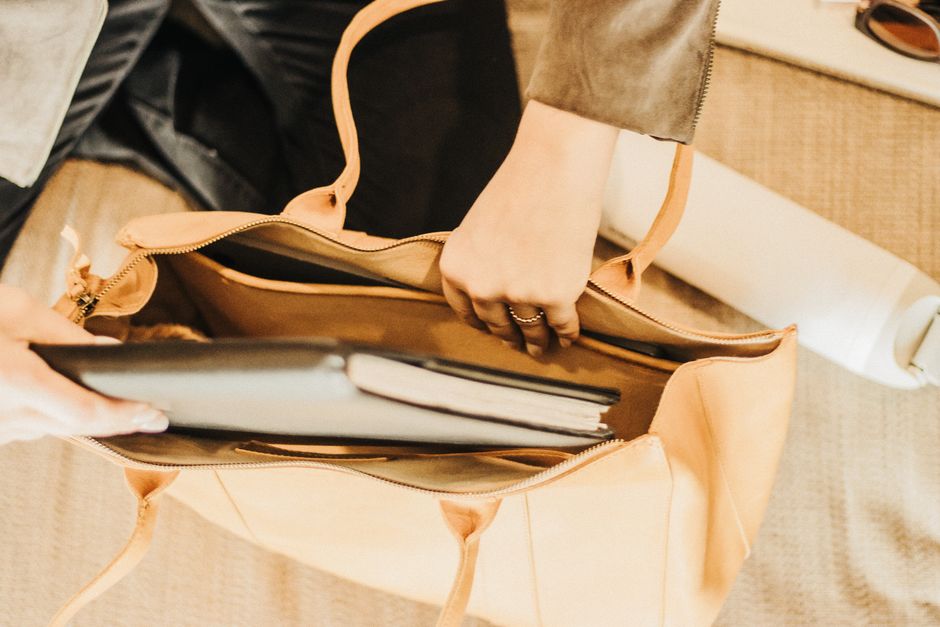
Leather ages well when you are willing to clean and condition it, but it can be heavy and vulnerable to rain, dye transfer, and scratches. Coated canvas handles light rain better and often weighs less, but the coating can crack at repeated fold points. Nylon is usually the easiest choice for travel because it is light, flexible, and forgiving around spills.
My practical ranking is leather for polished daily use, coated canvas for a flexible work-and-weekend bag, and nylon for travel or bad weather. Do not buy leather because it sounds luxurious if you already know you will leave the bag on a café floor or carry it in heavy rain. The material should match your habits, not your aspirational self.
Inspect the parts that take the strain
Look closely at handle stitching, strap anchors, zipper teeth, edge paint, and the base corners. Four lines of reinforced stitching at a handle attachment tell me more than a shiny logo. The bag should sit upright when empty, and the zipper should move without catching at the corners.
Care also changes the value of a bag. Store it stuffed with clean paper, keep dark denim away from pale leather, and avoid hanging a heavy bag from one narrow hook for weeks. Hardware quality is not just about color; it is about whether the clasp still closes after hundreds of uses. If a bag has weak anchors or a flimsy base, do not buy it at any price.
Which Handbag Should You Buy First?
What is the best first handbag for most wardrobes?
Buy a medium crossbody in black, dark brown, or another color you already wear twice a week. It should fit your phone, wallet, keys, sunglasses, and a small cosmetic pouch without bulging. This gives you a useful everyday base before you spend money on a work tote or evening bag.
For a budget-friendly casual option, the Baggu Medium Nylon Crescent is my pick because its 47-inch adjustable strap and washable recycled nylon handle real life well. For a lighter office tote, the Longchamp Le Pliage Original L is the stronger choice because its 0.53-pound weight leaves more room for the items inside. For a polished dinner bag, the Coach Tabby Shoulder Bag 26 wins when you want a recognizable shape and a dressier finish.
When should you not buy the bag you like?
Do not buy it if the strap cannot be adjusted, the opening is smaller than your daily essentials, or the empty bag already feels heavy. Skip pale untreated leather if you wear dark denim every day. Skip a tiny evening bag if you are attending an event where you need medication, reading glasses, or a larger phone. A beautiful bag that forces you to carry a second bag is not a smart purchase.
I also avoid buying a handbag only because it is on sale. A discount does not fix poor weight distribution, weak stitching, or a shape that does not fit your clothes. Before paying, name three occasions for the bag and list the exact items it will carry. If you cannot do both, put it back.
The single most important rule is to choose the handbag that fits your real routine, because the right size, strap, and material will serve you longer than any passing trend.