


You leave home at 8 a.m. in a polished outfit, walk across the train platform, spend six hours standing, and still have errands after work. By dinner, your feet feel hot, your heels ache, and the stylish shoes you picked in the morning have become the worst part of your day. That is the problem a good walking shoe should solve.
On Cloud and Hoka approach that problem in different ways. On makes lighter, sleeker shoes that fit easily into a casual wardrobe. Hoka builds more substantial cushioning and rocker-shaped soles for people who want to reduce the pounding of long walks. The right choice comes down to how your foot moves, how much support you need, and how much shoe you want under your outfit.
Why walking shoes reduce foot fatigue
Cushioning is only one part of comfort
A walking shoe does more than add soft foam under your feet. It spreads pressure across a wider area, keeps your heel from sliding, bends at the right point, and helps your body move forward without constant muscular effort. A thin, flexible sneaker may feel comfortable for the first 20 minutes but leave your arches and calves working hard after several hours.
Comfort also depends on the difference in height between the heel and the forefoot. A higher heel-to-toe drop can feel familiar to people who land heavily on their heels. A lower drop may feel more natural to someone who lands closer to the middle of the foot, but it can make the calves work harder during the adjustment period.
Stable does not mean stiff
Stability comes from the whole platform, not just a hard arch piece. A broad outsole, secure heel counter, and firm sidewalls can stop the foot from wobbling while still allowing a normal stride. That matters on concrete, where every small instability repeats thousands of times during a long day.
All-day comfort also requires room for the foot to spread. Feet often swell slightly by late afternoon, so a shoe that feels perfect first thing in the morning may become too tight by 5 p.m. The best walking shoe leaves roughly a thumb’s width between the longest toe and the front of the shoe, with no pressure across the widest part of the foot.
On Cloud vs. Hoka: the useful model-by-model comparison
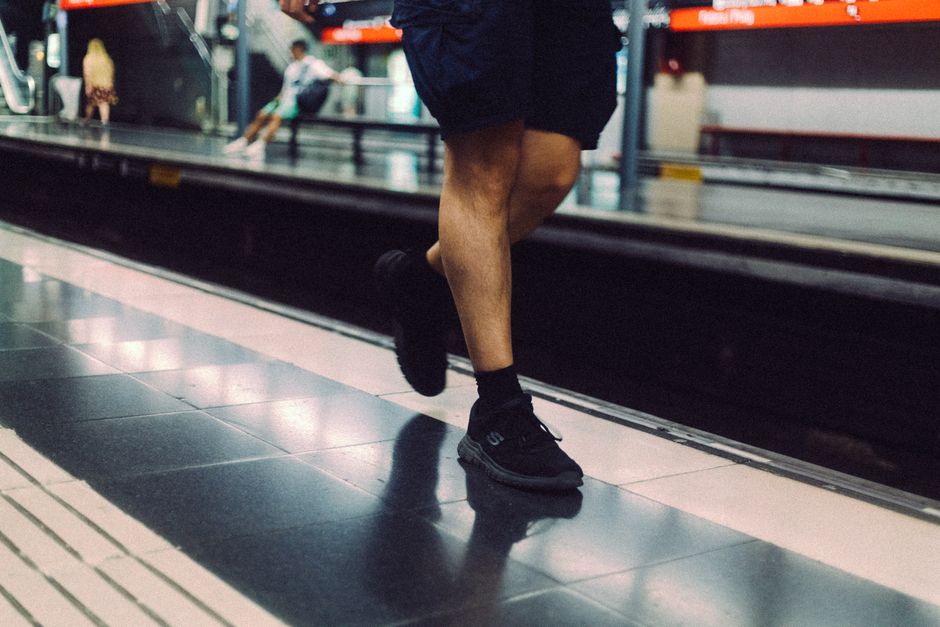
Comparing logos alone will lead you to the wrong shoe. Compare the models that match your actual routine. The prices below use common U.S. list prices; seasonal discounts and regional prices can change.
| Model | List price | Key specs | Best use | Verdict |
|---|---|---|---|---|
| On Cloud 5 | $150 | 203 g, 7 mm drop, CloudTec cushioning | Commuting, casual outfits, light walking | Best-looking everyday option |
| On Cloudrunner 2 | $160 | Supportive CloudTec platform, cushioned ride | Long workdays and moderate support | Best On choice for more structure |
| Hoka Clifton 10 | $155 | 249 g, 8 mm drop, 42 mm heel stack | Daily walking and travel | Best balance of weight and cushioning |
| Hoka Bondi 9 | $175 | About 298 g, 5 mm drop, 43 mm heel stack | Concrete floors and maximum cushioning | Best for tired heels |
| Hoka Gaviota 6 | $180 | Stability-focused platform, wide options | Long standing and support needs | Best for a more guided stride |
Choose On Cloud for a sharper wardrobe
The On Cloud 5 wins when your shoes need to work with straight-leg jeans, wide trousers, leggings, and a simple commuter dress. At 203 grams per women’s shoe, it feels noticeably lighter than the heavily cushioned Hoka models. Its 7 mm drop and compact profile also make it easier to wear indoors, on public transit, and at a casual office.
The tradeoff is clear: the Cloud 5 does not provide the same deep underfoot protection as the Bondi 9. The small CloudTec elements can also feel firm or uneven to people who prefer one continuous slab of soft foam. My pick for the On side is the Cloudrunner 2 if your day includes more than 10,000 steps or several hours on hard floors.
Choose Hoka for mileage and impact control
Hoka wins when the main problem is repeated impact. The Clifton 10 is the strongest all-rounder because it combines a 42 mm heel stack with a 249.48-gram women’s weight and an 8 mm drop. It gives you more protection than the Cloud 5 without feeling as bulky as the Bondi 9.
The Hoka Bondi 9 is the better choice for very long walks, concrete retail floors, or heels that become sore before the rest of the body. Its heavier build can look oversized with delicate clothing, so it works best with relaxed denim, wide-leg trousers, or sporty layers. For most fashion readers, the Clifton 10 is the smarter Hoka purchase.
How to fit walking shoes in 10 minutes
Fit matters more than the brand name. Use this quick process in the afternoon, when your feet have reached their largest normal size, and wear the socks you plan to use with the shoes.
The five checks that catch most problems
- Stand in both shoes and check the toe gap. Leave about 10 to 15 millimeters in front of the longest toe.
- Walk down a hallway and stop suddenly. Your toes should not hit the front, and your heel should not lift more than a few millimeters.
- Flex the shoe at the ball of your foot. The bend should sit under the toes, not in the middle of the arch.
- Press across the upper with your thumb. The material should hold the foot without creating a hot spot over the little toe or big-toe joint.
- Walk for at least five minutes. A shoe that feels tight now will feel worse after hours of swelling.
Read the warning signs before buying
Numb toes, tingling, heel slip, and pressure along the arch are not signs that a shoe needs a long break-in period. They usually signal the wrong size, shape, or width. Do not solve a short shoe by sizing up so far that the heel slides. Try a wide version instead, or choose a model with a roomier toe box.
Also check the sole from above. A very narrow platform can make a cushioned shoe feel unstable, while a broad platform usually gives a calmer stride. The shoe should feel secure when you turn, not only when you walk in a straight line.
The most common walking-shoe mistakes

My strongest advice: do not buy the softest shoe you can find just because your feet hurt. Excess foam cannot correct a poor fit, and a tall sole can feel awkward if you already struggle with balance. Comfort starts with length, width, heel security, and a shape that matches your stride.
Mistakes that create pain
- Buying by street-shoe size instead of measuring both feet.
- Testing shoes only on carpet, where the sole feels softer than it will on pavement.
- Ignoring width because the color or silhouette looks better.
- Wearing brand-new shoes for a full travel day before checking for rubbing.
- Choosing a running shoe for a job that requires slip resistance or a polished uniform shoe.
When not to choose a highly cushioned shoe
Skip a very tall, soft shoe if you need close contact with the ground, spend most of the day on uneven trails, or feel unstable in platform footwear. A lower-profile walking sneaker may give you better control. You should also avoid treating a shoe as medical treatment. Persistent heel pain, swelling, numbness, or one-sided pain deserves an evaluation from a qualified clinician.
Replace walking shoes when the outsole wears unevenly, the midsole feels permanently compressed, or your usual route starts leaving you sore again. Many people focus on the calendar, but visible wear and changing comfort tell you more than an arbitrary replacement date.
Which pair should you buy for all-day comfort?
Is On Cloud better for walking than Hoka?
For a light, wardrobe-friendly shoe that handles commuting and normal errands, choose the On Cloud 5. For an On shoe that handles longer days, choose the Cloudrunner 2. On wins on weight, visual simplicity, and easy styling, but it does not deliver the deepest cushioning.
Is Hoka better for standing all day?
For standing on hard floors, choose the Hoka Bondi 9. For walking, travel, and daily wear, choose the Hoka Clifton 10. The Clifton 10 is my overall winner because its 249-gram weight, 8 mm drop, and high heel stack give you meaningful cushioning without the full bulk of the Bondi 9.
What is the final On Cloud vs. Hoka verdict?
Buy the Hoka Clifton 10 if your priority is all-day walking comfort and impact protection. Buy the On Cloud 5 only if a lighter, slimmer shoe matters more than maximum cushioning. The Clifton 10 is the better one-pair solution for travel, commuting, shopping, and long days on your feet; the On Cloud 5 is the better style-first choice for shorter walks and casual outfits.