
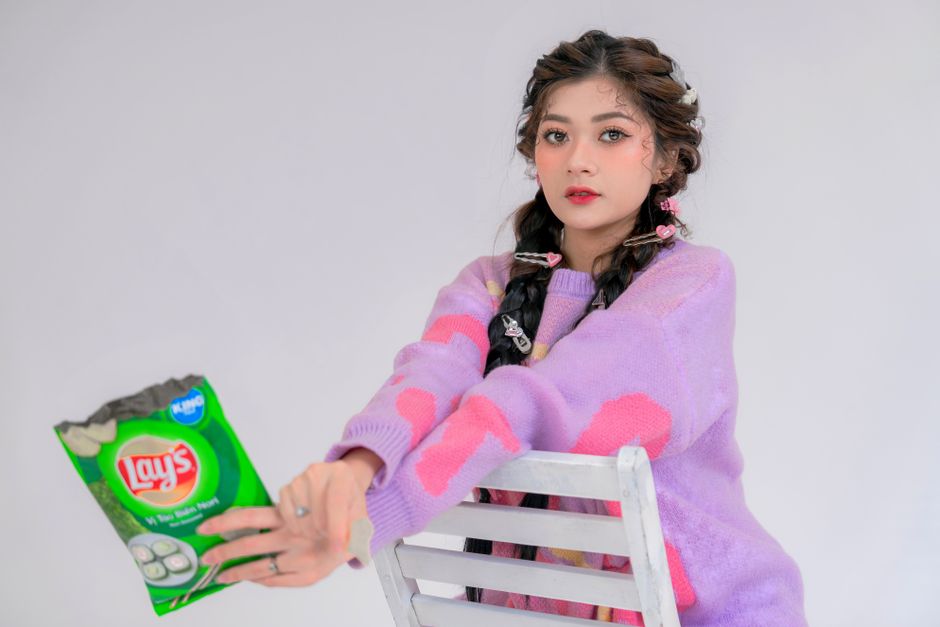
The problem usually appears on a cold weekday morning. Your drawer is full, but nothing feels right. One sweater pills under the arms, another is too short for high-waisted trousers, and the oversized one makes every outfit look careless. You keep buying new knits because the old ones do not solve the actual problem: your closet lacks a useful mix of weights, necklines, lengths, and levels of polish.
After years of buying, wearing, washing, and regretting knitwear, I have stopped treating sweaters as seasonal decorations. A good sweater has a job. It creates a clean base for a skirt, adds warmth under a coat, replaces a blazer at work, or gives jeans enough shape to look intentional. The best wardrobe needs ten distinct knit roles, not ten versions of the same oversized pullover.
The list below focuses on versatility, fabric behavior, fit, and cost. The named products are examples, not affiliate recommendations, and prices can change by color, season, and retailer.
Why Your Sweater Drawer Keeps Failing
Most sweater problems start with duplication. Many women own several soft crewnecks in similar neutral colors, then discover they have no lightweight layer for spring, no polished cardigan for work, and no substantial knit that can replace a jacket. The category exists to solve a layering problem: clothing must keep you warm without making the rest of the outfit bulky, shapeless, or visually flat.
The wrong weight creates the wrong outfit
Fine-gauge merino and cotton knits sit close to the body. They work under a trench coat, tucked into a pencil skirt, or layered over a collared shirt. Chunkier wool and cable knits need room. They look best with straight-leg jeans, fluid trousers, or a slim midi skirt. If you buy only thick sweaters, your wardrobe becomes difficult to layer. If you buy only thin sweaters, you stay cold and keep reaching for a coat indoors.
Fit matters more than softness
A sweater can feel luxurious on the rack and still fail in daily wear. Check the shoulder seam first. A shoulder that drops too far can make a lightweight knit look tired, while a narrow shoulder pulls across the upper arm and causes the hem to ride up. For a versatile crewneck, I prefer a hem that ends around the high hip and sleeves that reach the wrist bone. Cropped styles should finish near the natural waist, not several inches above it unless the entire outfit is designed around that proportion.
Fabric decides how often you will wear it
Merino regulates temperature and usually resists odor better than many synthetic blends. Cotton feels easy and handles frequent washing, but it can stretch and hold moisture. Cashmere is light and warm, yet it needs careful washing and will pill if the fibers rub against rough bags or coat straps. Alpaca feels warm and fuzzy but can shed. Acrylic costs less, though it often traps heat and develops shiny friction patches. My rule is simple: buy the best fabric you can maintain, not the softest fabric you can touch for thirty seconds.
A useful closet therefore needs contrast. The ten styles below cover different temperatures, proportions, and levels of formality.
The Five Knit Shapes That Do the Heavy Lifting
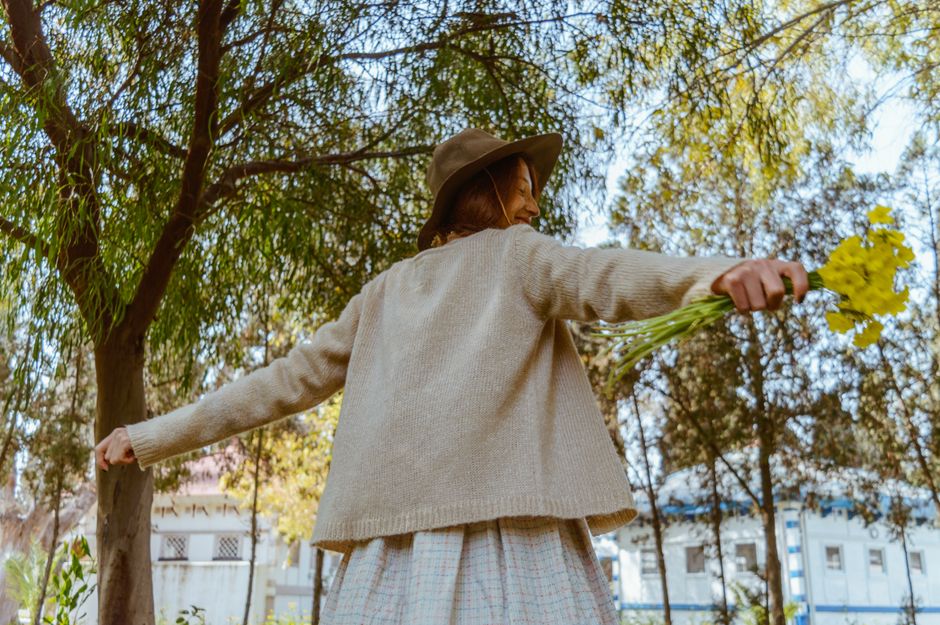
Before choosing colors or labels, build around shape. These five silhouettes solve most outfit gaps and create a reliable base for the ten-sweater wardrobe.
- The fine-gauge crewneck is the daily foundation. Choose merino, cotton, or a washable blend in navy, charcoal, ivory, or black. It should fit close enough to layer but not cling around the stomach. This is the sweater that works with tailored trousers, denim, slip skirts, and under a wool coat.
- The relaxed crewneck gives you comfort without becoming a blanket. Look for a shoulder that is slightly dropped, a firm ribbed hem, and enough length to cover the waistband. Avoid extreme volume unless you balance it with a narrow bottom half. A relaxed knit should make an outfit look easier, not hide the entire outfit.
- The cardigan is the most useful shape for changing temperatures. A short cardigan works with dresses and high-rise pants; a longer cardigan creates a soft column over a tank and straight trousers. The best version has buttons that lie flat and a neckline that can be worn open or closed. Thin, loose buttons and weak buttonholes are early signs of poor construction.
- The turtleneck replaces a blouse, scarf, and sometimes a jacket. A slim turtleneck belongs under dresses, blazers, and sleeveless tops. A thick roll-neck needs space around the neck and shoulders. If you dislike tight collars, choose a mock neck instead. It gives the same vertical line without the trapped feeling.
- The textured statement knit supplies visual interest when the rest of your outfit is plain. Cable, fisherman, ribbed, boucle, and striped knits all fill this role. Keep the color controlled if the texture is strong. A cream cable sweater is easier to wear than a cable sweater covered in several competing colors.
These silhouettes work because they divide labor. One handles layering, one handles comfort, one handles temperature changes, one adds polish, and one gives the outfit personality. Buying a second sweater in the same shape before filling another role is how a closet becomes crowded but still inconvenient.
Ten Sweaters Worth Owning in 2026
The table is a buying map, not a demand to purchase ten new items. Some women already own half of these styles. Start by identifying the missing role, then compare fabric and fit before chasing a sale.
| Wardrobe role | Style to look for | Real example | Typical price | Best use |
|---|---|---|---|---|
| 1. Fine-gauge crewneck | Extra-fine merino, regular fit | Uniqlo Extra Fine Merino Crew Neck Sweater | About $50 | Layering under coats and blazers |
| 2. Classic cashmere crewneck | Two-ply cashmere, hip length | J.Crew Cashmere Classic-Fit Crewneck | About $198 | Polished everyday outfits |
| 3. Cotton fisherman knit | Dense cotton, ribbed trim | L.L.Bean Cotton Fisherman Sweater | About $100 | Jeans, chinos, and mild weather |
| 4. Slim turtleneck | Fine merino or rayon blend | COS Merino Wool Turtleneck | About $125 | Under dresses and tailoring |
| 5. Relaxed cardigan | Midweight knit, useful buttons | Madewell Cotton-Blend Cardigan | About $118 | Office layers and weekend dressing |
| 6. V-neck sweater | Moderate V, not a deep plunge | Everlane Organic Cotton V-Neck Sweater | About $78 | Over shirts and collared blouses |
| 7. Polo-collar knit | Flat collar, fine or medium gauge | Lauren Ralph Lauren Cable-Knit Polo Sweater | About $150 | Replacing a blouse with trousers |
| 8. Chunky cable knit | Wool or wool blend, firm structure | Aran Sweater Market Aran Wool Crewneck | About $120 | Cold days and simple denim outfits |
| 9. Cropped knit | Waist-length, controlled volume | & Other Stories Alpaca-Blend Cropped Sweater | About $179 | High-rise pants and long skirts |
| 10. Striped Breton knit | Boat neck or crewneck, cotton knit | Saint James Minquiers 18 | About $145 | Adding pattern to a neutral closet |
The first three buys should cover three temperatures
If you are starting from nothing, buy the fine-gauge crewneck, the cardigan, and the chunky or fisherman knit first. That gives you an indoor layer, a flexible layer for temperature swings, and a warm outer layer. Add cashmere after you know the fit you wear most. Cashmere is not automatically the smartest first purchase if your wardrobe still lacks a washable workhorse.
Choose color after choosing the role
For the first five sweaters, I would use two neutrals, one soft light shade, one dark color, and one pattern. Navy, charcoal, oatmeal, black, cream, and traditional navy-and-white stripes all earn repeat wears. Bright red or saturated green can be excellent later, but a strong color should fill a real styling gap rather than duplicate a neutral you already own.
My clear winner for value is the Uniqlo Extra Fine Merino Crew Neck because it layers neatly and costs far less than cashmere. For a single elevated sweater, I would choose the J.Crew Cashmere Classic-Fit Crewneck. For texture and durability in casual outfits, the L.L.Bean Cotton Fisherman Sweater is the stronger pick than a fuzzy novelty knit.
How Do You Buy a Sweater That Will Actually Fit?
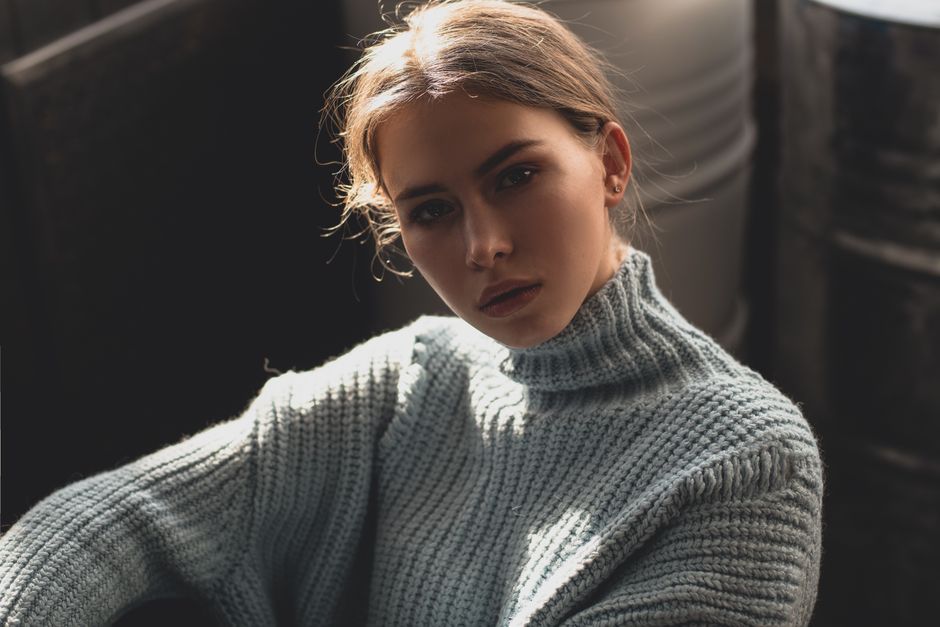
Use the questions below in the fitting room. They catch most expensive mistakes before the receipt is printed.
Should the shoulder seam sit exactly on the shoulder?
For a fitted or fine-gauge sweater, yes. The seam should land close to the edge of your shoulder. For a relaxed sweater, it may drop slightly, but the sleeve should still have a clear endpoint at the wrist. If the seam falls halfway down your upper arm and the fabric is thin, the knit often looks stretched rather than deliberately oversized.
How much room should you leave for layering?
Try the sweater over the exact shirt you expect to wear underneath. You need enough space to bend your elbows, but not so much that the shirt collar disappears or the underlayer bunches at the waist. Measure the chest of a sweater you already love and compare it with the product chart. Letter sizes are unreliable across brands. A 40-inch chest in one label can fit like a 44-inch chest in another.
When should you reject a soft sweater?
Reject it if the ribbing curls, the neckline loses its shape when you pull it gently, or the side seams twist. Run a clean hand over the surface and inspect the underarm area for loose loops. A little fuzz is normal in cashmere and alpaca. Thin bald patches, uneven knitting, or a strong chemical smell are not signs of quality. Also reject a sweater that only works with one pair of pants. The point of an essential is repeat use.
Is natural fiber always the better choice?
No. A small amount of nylon can strengthen a wool blend, and elastane can help a fitted knit recover after wear. The better test is whether the fiber mix matches the job. Cotton is excellent for frequent casual wear, merino is excellent for layering, and cashmere is excellent for light warmth with a polished finish. Do not pay a premium for a natural-fiber label if the cut is wrong or the care routine guarantees that you will leave the sweater in the drawer.
Wash knitwear according to the care label, but hand-wash or use a gentle cold cycle when possible. Lay sweaters flat to dry. Never hang a heavy knit from the shoulders; gravity will stretch it and leave bumps that are hard to remove.
My Buying Order—and the Sweaters I Would Skip
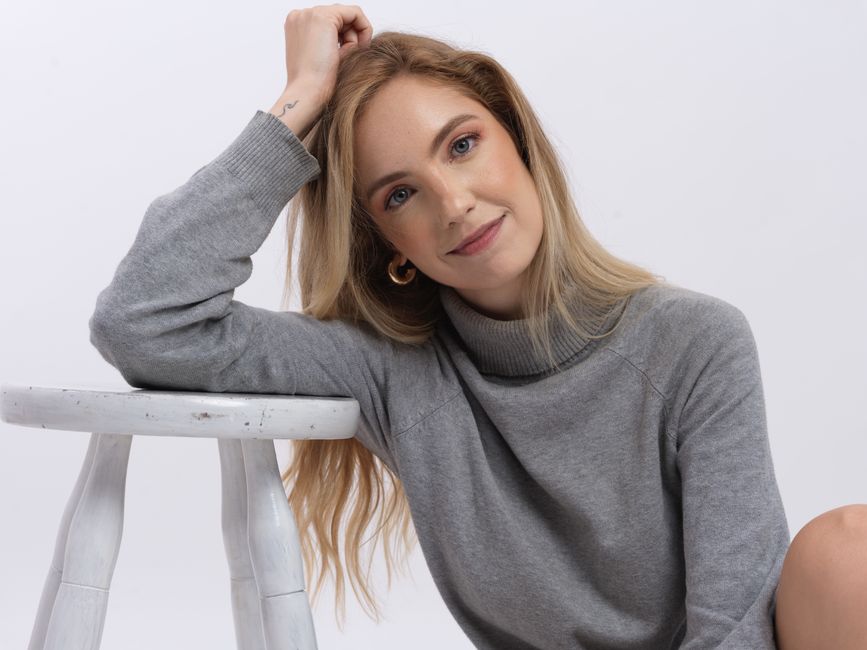
My opinion is firm: buy useful shapes before luxury fibers. A $50 merino crewneck that works under three jackets will earn more wears than a beautiful cashmere pullover that clashes with your coat and pills after two outings.
I would build the closet in this order:
- Start with one fine-gauge crewneck in navy, charcoal, or black.
- Add a cardigan in a lighter neutral such as oatmeal or ivory.
- Buy a medium-weight fisherman or cable knit for genuinely cold days.
- Add a slim turtleneck if you wear dresses, blazers, or sleeveless tops.
- Choose cashmere, a polo collar, a cropped shape, and a Breton stripe only after those gaps are covered.
I would skip the giant acrylic sweater with a very low armhole, even if the color is perfect. It usually pills quickly, traps heat, and makes coats fit badly. I would also skip a cropped sweater if your wardrobe has no high-rise trousers or skirts to support it. That is not a failure of your body; it is a proportion problem between two garments.
Do not buy the ten styles in one shopping trip. Wear your current sweaters for two weeks and write down what you reach for, what you layer, and what you avoid. Then replace the weakest role first. For most women, the smartest first purchase is a fine merino crewneck, not another oversized novelty knit.