


The most ethical garment in your wardrobe is often the least exciting one: the piece you already own. A useful ethical wardrobe starts with fewer purchases, longer wear, and better questions about labor, materials, repair, and disposal.
What makes a fashion wardrobe ethical?
An ethical wardrobe is not a closet filled only with organic cotton or expensive labels. It is a system that reduces unnecessary buying while giving more weight to worker treatment, material impact, durability, and the real life of each garment after purchase.
Ethical is broader than sustainable
Sustainable usually describes environmental effects such as water use, chemical processing, carbon emissions, and waste. Ethical adds the human side: safe workplaces, fair pay, reasonable hours, and traceable production. A recycled polyester jacket can still raise labor questions. A handmade wool sweater can have a weak animal-welfare record. No single label settles every issue.
Start by separating claims. Ask what the brand has measured, which facility made the item, and whether the claim covers the whole garment or only one fiber. A shirt described as organic may contain a small organic-cotton panel while the rest uses conventional materials.
Use wear, not shopping volume, as the scorecard
The strongest beginner metric is cost per wear, even when the purchase price is not financial. A $30 top worn twice creates a weaker wardrobe than a $90 top worn 40 times. Check the fabric weight, seam finish, care instructions, and fit before buying. A garment that needs dry cleaning, special storage, or constant ironing may fail in your daily routine.
The clear verdict: build around clothes you will wear repeatedly, repair when possible, and pass on responsibly. A perfect claim cannot rescue a garment that stays on a hanger.
How to audit the clothes you already own
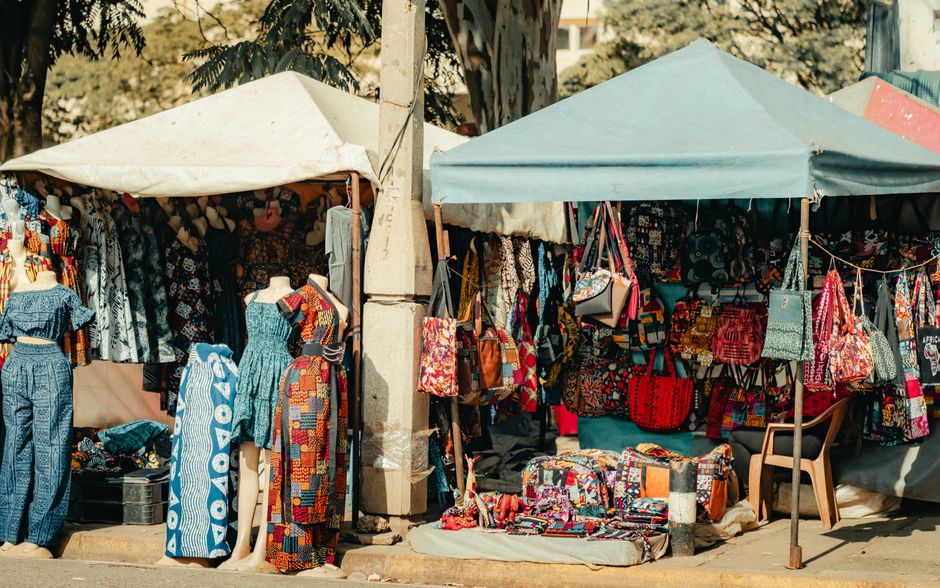
Do not begin by making a shopping list. Begin by finding out what your wardrobe already does well and where it breaks down.
- Empty the closet. Put every garment in one visible area, including coats, shoes, occasionwear, and items in laundry baskets.
- Group by function. Separate workwear, casual clothes, exercise pieces, formal items, outerwear, and accessories.
- Mark actual favorites. Choose pieces worn at least twice in the last month or garments you reach for in several seasons.
- Find duplicates. Five nearly identical black tops may signal a fit problem rather than a supply problem.
- Record failures. Note pilling, broken zippers, awkward necklines, fabric that wrinkles too fast, or shoes that cause pain.
- Check missing links. Look for practical gaps, such as one washable layer that works under several jackets.
- Create a no-buy repair pile. Schedule simple fixes before replacing anything. A missing button and a loose hem rarely justify a new purchase.
Keep a short wardrobe log for four weeks. Write down what you wear, what you avoid, and what you wish you had while getting dressed. This produces better evidence than a mood board. It also exposes the difference between a fantasy lifestyle and your real week.
Donate only what you have genuinely decided to release. Sending unwanted clothes into a donation bin does not guarantee reuse; badly damaged or low-value items may become waste. Repair, swap, resell, or use textile recycling where a credible local service exists.
What belongs in a first ethical capsule?
A beginner capsule should solve your most common dressing problems, not imitate a fixed list of beige basics. The examples below show how to judge a garment by material, construction, repair access, and repeat-use potential.
| Wardrobe role | Real example | Specific detail to check | Verdict |
|---|---|---|---|
| Warm layer | Patagonia Better Sweater | 100% recycled polyester fleece; many versions carry Fair Trade Certified sewing | Strong choice for a washable everyday layer if the fit suits your routine |
| Everyday jeans | Nudie Jeans Lean Dean | Five-pocket slim-tapered design; brand repair services are available in many markets | Best for buyers who will use the repair loop instead of replacing worn denim |
| Leather sneaker | Veja Campo | Leather upper and rubber outsole; materials can differ by colorway | Buy only after checking the exact model page and confirming the shoe fits your walking needs |
| Simple dress | Eileen Fisher Renew | Look for the Renew resale or take-back system and the exact fiber content of each piece | A sensible route for buyers who value resale and long-term brand support |
| Base layer | People Tree organic-cotton jersey | Check the garment’s current certification and fiber breakdown rather than relying on the brand name | Useful when the cut works with your existing trousers, skirts, and layers |
These names are examples, not a shopping mandate. The best first purchase is the item that fills a documented gap and matches at least three outfits you already own. Choose one warm layer, one reliable bottom, one washable top, and one shoe before expanding.
Skip a capsule formula that forces you into clothes you dislike. Ethical style still needs color, comfort, and personality, or the wardrobe will fail through boredom.
Which fabrics deserve a place in the wardrobe?
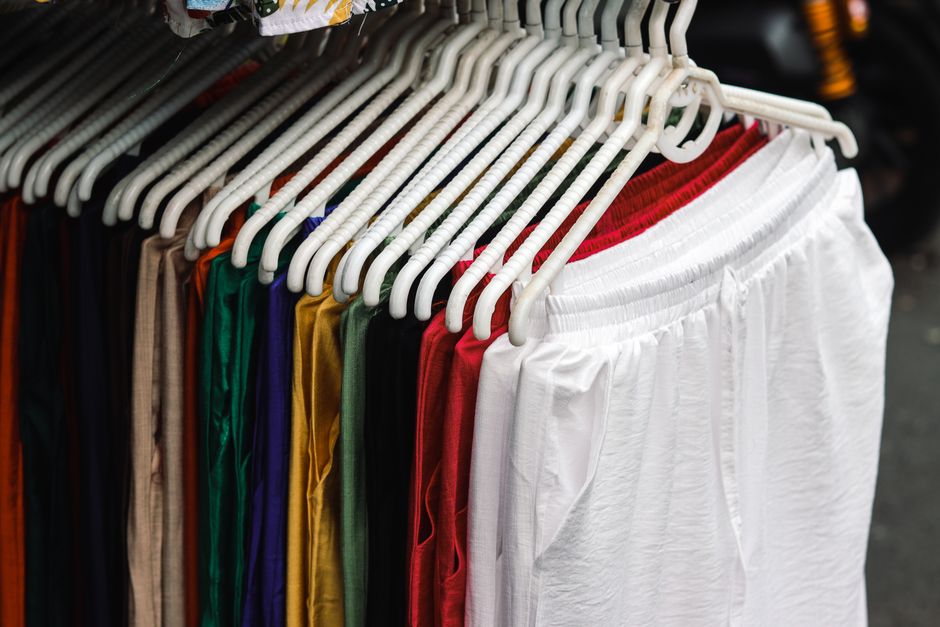
Fabric choice matters, but fiber labels are not moral rankings. The same material can perform well or poorly depending on farming, dyeing, finishing, transport, garment life, and end-of-use options.
Choose the fiber for the job
For hot-weather shirts, linen and lightweight cotton can offer comfort and easy washing. For hard-wearing trousers, dense cotton, hemp blends, or recycled fibers may last longer than a delicate fabric. For knitwear, wool can provide warmth with fewer washes, while recycled wool reduces demand for new fiber. The right question is not which fiber sounds cleanest. Ask which fabric will survive your actual use.
| Fiber | Useful strength | Common weakness | Buying check |
|---|---|---|---|
| Linen | Breathable and often durable | Wrinkles and can feel stiff at first | Inspect seam density and wash instructions |
| Organic cotton | Lower pesticide use under the relevant standard | Still uses land and water; quality varies | Look for the full certification, not just organic wording |
| Recycled polyester | Can divert existing plastic from waste streams | Sheds microfibers and may be difficult to recycle again | Prefer durable outer layers and wash with care |
| Wool | Warm, odor-resistant, and often repairable | Animal-welfare and shrinkage concerns | Check origin, treatment, and care requirements |
| Viscose | Soft drape and light summer feel | Wood-pulp sourcing and chemical controls vary | Look for a named responsible forestry or processing standard |
The strongest fabric decision is one that extends wear. Buy a washable garment when you dislike dry cleaning, avoid fragile knits if you work outdoors, and choose lining and hardware that can be repaired. Care instructions are part of the environmental cost.
When secondhand beats buying new
My strongest recommendation is to buy secondhand first for coats, denim, leather bags, and occasionwear. These categories often have useful existing stock, and older garments can reveal how well a fabric ages. Secondhand also lets a beginner test a style without creating demand for another production run.
Where resale works best
Look for dense seams, intact linings, functioning zippers, and clear fiber labels. Inspect underarms, cuffs, collars, pocket corners, and the inside of the waistband. For shoes, check sole wear and heel stability. For bags, test hardware and shoulder straps. Ask for measurements instead of trusting the listed size, since sizing shifts between brands and decades.
Secondhand is not automatically low impact. Shipping several failed purchases back and forth, buying items you never wear, or choosing pieces that need expensive restoration can erase the benefit. Set a return rule and a repair budget before paying.
When new is the better option
Buy new when you need underwear, protective workwear, a safety-critical shoe, or a precise fit that secondhand cannot provide. A new item also makes sense when the brand offers a credible repair service, replacement parts, or a take-back system. Patagonia’s Better Sweater, Nudie Jeans’ repair network, and Eileen Fisher Renew each show different forms of longer product support, but availability and terms vary by country.
Do not buy a new item solely because a brand uses the word ethical. For most categories, proven durability and high use beat a polished campaign.
How can you verify an ethical fashion claim?

Fashion claims become useful when you treat them like evidence. A logo without a scope, standard, or current certificate is only a prompt for more questions.
What does a certification actually cover?
Ask whether the standard covers the fiber, the processing stage, factory labor, the finished garment, or only a small component. GOTS, for example, addresses certified organic fibers and processing requirements, while labor standards can differ across the supply chain. Read the scope instead of assuming one certification covers everything.
Can a brand show its factories?
A supplier list is stronger than a vague statement about responsible production. Look for factory names or locations, audit methods, grievance channels, worker-safety information, and a clear update date. A map alone does not prove fair pay, but no production information makes scrutiny harder.
What should a beginner do with greenwashing?
Translate broad words into measurable questions: How much of the garment is certified? What is the fiber percentage? Can the brand repair it? Where can it be returned? If the answer stays vague, lower your trust and lower your price ceiling. The cleanest decision is often to wear what you own.
Which mistakes make ethical wardrobes expensive?
Ethical shopping becomes costly when the buyer pays for a story instead of solving a wardrobe problem. The fix is a stricter decision rule.
Five mistakes to avoid
- Buying a full capsule at once before testing the colors, fits, and laundry demands in your real life.
- Assuming a high price proves fair wages, strong construction, or low environmental impact.
- Choosing a recycled or organic fiber without checking seam quality, opacity, shrinkage, and repair options.
- Replacing a damaged garment when a local tailor can fix the hem, zipper, button, or lining.
- Keeping aspirational clothes that make you feel guilty but never get worn.
The best 2026 wardrobe is not the one with the most responsible labels. It is the one with a clear audit trail: why each piece entered, how often it gets worn, how it is cared for, and what happens when it no longer works.
For a practical first step, repair one favorite item, buy no replacement for 30 days, and track the clothes you actually use. That evidence will tell you what belongs in the next version of your wardrobe.