
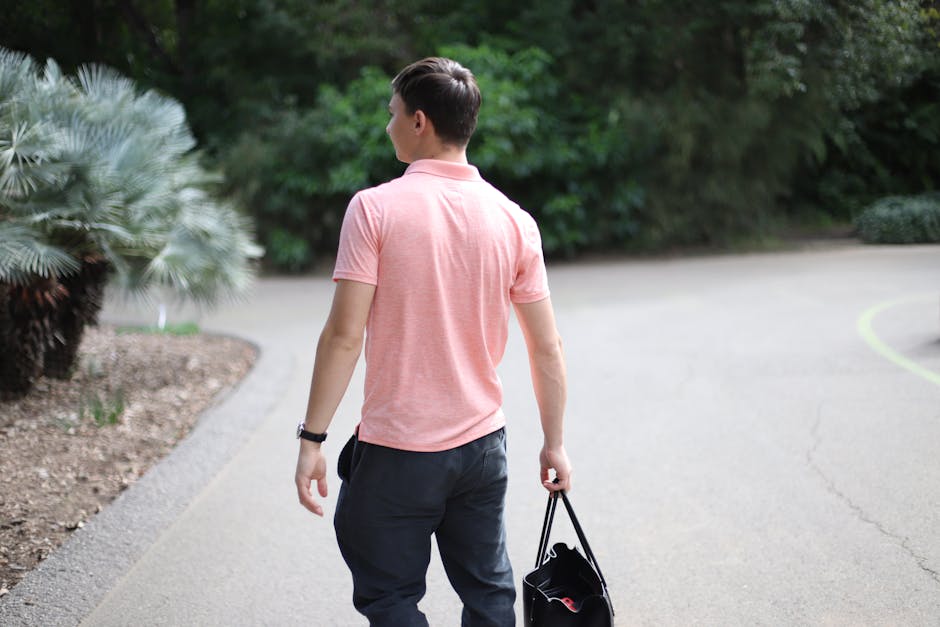
Looking for a solid polo shirt that won’t break the bank? I get it. I’ve spent years sifting through racks, trying on countless polos, and making my fair share of regrettable purchases. I’ve been burned by flimsy collars and stretched-out cuffs more times than I care to admit. But after all that, I’ve narrowed down the field. I’ve found the real winners, the ones that actually hold up, look sharp, and feel great, all while staying under that crucial $100 mark.
This isn’t about finding the cheapest thing out there. It’s about finding true value. It’s about spotting the difference between a polo that looks decent for two washes and one that becomes a reliable staple in your wardrobe for years. So, forget the generic advice. Here’s what I’ve actually learned and what I recommend you buy—and definitely skip—in 2026.
Why Even Bother with Polos Under $100?
Honestly, why pay more if you don’t have to? For years, I chased the dream of a designer polo, thinking that triple-digit price tag meant superior quality. Most times, I was wrong. The reality is, many brands have figured out how to make excellent polos that are durable, stylish, and comfortable without charging a premium. The key is knowing what to look for, which I’ll get into. My closet is full of polos that cost less than $75, and they outlasted some of the $150+ options I used to buy.
It’s about being smart with your money. Polos are workhorses. They’re versatile. You can wear them with shorts, chinos, under a blazer. You need several. If you’re paying $150 a pop, you’re going to limit your options. Keep it under $100, and you can build a solid collection with different colors and fabrics for various occasions without feeling guilty.
The Myth of "Expensive is Better"
I used to believe this, and it cost me. I bought into the hype of specific luxury brands, only to find their collars wilted, their colors faded, and their fabric lost its shape just as quickly as polos half their price. The truth is, manufacturing has become so efficient that many of the same factories produce for both high-end and more accessible brands. The difference often comes down to marketing and a tiny design detail, not inherent quality. Sure, a genuine Lacoste polo is iconic, but is it three times better than a well-made Everlane? In my experience, no. Not for everyday wear. You’re paying for the alligator, not necessarily superior stitching or fabric.
Defining "Good Enough" Value
For me, "good enough" isn’t a compromise; it’s the sweet spot of value. It means a polo that retains its shape after dozens of washes, keeps its color, and doesn’t get that annoying collar curl. It means sturdy buttons, well-finished seams, and a fabric that breathes. It doesn’t need to be made from rare Peruvian alpaca wool, and it doesn’t need to have hand-stitched buttonholes. It just needs to do its job exceptionally well for its price. Think of it this way: a $60 polo that lasts three years is better value than a $120 polo that lasts two. My goal is always that optimal price-to-longevity ratio.
The Fabric Trap: Why You’re Buying the Wrong Polo
This is where most people mess up. They pick a polo based on color or brand, ignoring the fabric. And fabric is everything. It dictates comfort, how it drapes, how it breathes, and how long it lasts. You can get a cheap cotton polo that’s scratchy and rough, or a budget-friendly one that feels luxurious. The devil is in the details of the weave and fiber.
I’ve learned to feel the fabric first. If it feels thin, stiff, or overly synthetic in a bad way, put it back. You want something with a bit of heft but still soft. For summer, breathability is key. For a slightly dressier look, a mercerized cotton can make a huge difference in sheen and feel.
Pique vs. Jersey: Know Your Weave
-
Pique: This is the classic polo fabric. It has a textured, honeycomb-like weave that makes it breathable and durable. It holds its shape well and gives a slightly more structured look. It’s what you typically think of when you picture a polo. My personal preference leans heavily towards pique for its classic feel and ability to hide wrinkles. Brands like Uniqlo excel at affordable pique.
-
Jersey: This is a smoother, t-shirt-like fabric. It drapes more fluidly and feels softer against the skin. While comfortable, jersey polos can sometimes look a bit too casual or feel less substantial. They also tend to show wrinkles more easily. I usually skip jersey polos unless it’s a specific blend designed for performance or a very casual lounge look. If you go jersey, make sure it’s a heavier weight cotton or a high-quality blend to avoid it looking like a flimsy tee.
Performance Blends: Not All Are Created Equal
Ah, the world of performance polos. These are usually synthetic blends, often polyester with some spandex. They’re designed for moisture-wicking, stretch, and wrinkle resistance. Great for golf, travel, or hot climates. But here’s the catch: many cheap performance polos feel plasticky, cling to your body, and can smell bad after a single wear. Don’t buy those.
Good performance polos, however, feel soft, have a natural drape, and don’t look overly shiny. Brands like Everlane have cracked the code on making these feel fantastic. Look for blends with a higher percentage of natural fibers (like cotton) mixed with synthetics, or really high-quality micro-polyesters that mimic cotton’s feel. If it feels like cheap activewear, it is. Avoid it unless you’re literally only wearing it on the golf course and don’t care about how it looks off the green.
Sizing and Fit: My Golden Rules for Polos
You can buy the most expensive polo in the world, but if it doesn’t fit right, it looks cheap. Fit is non-negotiable. It transforms a basic shirt into something that looks intentional and sharp. I’ve learned these rules the hard way, after countless ill-fitting purchases. These aren’t suggestions; these are commandments.
-
Shoulder Seams: These should sit directly on top of your shoulder bone. If they’re sliding down your arm, it’s too big. If they’re pulling up towards your neck, it’s too small. This is the single most important fit indicator.
-
Sleeve Length & Opening: The sleeve should hit about mid-bicep. Not at your elbow, not halfway up your shoulder. It should gently hug your arm, not be baggy like a t-shirt sleeve, and not constrict it. The opening shouldn’t be so wide that you could fit another arm in there. You want a clean line.
-
Torso Taper: A good polo will have a slight taper in the body. It shouldn’t be boxy like a giant rectangle. It should follow the natural lines of your torso without being tight. You should be able to pinch about 1-2 inches of fabric on either side of your waist.
-
Hem Length: This is crucial. If you’re wearing it untucked, the hem should end around the middle of your fly, or just below your belt. It shouldn’t cover your entire butt. If you’re tucking it in, make sure there’s enough length to stay tucked without constantly pulling out. Most quality polos come with a slightly longer back hem (tennis tail) which is perfectly fine for untucked wear.
Shoulder Seams Matter Most
Seriously, nail the shoulder seam. Everything else can be slightly off and you can still look decent, but if the shoulders are wrong, the whole shirt looks sloppy. I always start here when trying on a polo. If the shoulders are good, then I move on to the rest of the fit. If not, I don’t even bother with the next size. It’s that critical.
The Ideal Sleeve & Hem Length
I find that a sleeve that hits just above the halfway point of your bicep is perfect. It shows off a bit of arm without being too short, and it looks sharp. For the hem, untucked, aim for the middle of your fly. It keeps your proportions right. A too-long polo can make your legs look shorter, and nobody wants that. Many brands now offer "slim fit" or "modern fit" options, which usually means a better taper and slightly shorter length. These are often my go-to choices.
Skip the Mall Brands: My Absolute Favorite Polo Shirts (2026)
Let’s get straight to it: don’t waste your time or money on the flimsy, poorly constructed polos you often find in fast fashion stores. They might be cheap, but they’re a false economy. Instead, focus on brands that consistently deliver quality under $100. I’ve worn these extensively, and they’ve earned their spot in my rotation.
My top picks balance fabric quality, fit, and durability. I’m not just talking about what looks good off the hanger; I’m talking about what still looks good after a year of wear and dozens of washes. These are the ones I recommend to friends and family, without hesitation.
Uniqlo Dry Pique Polo: The Unbeatable Daily Driver
This is my undisputed champion for an everyday, reliable polo. The Uniqlo Dry Pique Short-Sleeve Polo Shirt (typically $29.90, often on sale for $19.90-$24.90) is simply fantastic for the price. The "Dry" technology means it wicks moisture, making it great for warmer days or if you tend to sweat a bit. The pique weave is substantial, not flimsy. The collar holds its shape remarkably well—a huge win at this price point. I have several in different colors, and they’ve been through countless washes without losing their fit or fading significantly. The fit is a modern classic, not too slim, not too boxy. It’s the definition of value.
Everlane Performance Polo: My Go-To for Active Days
If you want something a bit more modern, with performance features that actually work without looking like gym wear, the Everlane Performance Polo ($58) is stellar. It’s a blend of recycled polyester and elastane, but it feels incredibly soft and drapes beautifully. It has a slight stretch, which makes it super comfortable for movement, and it resists wrinkles like a champ. I wear this when I’m traveling or know I’ll be more active but still need to look presentable. The fit is clean and contemporary, a bit slimmer than the Uniqlo, making it easy to dress up or down. I’ve been really impressed with how well it holds up to repeated wear and washes, maintaining its shape and color.
J.Crew Garment-Dyed Slub Cotton Polo: The Casual Comfort King
For a more relaxed, lived-in feel, the J.Crew Garment-Dyed Slub Cotton Polo (regularly $69.50, but almost always available for 30-40% off, bringing it down to $40-$50) is excellent. The slub cotton gives it a nice texture, and the garment-dyed process means it has a soft, slightly faded look from day one. It’s incredibly comfortable and perfectly suited for weekend wear or a casual office environment. The fit is a bit looser than Everlane but still tailored enough to look put-together. The collar is substantial enough to avoid the dreaded curl. I grab this one when I want something effortlessly cool and comfortable, especially when I snag it on sale.
A Head-to-Head: My Picks Under $75 vs. Under $100
Sometimes you need to pinch pennies, other times you have a little more room to play. Here’s how my top recommendations stack up across different price points, giving you a clear picture of where to spend your money for the best bang for your buck.
Value Champions Under $50
If your budget is tight, the Uniqlo Dry Pique is the clear winner. It consistently outperforms polos that cost twice as much. You get a solid, breathable, classic polo that handles everyday wear with ease. I always recommend stocking up on these in core colors like navy, white, and black when they go on sale. You won’t regret it.
Stepping Up: The $50-$100 Sweet Spot
When you move into the $50-$100 range, you start seeing more refined fabrics, better construction details, and often more specialized fits or performance features. This is where Everlane and J.Crew shine. The Everlane Performance Polo offers modern tech with a great feel, while the J.Crew Slub Cotton provides unparalleled casual comfort and style. These aren’t just incremental upgrades; they offer distinct advantages in feel, drape, and specific use cases. If you can stretch your budget a bit, these are worth the extra investment for their specific strengths.
| Polo Shirt | Price Range (2026) | Key Feature | Best For | Fabric Type |
|---|---|---|---|---|
| Uniqlo Dry Pique | $19.90 – $29.90 | Excellent value, moisture-wicking | Everyday wear, hot weather, casual | Cotton Pique (Dry tech) |
| J.Crew Garment-Dyed Slub Cotton | $40 – $70 (on sale) | Soft, lived-in feel, great texture | Casual weekends, relaxed style | Slub Cotton Jersey |
| Everlane Performance Polo | $58 | Stretch, wrinkle-resistant, modern fit | Travel, active wear, smart casual | Recycled Poly/Elastane Blend |
| Bonobos Jetsetter Polo | $99 | Premium feel, excellent collar, tailored fit | Dressier occasions, business casual | Pima Cotton Blend |
When to Splurge, When to Save: The Final Word
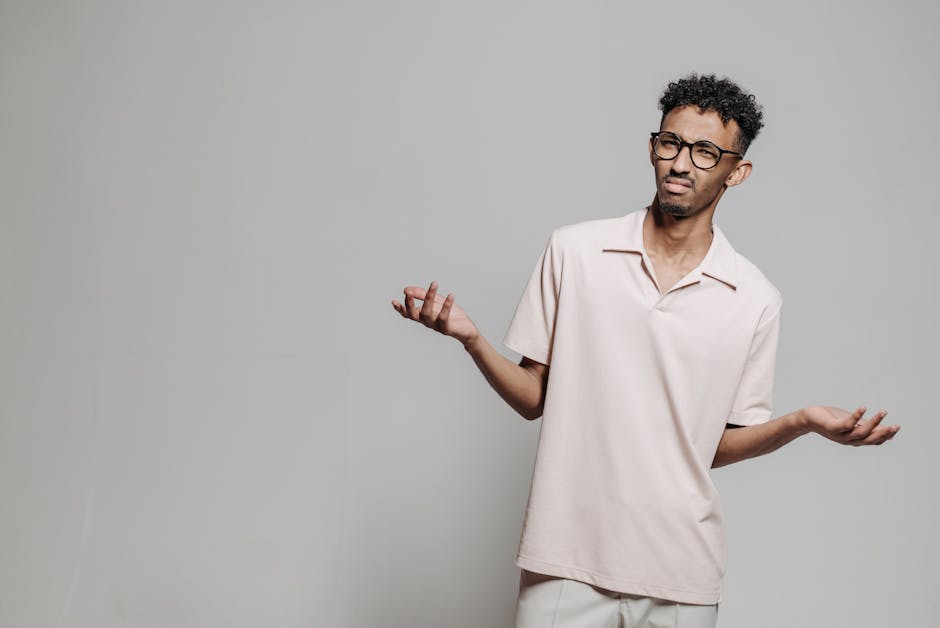
Here’s the simplest way I can put it: buy the Uniqlo polos for your everyday staples, and grab a J.Crew for your ultra-casual days. If you need something with a little more tech or for travel, the Everlane is your winner. For that one step up in refinement for a specific occasion, consider a Bonobos Jetsetter. You don’t need to spend $150. You really don’t.
Keeping Them Fresh: Polo Care & Longevity Hacks
Buying a great polo is only half the battle. Keeping it looking great for years is the other half. I’ve ruined enough good shirts to know that proper care isn’t just about cleaning; it’s about preserving the fit, color, and most importantly, that crisp collar. Treat your polos right, and they’ll reward you with extended life and continued sharpness.
Many people just toss their polos into the wash with everything else, and that’s a mistake. Polos, especially those with textured weaves like pique, benefit from a little extra attention. It prevents pilling, maintains the fabric’s integrity, and keeps those collars from turning into floppy messes. These are the small habits I’ve adopted that have made a huge difference.
How to Prevent Collar Roll?
This is the bane of every polo shirt wearer. Collar roll makes even a new polo look old and sloppy. My trick is simple: always unbutton your polo before washing. Then, lay it flat to dry, specifically shaping the collar by hand. You can even iron the collar flat after it’s dry, pressing it from the underside. For storage, fold your polos or hang them with the collar popped up, not flat. If a collar already has a stubborn roll, a little starch when ironing can sometimes help, but prevention is key.
Best Washing Practices for Polos?
Always wash your polos in cold water. Cold water preserves color and prevents shrinkage, especially with cotton. Use a gentle cycle. Turn them inside out before tossing them in; this protects the outer fabric from abrasion and reduces pilling. And for the love of all that is crisp, skip the high heat in the dryer. Tumble dry on low or, even better, air dry them. I often pull them out of the dryer while they’re still slightly damp and let them finish air drying on a hanger, shaping them as they dry. This minimizes wrinkles and keeps the fabric from getting that over-dried, stiff feeling.
Dealing with Pilling and Fading?
Pilling happens when fibers break and tangle together, creating those annoying little balls on the surface of your fabric. It’s common with blends or lower-quality cotton. To minimize it, wash inside out on a gentle cycle, and avoid harsh detergents. If pilling does occur, a fabric shaver or a de-fuzzing comb works wonders. I have a cheap electric fabric shaver that I use once every few months, and it makes older polos look almost new again. As for fading, cold water washing is your best defense. Also, avoid direct sunlight when drying clothes; UV rays can accelerate color fade. If a polo is a dark color, wash it with similar darks to prevent color transfer and preserve its vibrancy.