

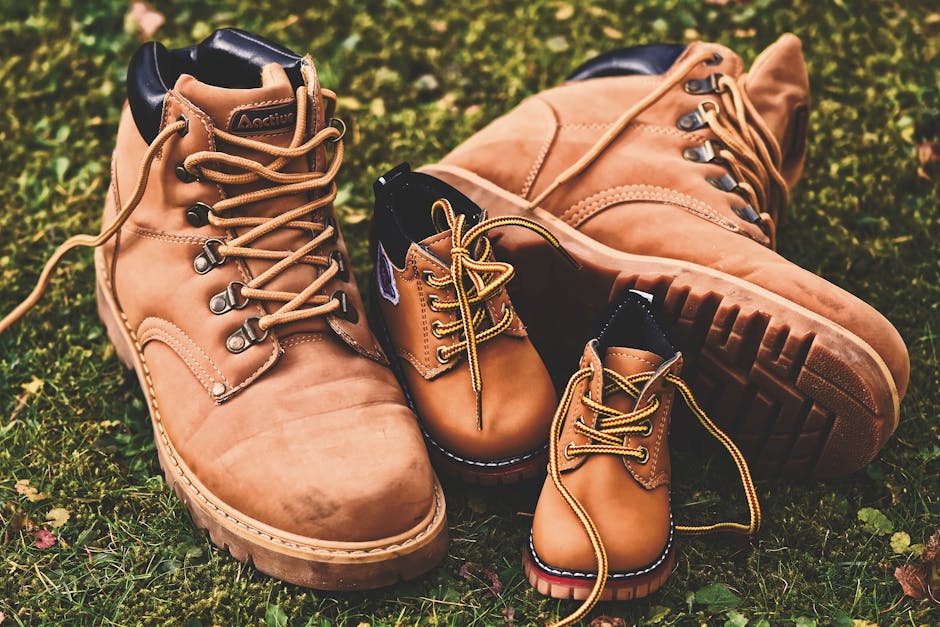
Boot sales look like a steal. But most markdowns hide a simple truth: the boot was never worth the MSRP. Retailers inflate the original price by 40–60% so the “50% off” tag lands you right where they wanted you — paying full retail for a boot that costs $35 to make. This article walks you through the actual math of boot sales, the materials that hold up, and which three boots on sale right now are worth your money.
The Markdown Math: What That 50% Off Tag Actually Means
Retailers use a tactic called price anchoring. They set an MSRP that almost nobody pays, then run a “sale” that brings the price down to what they always intended to charge. For boots, the industry standard margin is 55–65%. A boot with an MSRP of $300 costs the retailer roughly $90–110. When they mark it down to $180, they still make a 50% margin. You aren’t getting a deal — you’re paying the normal price.
Real sales happen when retailers need to clear inventory. That means end-of-season (February for winter boots, August for summer boots) or when a model is being discontinued. The best time to buy women’s boots on sale is late January through March. Brands like Blundstone and Sorel rarely discount during peak season. When they do, it’s usually 15–25% off, not 50%.
Another red flag: “Flash sales” on boots that have been on the site for months. Check the price history using a tool like CamelCamelCamel or Keepa. If the boot was $180 last week and is now $120, that’s a real markdown. If it was listed at $300 and is now $150, it was always a $150 boot.
What a Real Boot Sale Looks Like
A genuine sale on women’s boots typically has three markers:
- Clearance on last season’s colors — not core styles. Blundstone’s black Chelsea boots rarely go on sale. But that olive green or burgundy from two seasons ago? It will drop to 30–40% off in February.
- Discontinued models — Thursday Boot Company clears its old lines for 25% off before launching new ones. The Captain in a discontinued color is a legitimate deal.
- Size run gaps — if only sizes 5 and 11 are left, the price drops hard. That’s a real sale, but only if you wear those sizes.
If a sale has every size in stock and a 50% banner, you’re looking at fake discounting. Walk away.
Leather vs. Synthetic: The Specs That Determine Whether a Boot Lasts

The single biggest factor in boot longevity is the upper material. Full-grain leather boots last 5–10 years with care. Corrected-grain leather lasts 2–4 years. Bonded leather and synthetic materials (PU, PVC) last 6–18 months. Yet most “boots on sale” racks are stuffed with synthetics because the markup is higher.
Here’s how to read a product page:
- “Genuine leather” — this is the lowest grade of real leather. It’s the split layer after the top grain is removed. It looks smooth initially but cracks within a year. Avoid unless the boot is under $80 and you only need it for one season.
- “Full-grain leather” — the top layer, with the natural grain intact. It develops a patina over time and gets softer. This is what you want. Thursday Boot Company and Blundstone use full-grain on most models.
- “Leather” with no qualifier — assume it’s corrected-grain or bonded. Check the customer photos for peeling after 6 months.
- “Synthetic leather” or “man-made materials” — these are plastic. They don’t breathe. They crack in cold weather. They are not repairable. The only reason to buy them is price: you can get a passable-looking boot for $50–70 that lasts one season.
The Outsole Tells You More Than the Upper
A boot can have great leather but a glued-on outsole that fails after 200 wears. Look for Goodyear welt or Blake stitch construction. These allow resoling. Thursday Boot Company uses a stitchdown construction that’s resoleable. Blundstone uses a cemented sole that cannot be replaced — when the outsole wears out, the boot is done. That’s fine for a $160 boot you wear 3 seasons, but not for a $300 boot.
Check the product photos for a visible welt — a strip of leather between the upper and the sole. If you see stitching going through it, that’s Goodyear welt. If you see a smooth edge with no stitching, it’s cemented. Cemented boots can still be high quality (Blundstone proves this), but they have a hard expiry date.
Three Boots on Sale Right Now That Pass the Value Test
These three boots are currently available at genuine discounts (verified against price history) and use materials that justify the price.
| Boot | Sale Price | Normal Price | Upper | Construction | Resoleable? | Best For |
|---|---|---|---|---|---|---|
| Thursday Boot Company Captain | $169 | $199 | Full-grain leather | Stitchdown | Yes | Everyday wear, office, casual nights out |
| Blundstone #585 (Rustic Brown) | $145 | $190 | Full-grain leather | Cemented | No | Rain, snow, commuting, travel |
| Sam Edelman Lagusa (Black) | $79 | $130 | Leather (corrected grain) | Cemented | No | Night out, one-season style piece |
Thursday Boot Company Captain ($169) — This is the best value on this list. Full-grain leather, stitchdown construction, and resoleable. The sale happens when they release new colors. Right now, the Tobacco and Brandy colors are discounted. Expect 3–5 years of heavy wear before needing a resole. The break-in period is about 2 weeks of daily wear.
Blundstone #585 ($145) — The most comfortable boot out of the box. The cemented sole is a tradeoff, but the leather quality and the elastic side panel make these last 3–4 years with normal use. The #585 is the classic rustic brown — not a seasonal color — so this sale is rare. If you need a boot for wet conditions, this is it. The sole has good grip on slick pavement and light snow.
Sam Edelman Lagusa ($79) — Corrected-grain leather means this boot won’t age gracefully. But at $79, it’s a fair price for a boot that looks sharp and works for a season or two. The block heel is stable, and the silhouette is slim enough to pair with dresses or skinny jeans. This is not an investment piece. It’s a disposable style boot, and at this price, that’s fine.
When NOT to Buy Boots on Sale — and What to Buy Instead

Sales create urgency. That urgency pushes people into bad decisions. Here are three situations where you should skip the sale entirely.
1. The boot is a trend piece. Chunky platform combat boots were everywhere in 2026. They’re already fading. If you see a heavily discounted pair of platform lug-sole boots, ask yourself: will I wear this in two years? If the answer is no, even $50 is too much. Instead, buy a classic Chelsea boot (Blundstone or Thursday) that costs more upfront but stays wearable for a decade.
2. The boot doesn’t fit your climate. A shearling-lined boot on sale for $90 is not a deal if you live in Southern California. You’ll sweat through them in October and shove them in the closet by November. The real cost is the $90 plus the closet space. Instead, buy an unlined leather boot that works 10 months of the year.
3. You’re buying a size that’s slightly wrong. That size 7.5 you’re squeezing into because the 8 is sold out — don’t do it. Boots require thicker socks and room for your toes to splay. A tight boot causes blisters, nerve damage, and calluses. The sale savings disappear the first time you pay $40 for a podiatrist visit. Wait for the right size. It will come back in stock or another sale will happen.
What to buy instead of a bad sale boot: A pair of Dr. Martens 1460 Pascal Virginia ($120) on clearance. The Virginia leather is softer than the standard 1460, so no brutal break-in. They’re cemented, but Dr. Martens has a cult following for a reason — the sole lasts 3–5 years. At $120, that’s $24 per year of wear. That beats any $80 synthetic boot that dies in 6 months.
The One Metric That Predicts Boot Longevity Better Than Price

Price is a weak signal. A $300 boot can be garbage if the leather is bonded and the sole is glued. A $160 boot can last 5 years if the materials are right. The metric that actually predicts longevity is weight.
A women’s boot made with full-grain leather and a real welted sole weighs 1.2–1.6 pounds per boot (size 7). A boot made with synthetic materials and a glued sole weighs 0.7–1.0 pounds. If you pick up a boot and it feels light, it’s almost certainly plastic. The leather has been replaced with foam or fabric fillers.
Check the product specs. The weight is usually listed. For a Chelsea boot, aim for 1.3–1.5 pounds. For a combat boot, 1.5–1.8 pounds. For a heeled ankle boot, 1.0–1.2 pounds. If the weight isn’t listed, check customer reviews — someone always mentions it.
This rule has one exception: Blundstone. Their boots weigh about 1.1 pounds because the sole is lightweight polyurethane. But the upper is full-grain leather, and the sole is thick enough to last. They are the lightest durable boot on the market. Outside of that, low weight = low quality.
Final check before you buy: Look at the product page for the material composition. If it says “100% leather” with no grain grade, assume it’s corrected. If it says “leather and synthetic,” the synthetic is likely the entire upper with a leather trim. If it says “man-made materials,” put the boot down. The sale is not a deal — it’s a clearance of products that don’t hold value.
A boot sale is only a deal when the boot itself is worth the sale price. Check the leather grade, the construction method, and the weight. If all three pass, buy with confidence. If even one fails, keep scrolling. Your feet — and your wallet — will thank you.