


The biggest lie in plus-size dressing is that one silhouette works for everyone. A-line. Wrap. Shift. Column. Fit-and-flare. Each changes how your body looks in completely different ways. Pick wrong and you add visual weight where you don’t want it. Pick right and people ask if you lost weight.
This isn’t about hiding your body. It’s about understanding how fabric, cut, and construction interact with your specific proportions. Once you see it, you can’t unsee it.
The A-Line Dress: Why It Works for Most Bodies (And When It Fails)
The A-line is the safest bet in plus-size dressing. Fitted at the shoulders and bust, it flares gradually to the hem. No waist seam, no hip pinch. The shape creates a continuous triangle that balances broader shoulders or a larger bust without adding bulk below.
What Makes a Good A-Line for Plus Sizes
Look for a dress where the flare starts at or just below the bust, not at the waist. If the flare begins at your natural waist, it can create a bell shape that adds width at the widest point of your hips. The Universal Standard Seamless Knit Dress ($98, sizes 00-40) does this right — the fabric drapes from the bust, not the waist.
Fabric weight matters. A stiff cotton or linen A-line can stand away from your body, creating a tent effect. A ponte knit or medium-weight jersey drapes closer, showing shape without clinging. The Eloquii Ponte Knit A-Line Dress ($79.95, sizes 14-28) uses a 10-ounce ponte that holds its shape without looking rigid.
When the A-Line Fails
If you carry most of your weight in your stomach, an A-line can look like a maternity dress. The flare starts, hits your belly, and tents out. Solution: choose an A-line with a defined bust seam or a mock neck that draws the eye upward. Avoid dropped shoulders — they make the upper body look wider and exaggerate the triangle.
Key measurement: The hem circumference should be at least 1.5x your hip measurement. Anything less and the dress won’t hang properly — it will pull at the thighs and ride up when you walk.
Wrap Dresses: The Universal Solution With One Critical Flaw
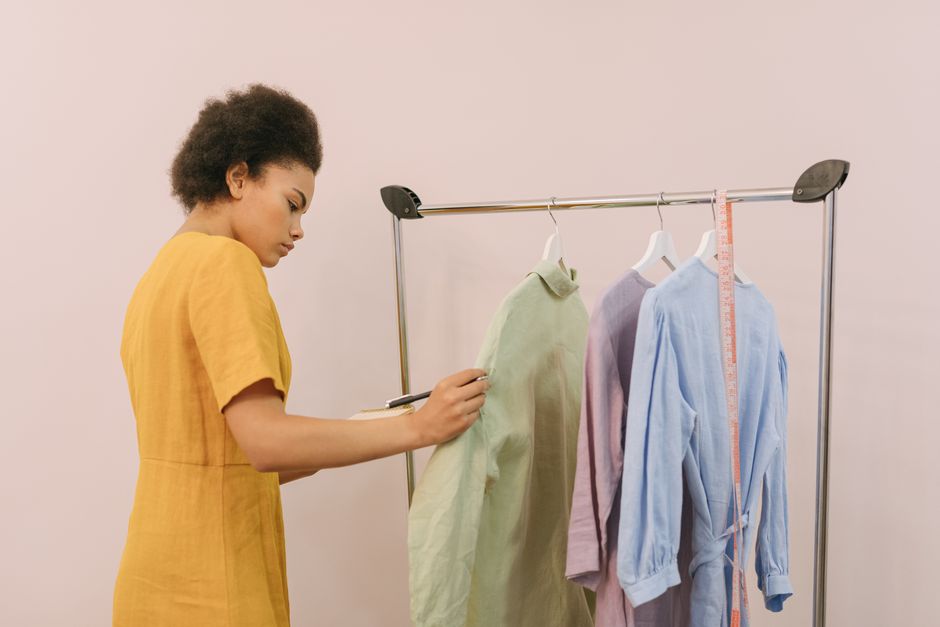
The wrap dress is the most recommended silhouette for plus-size bodies. Diane von Furstenberg built an empire on it. But the standard wrap has a problem: it relies on a V-neck and a tie at the waist. For women with a larger bust or a short torso, the V can gap, and the tie can land at the wrong spot.
The fix is simple. Buy a wrap dress where the tie attaches at the side seam, not the front. This lets you adjust the waist height independently of the neckline. The Talbots Plus-Size Wrap Dress ($149, sizes 14-24) uses this construction. You can pull the waist higher or lower without changing the bust coverage.
Fabric Trap to Avoid
Thin polyester charmeuse wraps look great on models. On a plus-size body, they cling to every curve and show every lump. You want a double-layer wrap or a fabric with at least 5% spandex — enough to hold shape, not enough to compress. The Marina Rinaldi silk wrap dresses (around $495, sizes 12-26) use a 19-momme silk that drapes without clinging. If that’s out of budget, look for a rayon-spandex blend with a matte finish.
Who Should Skip the Wrap
If you have a very defined waist and larger hips, a wrap can create too much fabric at the waist, making you look wider than you are. In that case, a fit-and-flare is a better choice (covered below). Also skip wraps if you’re between band sizes — the bust gap is almost impossible to fix without tailoring.
Fit-and-Flare vs. Sheath: The Two Bodycon Alternatives
These two silhouettes get confused constantly. They solve opposite problems.
| Feature | Fit-and-Flare | Sheath (Column) |
|---|---|---|
| Fit at waist | Cinched, defined | Loose, straight |
| Fit at hip | Flared skirt | Straight down |
| Best for | Hourglass, pear shapes | Apple, rectangle shapes |
| Fabric recommendation | Structured cotton, scuba knit | Jersey, ponte, double knit |
| Common fit issue | Skirt too short for tall frames | Pulls at hip if too tight |
| Price range for well-made | $80-$200 | $60-$150 |
Fit-and-Flare: The Hourglass Hero
A fit-and-flare is fitted through the bodice and waist, then flares into a skirt. The key is where the flare starts. It should begin at your natural waist, not below it. If it starts below the waist, you get a pooch effect — fabric pouching over your stomach.
The Eloquii Fit-and-Flare Midi Dress ($89.95, sizes 14-28) has a hidden waistband with elastic at the back. This gives you the defined waist without the tightness of a sewn-in waistband. The skirt is cut on the bias, which means it drapes over hips without adding volume.
Sheath Dress: The Apple Shape’s Best Friend
A sheath (or column) dress is straight up and down. No waist definition. No flare. This sounds like it would hide your shape, but done right, it creates a long, vertical line that streamlines your silhouette. The trick is the fabric must be heavy enough to fall straight — thin jersey will cling to your belly and hips.
The Universal Standard Geneva Dress ($98, sizes 00-40) uses a 12-ounce ponte knit. It’s thick enough to skim over your midsection without pulling. The dress has darts at the bust and back, which means it fits your actual shape instead of just hanging from your shoulders. If you carry weight in your stomach, this is the silhouette to try.
One generic tip that applies to both: always check the dress length. Fit-and-flare skirts often run short because the flare eats fabric. Sheath dresses can run long because there’s no flare to shorten. Measure from your shoulder to your knee before buying online.
Empire Waist and Shift Dresses: The Two Most Misunderstood Silhouettes
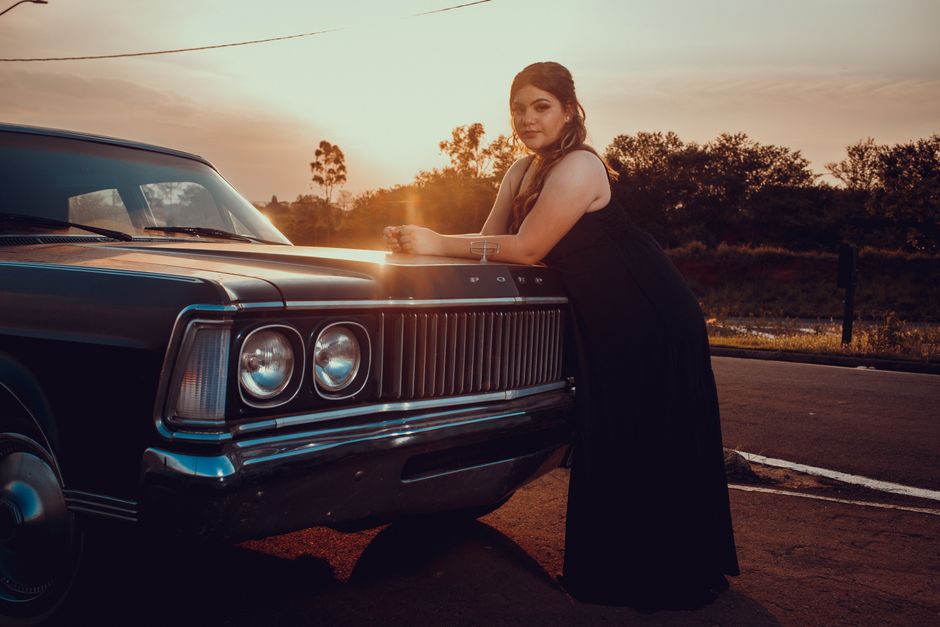
Empire waist dresses have a seam just below the bust, then a loose skirt. Shift dresses hang straight from the shoulders with no waist definition. Both get recommended for plus-size bodies constantly. Both are usually wrong.
Why Empire Waists Fail Most Plus-Size Bodies
An empire waist works if you have a small bust and a defined ribcage. On a plus-size body, the seam often lands right at the fullest part of the bust, making you look pregnant or top-heavy. The fabric then tents out over your stomach, adding 10 pounds visually.
If you want an empire waist, the seam must sit at least 2 inches below your bust, not right under it. The fabric must be heavy — think scuba knit or a double-layered cotton. The Lane Bryant scuba knit empire dresses (around $69.95, sizes 10-40) use a fabric with enough structure to hold its shape away from your body. Avoid anything with a drawstring under the bust — that’s a maternity dress cue.
Shift Dresses: Only for One Body Type
A shift dress works for exactly one plus-size body type: the rectangle. If your bust, waist, and hips are roughly the same width, a shift hangs straight and looks intentional. If you have any curve at all, a shift will either pull at the hips (making you look wider) or hang loose at the bust (making you look shapeless).
The only shift worth buying for a plus-size body is one with side slits. Slits let the fabric move over your hips without pulling. The Eileen Fisher linen shift dresses ($198-$298, sizes XS-3X) have 6-inch side slits that solve the hip pull problem. Without slits, skip the shift.
How to Test a Dress Silhouette Before You Buy (The 30-Second Fit Check)
You don’t need a tailor to know if a silhouette works. Use this three-point check in the dressing room or while holding the dress up in your hands.
Point 1: The shoulder seam. It must sit at your shoulder bone, not hanging off or digging in. If the seam is off, the entire dress will pull wrong. This is the most common fit fail in plus-size dresses — brands scale up by adding width but not adjusting the shoulder position.
Point 2: The bust apex. The dress’s bust dart or seam should hit at the fullest part of your chest. If it’s higher, you get gaping. If it’s lower, you get a flattened look. Wrap dresses are the exception — the V-neck means the apex is less critical.
Point 3: The hip clearance. Squat in the dress. If you feel pulling at the hip or thigh seam, the silhouette is too narrow for your body. You need a wider cut or a different silhouette. This is non-negotiable — a dress that pulls when you move will never look right standing still.
One more generic rule: never buy a dress without checking the fabric content. A dress with 95% polyester and 5% spandex will behave completely differently than one with 100% cotton. Polyester-spandex blends hold shape but can look cheap. Cotton breathes but wrinkles and can lose shape after a few wears. Rayon drapes beautifully but shrinks. Know what you’re getting.
Silhouette Cheat Sheet: Which Dress to Buy for Your Body Shape
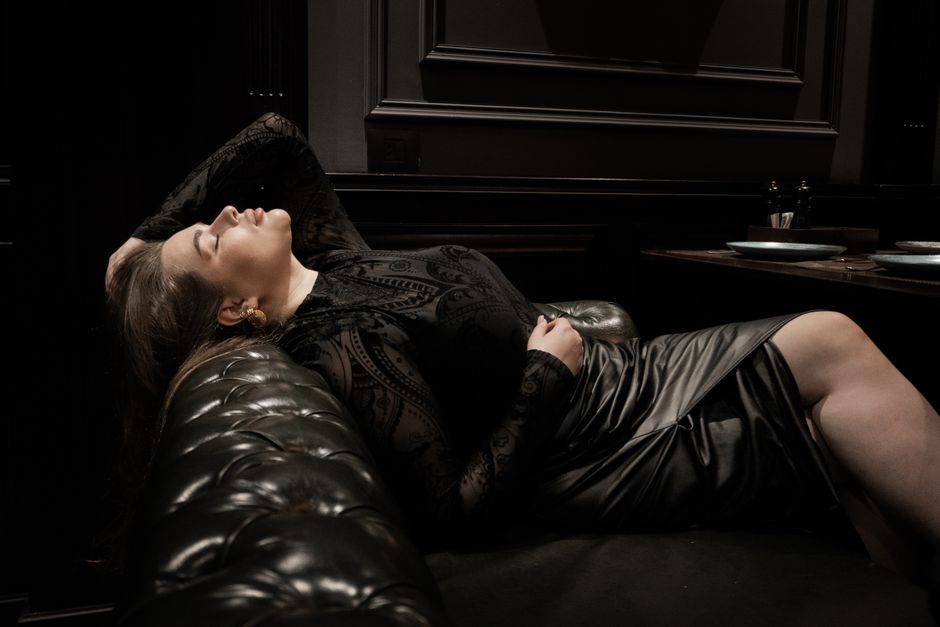
This is the condensed version. Bookmark it.
- Apple shape (weight around middle, slimmer legs): Sheath/column dress in heavy ponte or scuba knit. Avoid empire waist and A-line with dropped shoulders. Best buy: Universal Standard Geneva Dress ($98).
- Pear shape (wider hips, narrower shoulders): A-line dress with flare starting at bust. Fit-and-flare with defined waist. Avoid sheath dresses. Best buy: Eloquii Ponte Knit A-Line ($79.95).
- Hourglass (bust and hips equal, defined waist): Fit-and-flare or wrap dress. Avoid shift dresses and loose A-lines. Best buy: Talbots Plus-Size Wrap Dress ($149).
- Rectangle (bust, waist, hips similar width): Shift dress with side slits or a column dress with a belt. Avoid empire waist. Best buy: Eileen Fisher Linen Shift ($198).
- Inverted triangle (broader shoulders, narrower hips): A-line dress with a V-neck. Avoid fit-and-flare (adds volume to narrow hips). Best buy: Eloquii Fit-and-Flare Midi ($89.95) — the V-neck balances the shoulders.
The single most important takeaway: silhouette matters more than size. A size 22 in the wrong silhouette will always look worse than a size 24 in the right one. Stop forcing your body into shapes that don’t work. Find your silhouette, then find your size within it.