
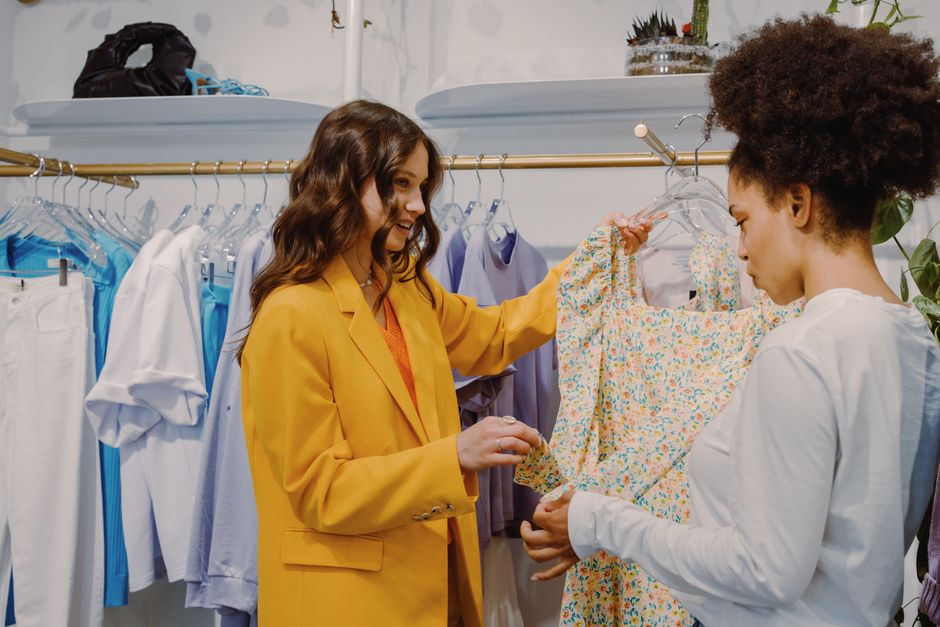
In 2026, Old Navy announced it would offer women’s clothing in sizes 0–30 across all stores and online. The industry applauded. Then, quietly, they walked it back. By 2026, most extended sizes were online-only again. The reason? “Operational complexity.”
Here’s the uncomfortable truth: 67% of American women wear a size 14 or larger, according to a 2026 study by the International Journal of Fashion Design. Yet the average “straight-size” brand stops at 12. The gap between what people need and what brands sell is not a niche problem — it’s a $288 billion missed opportunity globally.
Inclusive sizing is not a trend. It’s a structural shift in how fashion defines its customer. This article explains why it matters, what’s still broken, and which brands are actually getting it right.
The Size Gap: What the Data Actually Shows
The disconnect between body reality and retail shelves is staggering. Let’s look at the numbers.
| Metric | Data Point | Source |
|---|---|---|
| Average American woman’s dress size | 16–18 | PLoS ONE (2026) |
| Percentage of women size 14+ | 67% | IJFD (2026) |
| Brands offering sizes beyond 12 (in-store) | ~18% | Coresight Research (2026) |
| Plus-size market value (US) | $51 billion | Statista (2026) |
| Annual spend per plus-size shopper | $1,200 | NPD Group (2026) |
Plus-size shoppers spend 20% more per year on clothing than straight-size shoppers. Yet they have fewer options, less access to try-ons, and higher return rates due to inconsistent fit. That’s not a customer problem. That’s a design and supply-chain failure.
The real issue is that most brands use a single fit model — typically a size 4 or 6 — and scale up using grade rules. Those rules assume every body grows proportionally. They don’t. A size 20 woman is not a scaled-up size 6. Her proportions shift: bust, waist, hip ratios change. Brands that treat plus sizes as “straight size plus extra fabric” produce garments that fit no one well.
The Vanity Sizing Trap
Vanity sizing — labeling a size 12 as a size 8 — makes the problem worse. A woman who wears a 10 at Brand A might need a 16 at Brand B. She doesn’t know her actual measurements. She just feels bad. This erodes trust and drives returns. Universal Standard and Eileen Fisher are two brands that use honest, consistent sizing. They publish exact garment measurements, not just tag sizes. It works: Universal Standard reports return rates 30% below industry average.
What “Inclusive Sizing” Actually Means (Beyond the Buzzword)
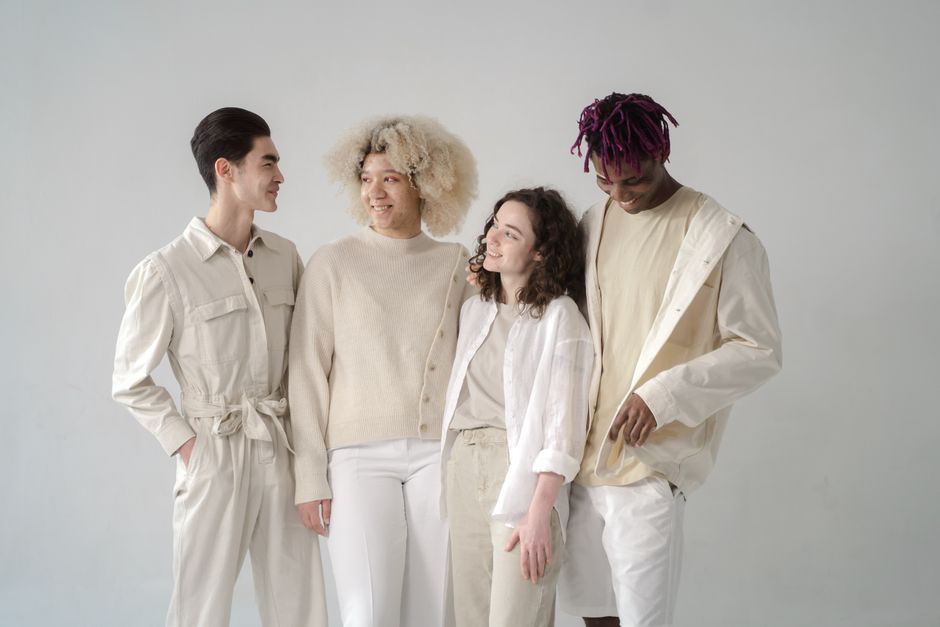
Inclusive sizing is often misunderstood. It is not simply adding a few XXL options to an existing line. Real inclusivity requires three distinct changes:
- Extended size range: Offering sizes from at least XXS to 4X (or 00–28) as standard, not as a separate “plus” collection.
- Proportional fit blocks: Using multiple fit models across the size range — a size 2 model, a size 14 model, a size 22 model — and grading each block independently.
- Inclusive marketing: Showing clothes on bodies that match the size range. Not just one token plus-size model.
Most brands stop at step one. They add larger sizes but keep the same fit block. The result? A size 18 dress that pulls at the bust and gaps at the waist. That’s not inclusive. That’s performative.
Aerie (American Eagle) is one of the few mall brands that does all three. They offer sizes XXS–XXL in most styles, use fit models across the range, and have featured unretouched photos of diverse bodies since 2014. Their sales grew 20% year-over-year through 2026. Inclusive sizing, done right, is profitable.
Why Most Brands Fail at Extended Sizing
Here’s what goes wrong — and it’s not what you think.
Failure mode 1: The “one block” grade. As mentioned, scaling a size 6 up to size 20 creates a garment that fits like a tent. The shoulders are too wide. The armholes gape. The waist disappears. Talbots learned this the hard way. Their classic-fit blazer in size 18 has a 48-inch bust but a 20-inch shoulder width — proportions that work on almost no one. They redesigned their fit blocks in 2026 after a 15% return rate on extended sizes.
Failure mode 2: Fabric shortage. Plus-size garments require 30–50% more fabric. Brands that source the same yardage for a size 20 as a size 8 end up with garments that are too short, too tight, or both. A size 20 dress should have longer hems, wider armholes, and reinforced seams. Most don’t.
Failure mode 3: Separate “plus” lines. When brands relegate extended sizes to a separate collection — often with different styles, lower-quality fabrics, and less marketing — they signal that straight sizes are “normal” and plus sizes are “other.” Lane Bryant has been fighting this stigma for decades. They offer the same trends as straight-size brands, but at 20% higher price points due to fabric costs. The message is clear: inclusivity costs more.
It doesn’t have to. Old Navy proved that by pricing their sizes 0–30 identically. Their BODEQUALITY line was priced the same across all sizes. The problem was inventory management — they couldn’t keep extended sizes in stock. That’s a supply-chain fix, not a pricing problem.
Brands That Actually Get It Right (And What They Do Differently)
Let’s be specific. Here are five brands that have solved the inclusive sizing puzzle — and the exact tactics they use.
Universal Standard (sizes 00–28): They use four fit models across the size range. Every garment is tested on a size 6, 14, 20, and 26 body before production. They also offer a “Fit Liberty” program: if your size changes within a year, they exchange the garment for free. Their bestselling item, the Tehran Tee ($50), has a 4.5-star average from 12,000 reviews. The secret? A 4-inch side slit and raglan sleeves that accommodate broader shoulders without bagging.
Savage X Fenty (sizes XS–4X): Rihanna’s line uses 12 fit models for each collection. They offer bras in 70 band/cup combinations, including extended band sizes (32–46) and cup sizes A–H. Their marketing features bodies from size 0 to 26, unretouched. The brand hit $500 million in revenue by 2026. Inclusivity is their core strategy, not a side project.
Girlfriend Collective (sizes XXS–6X): This activewear brand uses recycled materials and offers leggings that actually stay up on different body types. Their High-Waisted Compressive Legging ($68) comes in 20 sizes, each with a different waist-to-hip ratio. They publish a fit-finder quiz that asks for waist, hip, and inseam measurements — not just tag size. Return rate: 8%.
Dia & Co (sizes 10–32): A subscription styling service, not a brand, but they’ve collected data on 500,000+ plus-size women. They found that 73% of their customers wear different sizes across brands. Their stylists use actual measurements, not tag sizes. They recommend Universal Standard for basics, Eileen Fisher for workwear, and Lane Bryant for occasion wear.
Nike Plus (sizes M–3X): Nike’s plus-size activewear line uses extended sizing with proportional fit blocks. Their Dri-FIT One Luxe Tight ($85) in size 2X has a 42-inch inseam and a 50-inch hip — proportions that match real bodies. They also offer a size-inclusive mannequin in flagship stores. Sales of the Plus line grew 40% in 2026.
The Business Case: Why Inclusivity Drives Revenue
This is not charity. Inclusive sizing is a growth strategy.
A 2026 McKinsey report found that brands offering sizes 14+ grew revenue 2.3x faster than those that didn’t. The plus-size market is growing at 6.5% annually, compared to 2.1% for straight-size apparel. The average plus-size shopper buys 7–8 items per year, versus 5 for straight-size shoppers. And they are fiercely loyal: 68% say they would switch brands permanently for one that offered consistent, well-fitting extended sizes.
Yet the barriers are real. Extended sizing requires:
- Additional fit samples: $5,000–$10,000 per style per size block
- More fabric: 30–50% higher material cost per garment
- Separate grading: $2,000–$5,000 per pattern per size range
- Inventory risk: More SKUs, harder to forecast demand
But the payoff is clear. Old Navy’s BODEQUALITY line, despite supply issues, drove a 12% increase in overall women’s sales. Aerie saw a 25% revenue jump after expanding to XXL. The math works — if you do it right.
Where Inclusive Sizing Goes Next (2026 and Beyond)
Three trends will define the next phase.
1. AI-powered fit prediction. Startups like True Fit and Zyler use body scans and purchase history to recommend exact sizes across brands. Asos already uses True Fit for its plus-size line. Fit prediction reduces returns by 25% and increases conversion by 15%. Expect every major brand to adopt this by 2027.
2. Made-to-order sizing. Unspun and Violet produce custom-fit jeans based on a 3D body scan. No inventory, no returns, no size tags. The cost is $98–$128 per pair — competitive with premium denim. This model eliminates the grade-rule problem entirely. If it scales, it could make traditional sizing obsolete.
3. Regulatory pressure. The UK’s Advertising Standards Authority now requires brands to disclose when images are digitally altered. New York’s “Fit Act” (proposed 2026) would mandate standardized sizing across retailers. If passed, brands would need to publish actual garment measurements on every product page. That would force transparency — and make inclusive sizing a legal requirement, not a choice.
Inclusive sizing is not a trend. It’s a correction. The fashion industry built itself around a narrow ideal that never matched reality. The data is clear: the customers exist, they have money, and they are tired of being ignored. Brands that adapt will thrive. Those that don’t will shrink — literally and financially.