

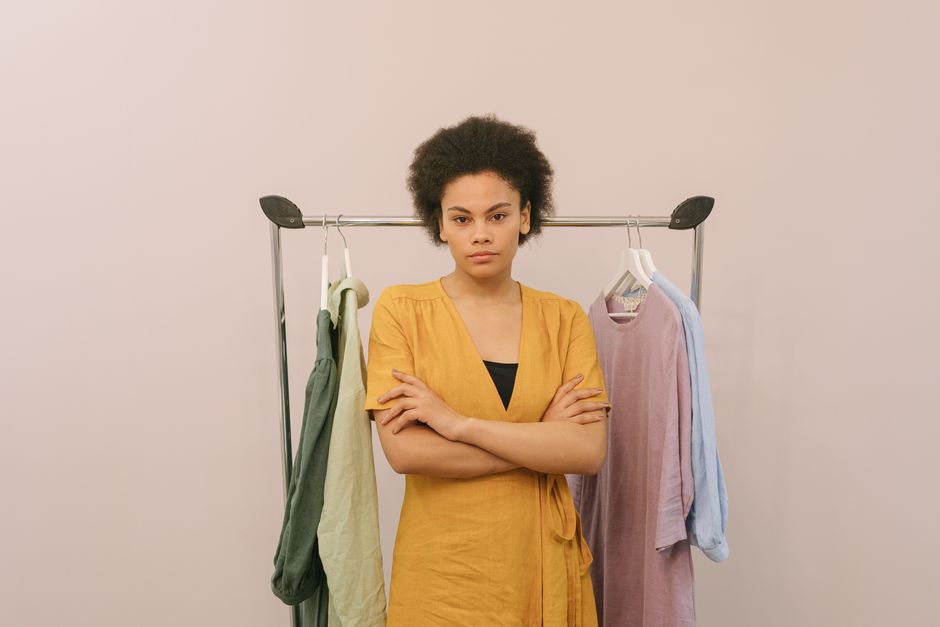
Fast fashion made it easy to buy a new outfit whenever I felt bored with my closet. The problem was not just the waste. Cheap clothes also created a cycle of weak fabric, poor fit, quick replacement, and more spending. In 2026, I switched to secondhand clothing because it gives me better control over quality, cost, and personal style.
Why Fast Fashion Feels Cheap but Costs More
The low price hides the real tradeoff
Fast fashion works by shortening the distance between a trend and a sale. A design appears online, factories produce it quickly, and shoppers get a low price. That sounds efficient, but the low ticket price often comes with thin fabric, rushed construction, inconsistent sizing, and limited repair value. A $15 top may seem cheaper than a $45 used top, yet the cheaper item can lose its shape after several washes or become uncomfortable after a few wears.
Clothing quality changes the cost per wear
The useful question is not “How much does this cost today?” It is “How many good outfits will this item create?” A $30 used wool skirt worn 30 times costs $1 per wear. A $12 new skirt worn twice costs $6 per wear before it becomes clutter. Secondhand shopping makes this calculation easier because the first owner has already tested the garment. You can inspect fading, pilling, stretched seams, and shrinking before paying.
Style improves when choice gets smaller
Fast fashion also creates a styling problem. A closet filled with low-cost impulse buys can contain many pieces but few complete outfits. Secondhand shopping forces a slower choice. You search for a navy blazer in your measurements, not for ten new trend pages. That shift helped me build outfits around color, fabric, and fit instead of constant novelty.
Secondhand Clothing Is the Better Default
The verdict on cost
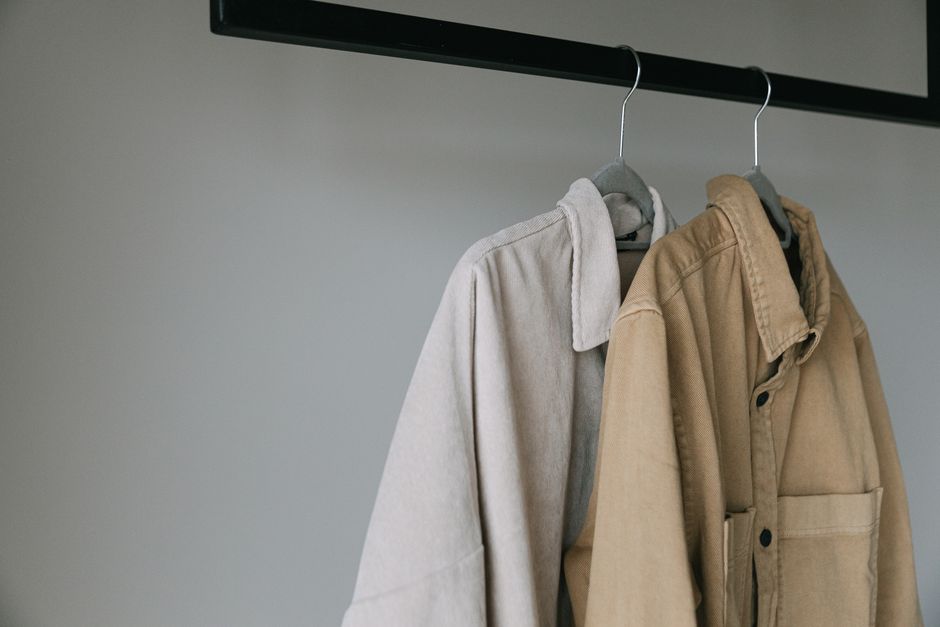
Secondhand clothing wins for most everyday fashion because the price reflects an item that already exists, while the garment itself may still have years of useful life left; a clean used piece from a reliable brand often gives you stronger fabric and better construction for less money, even after shipping or minor tailoring.
The verdict on convenience
Fast fashion is easier when you need a specific size tonight, but secondhand becomes faster after you save measurements, favorite colors, and search terms; my clear recommendation is to buy used first for jeans, jackets, wool layers, leather shoes, and bags, then buy new only when hygiene, safety, exact sizing, or a time-sensitive event makes the used market a poor fit.
What You Save by Reusing One Garment
A useful secondhand budget compares a clean used item with the listed new price and the work needed to make it wearable. The figures below are practical buying targets, not promises. Condition, size, color, season, and seller reputation can move the price.
| Item | New reference price | Strong used target | What to inspect |
|---|---|---|---|
| Levi’s 501 Original jeans | $84.95 listed price | $25–$50 | Seat wear, crotch seams, waist measurement |
| Dr. Martens 1461 Oxford shoes | $170 listed price | $45–$100 | Sole separation, heel wear, leather cracking |
| The North Face 1996 Retro Nuptse Jacket | $380 listed price | $140–$250 | Down leakage, zipper function, cuff damage |
| Cashmere sweater | $100–$250 new | $35–$90 | Moth holes, pilling, odor, fiber content |
The Levi’s 501 Original is a strong secondhand target because the straight cut remains useful across seasons and the non-stretch denim is easy to evaluate by touch. The Dr. Martens 1461 is worth buying used only when the sole and heel still have life. For cold weather, the North Face 1996 Retro Nuptse offers the biggest possible saving, but damaged down makes a cheap listing a bad deal.
Use This Six-Step Secondhand Buying Test
The inspection sequence
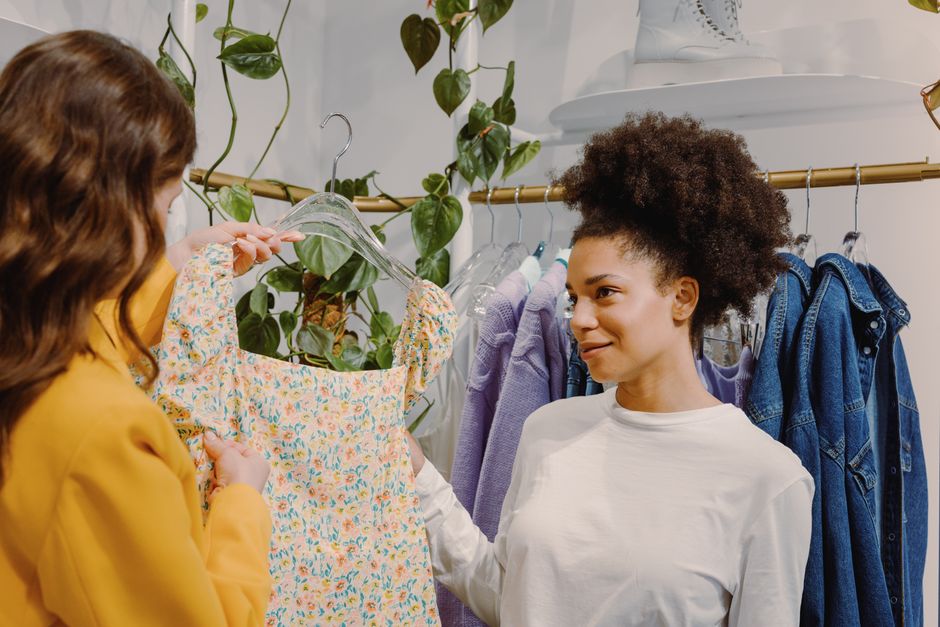
Secondhand shopping becomes reliable when every purchase follows the same order. Do not start with the brand name. Start with the job the garment must perform.
- Define the outfit. Name the shoes, trousers, or layers you already own. Reject anything that needs three new purchases to work.
- Set a measurement. Record your best-fitting garment’s chest, waist, rise, inseam, shoulder, or sleeve length. Listed size numbers are not consistent across brands.
- Check the fiber label. Wool, cotton, linen, silk, and leather usually justify closer inspection. A polyester blend may still be useful, but the price should reflect it.
- Study high-stress areas. Look at underarms, crotch seams, elbows, cuffs, collars, lining, and pocket openings. These reveal wear faster than the front photo.
- Calculate the full cost. Add shipping, cleaning, tailoring, and replacement buttons. A $20 bargain can become a $55 project.
- Wait before buying. Leave the listing open for ten minutes. If you cannot name three outfits and one real occasion, pass.
The mistake this prevents
This test stops the most common secondhand error: confusing a low price with a good purchase. A garment can be cheap because it is damaged, hard to style, incorrectly measured, or unpopular for a valid reason. Your goal is not to collect bargains. Your goal is to buy fewer pieces that earn regular wear.
Secondhand Fashion Questions That Deserve Straight Answers
Is secondhand clothing hygienic?
Yes, when you inspect it and clean it correctly. Wash machine-safe garments before wearing them. Dry-clean tailored wool or structured pieces when the care label calls for it. Air leather shoes, wipe the insoles, and replace them if they smell strongly or show moisture damage. Do not buy items with persistent mildew, bedbug evidence, or an odor that remains after cleaning. For underwear, swimwear, pierced jewelry, helmets, and heavily padded protective clothing, buying new is the better choice.
Is secondhand clothing always better for the planet?
No. The environmental benefit depends on keeping the item in use and avoiding unnecessary shipping or repeat purchases. Buying a used jacket from a seller across the country, returning it, and ordering three replacements creates more movement than buying one durable local piece. Secondhand also does not excuse overbuying. Ten thrifted impulse purchases still create a crowded closet. The winning habit is a smaller wardrobe, longer use, careful washing, and repair before replacement.
Should I shop resale apps or local stores?
Use resale apps for exact brands, sizes, and discontinued colors. Use local thrift and consignment stores for lower shipping costs, immediate try-ons, and fabric inspection. My recommendation is local shopping for jeans and shoes, where measurements and comfort matter most, and online resale for technical jackets or premium wool when the seller provides clear photos and measurements.
Buy Condition, Not a Label
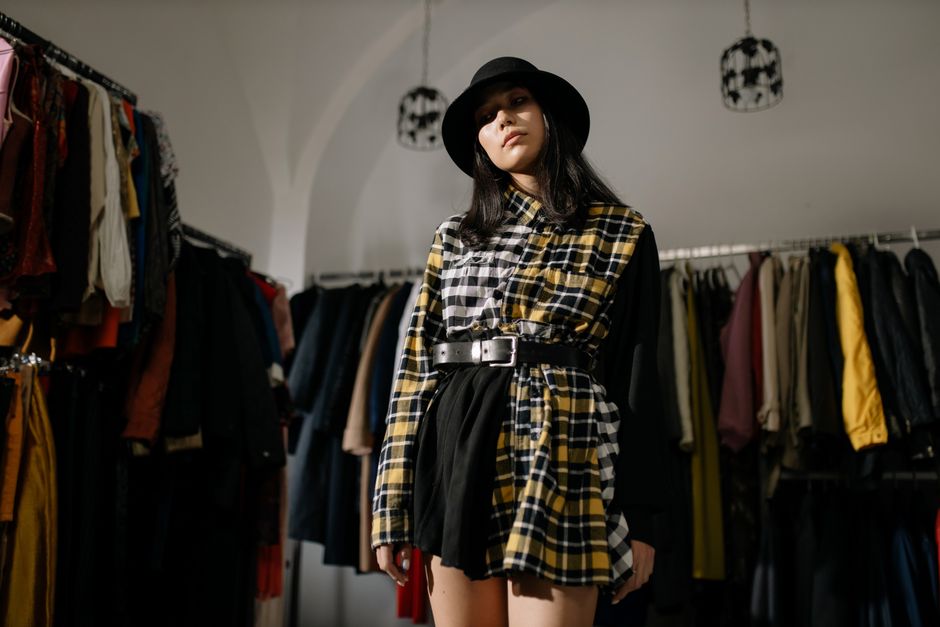
My strongest rule is simple: a famous label does not rescue a damaged garment. Secondhand shoppers often pay extra for a logo and forget to inspect the actual item. That is how a worn designer coat becomes a worse purchase than an excellent unbranded wool coat. Brand history can help you search, but condition decides value.
When a premium item earns its price
A used brand-name piece earns a premium when its construction solves a real problem. The North Face 1996 Retro Nuptse has 700-fill down, recycled nylon fabric, a packable design, and a listed new price of $380. A clean used example at $180 can make sense if you need a warm, light winter jacket and the baffles remain full. A cracked shell, leaking feathers, or broken zipper changes the answer immediately. Buy the garment, not the reputation.
When not to buy secondhand
Skip used clothing when the fit cannot be measured, the return policy is unclear, or repairs cost more than the finished item. Avoid unknown shoes with compressed soles if you need them for long walks. Avoid vintage knitwear with spreading moth holes unless you already know how to repair it. Do not buy a secondhand formal dress for a deadline if shipping leaves no time for alterations. New can be the smarter choice when reliability matters more than the lowest price.
Build a Secondhand Starter Closet That Works
Start with three high-use pieces
My recommended starting set is one pair of straight-leg jeans, one weather-ready layer, and one pair of comfortable leather shoes. Search for a clean Levi’s 501 Original, a gently worn North Face 1996 Retro Nuptse if your climate requires insulation, and Dr. Martens 1461 shoes only after checking the soles and heel. These pieces create a base for casual outfits, travel looks, and simple work combinations without forcing you into a trend-heavy wardrobe.
The final buying rule
Buy secondhand first when the item is durable, washable, measurable, and easy to style with clothes you already own. Buy new when hygiene, safety, exact timing, or guaranteed fit matters more. That is why I left fast fashion: not because every new garment is bad, but because constant low-cost buying made it harder to recognize value. For most everyday fashion, secondhand clothing is the best choice because it lowers the cost per wear while giving you a clearer look at quality before you commit.