

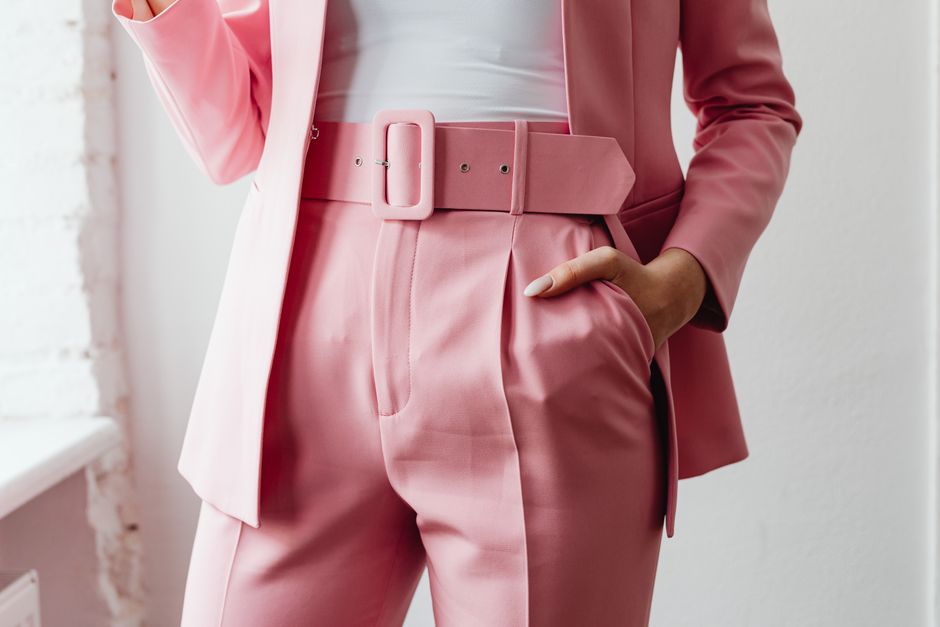
Your first management role changes what your clothes need to do. You are no longer dressing only for your own tasks; your wardrobe must support meetings, presentations, staff conversations, and unpredictable days without making you feel disguised.
The strongest approach is a small, repeatable system built around fit, comfort, and authority. This is not legal advice — consult a licensed attorney.
What Belongs in a First Management Wardrobe?
A first management wardrobe does not need a full closet replacement. It needs enough structure to create several polished outfits from a limited number of pieces. Start with clothing that works across meetings, regular office hours, travel between locations, and less formal team settings.
| Wardrobe area | Starting quantity | Useful specification | Purpose |
|---|---|---|---|
| Tailored jackets | 2 | One dark neutral and one lighter neutral | Creates authority for meetings and presentations |
| Work trousers | 3 | Mid- to high-rise, wrinkle-resistant fabric | Supports repeated outfit combinations |
| Blouses or knit tops | 5 | Opaque fabric, easy-care finish | Provides a clean base for jackets and cardigans |
| Structured dress | 1 or 2 | Knee length or below, comfortable arm movement | Offers a complete outfit on busy mornings |
| Professional shoes | 2 pairs | Low heel or supportive flat, leather or quality textile upper | Handles long days without distracting discomfort |
| Work bag | 1 | Fits a laptop, charger, notebook, and water bottle | Keeps essentials organized during management days |
Choose a controlled color palette
Use navy, charcoal, black, camel, ivory, or taupe as the base. Add one accent color such as burgundy, forest green, cobalt, or muted red. This gives you variety without forcing every garment into a different visual language. A navy jacket can work with gray trousers, black trousers, a printed blouse, or dark denim when the workplace allows it.
Buy for movement, not just appearance
Test every garment while sitting, reaching, walking, and lifting one arm as if you were pointing toward a presentation slide. A jacket that pulls across the back will make you look tense. A skirt that rides up when you sit creates the wrong kind of attention. The best management wardrobe looks composed because it lets the wearer move normally.
Make the Blazer the First Strong Purchase

Buy one excellent blazer before buying five ordinary office pieces. A well-cut jacket changes the perceived finish of trousers, a knit top, or a simple dress. It also gives you a fast answer when a casual morning turns into a client meeting.
What cut works across the week?
For most first-time managers, a single-breasted blazer with two buttons, moderate shoulder structure, and a hem that reaches the hip is the safest starting point. Avoid extreme oversized shapes if you need the jacket to look formal, and avoid very cropped cuts if you want it to work with dresses and high-rise trousers. The shoulder seam should sit at the edge of your shoulder, while the lapel should lie flat when the jacket is closed.
The J.Crew Going-Out Blazer is a useful reference for a classic polished shape, while the Everlane Italian Wool Blazer shows how a wool blend can add structure without feeling rigid. For a softer office, the M.M.LaFleur Jardigan offers cardigan comfort with a jacket-like outline. These are not interchangeable choices: J.Crew suits a sharper setting, Everlane works as a traditional foundation, and M.M.LaFleur is strongest for travel or offices that value ease.
When should you skip a blazer?
Skip the blazer as your first purchase if your workplace is physically active, highly casual, or built around uniforms. A structured overshirt, fine-gauge cardigan, or clean knit jacket may serve you better. For a formal corporate setting, however, a blazer remains the clearest single upgrade because it creates visual authority without requiring a complete suit.
Fit, Fabric, and Comfort Matter More Than Status Signals
Clothing communicates role, but it cannot replace clear decisions, reliable follow-through, or respectful leadership. The wardrobe should support those behaviors by removing avoidable distractions. That means choosing fabrics and proportions that remain comfortable during a long day, rather than chasing labels that look impressive on a hanger.
Check the fit in four positions
Try each key garment while standing, seated, walking, and reaching forward. Check the neckline when you lean over a table. Check the waistband after lunch. Check trouser hems with the shoes you will actually wear. These small tests reveal problems that a mirror misses.
Jackets should close without a sharp pull at the button. Trousers should sit securely without digging into the waist. Sleeves should finish near the wrist bone, and shirt cuffs should not disappear completely under a jacket. If a garment fits your shoulders but pulls elsewhere, alter it before replacing it. A modest tailoring bill often improves a $100 garment more than another $300 purchase.
Select fabrics for the workday you actually have
Wool and wool blends regulate temperature well, but they may need dry cleaning. Cotton poplin feels crisp and breathable, but it wrinkles faster. Polyester blends resist creasing and can work well for travel, though low-quality versions may trap heat. A fabric with a small amount of elastane can improve sitting comfort, but too much stretch may make trousers lose their shape by late afternoon.
Fabric weight also matters. Lightweight material may look fresh in a warm office but show every crease. Medium-weight cloth usually gives a cleaner line for jackets and trousers. For a first management wardrobe, choose durable fabrics that recover from movement and can be maintained without special care after every wear.
Use This Five-Step Buying Order
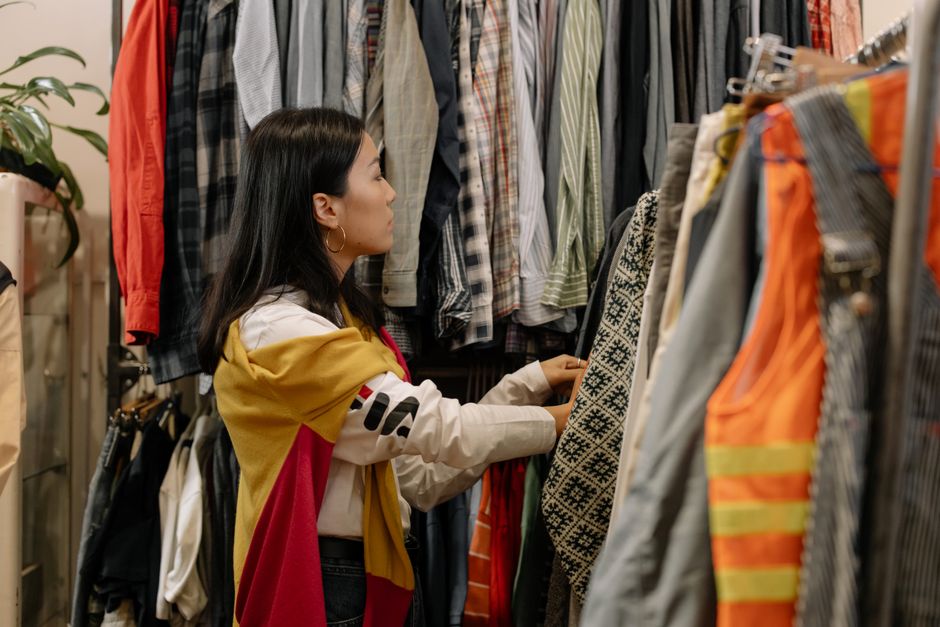
Build the wardrobe in an order that solves the most common workday problems first. This prevents expensive impulse purchases and leaves room to learn the dress code before committing to a full style.
- Read the workplace signals. Review team photos, onboarding documents, and the clothing worn by people who lead meetings. Separate the everyday standard from special-event clothing.
- Audit your existing closet. Keep pieces that fit, feel comfortable, and match at least three other items. Set aside clothing that needs repair, constant adjustment, or a special undergarment.
- Buy the foundation first. Choose one dark blazer, two pairs of trousers, two polished tops, and comfortable shoes. This gives you a reliable workweek before you add personality pieces.
- Add one visible point of polish. Select a structured bag, a simple watch, a silk scarf, or understated jewelry. One clear detail looks more deliberate than several competing accessories.
- Test the wardrobe under pressure. Wear a planned outfit on a day with meetings, commuting, and desk work. Record what wrinkles, slips, pinches, or needs constant attention. Replace the weak link instead of buying more.
Start with a realistic spending plan
A practical first round might include two jackets, three trousers, five tops, two pairs of shoes, and one bag. Spend more on pieces that carry the outfit, such as the jacket and shoes. Save on simple tops if they fit well and wash reliably. The Uniqlo Smart Ankle Pants can provide an affordable stretch option, while the Banana Republic Sloan Pant offers a more tailored direction. Choose one lane for your workplace instead of mixing casual jogger-like trousers with formal suiting.
Know what not to buy yet
Do not buy a full suit wardrobe before you know how often your role requires formal suiting. Do not buy statement shoes that cannot survive a commute. Do not buy dry-clean-only pieces when you do laundry once a week. Delay anything that solves an imagined version of the job rather than the schedule you will actually keep.
Common Questions About Dressing as a New Manager

Should a first management wardrobe include suits?
Include one suit only when the workplace requires formal business dress, client presentations, interviews, or industry events. A navy or charcoal suit with a simple cut has the widest use. If the office is business casual, buy separates first. A blazer and trouser combination will give you more outfits and fewer days when you feel overdressed.
Can dresses look authoritative?
Yes. A dress looks managerial when it has clean shoulder lines, a stable neckline, enough room to sit comfortably, and a hem that stays in place while walking. A knit sheath can work in a polished office, while a shirt dress may fit a creative workplace better. Avoid thin fabric, loud novelty prints, and shapes that require constant adjustment.
What shoes work for long management days?
Choose shoes that you can wear for several hours before a meeting begins. A low block heel, supportive loafer, refined flat, or sleek ankle boot usually performs better than a narrow high heel. The Sam Edelman Loraine Loafer is a classic loafer reference, while Clarks Un Blush Go represents a comfort-first direction. The clear choice for frequent walking is the pair that stays secure and comfortable after a full day, not the pair with the most dramatic silhouette.
How can you look senior without looking severe?
Use structure in one or two places and softness everywhere else. A tailored jacket with a fine knit top feels capable without appearing rigid. A neutral outfit with one accent color creates focus. Keep accessories neat, proportions balanced, and grooming consistent. Authority comes from a coherent outfit, not from wearing the most formal item in the room.
When the first management morning arrives, the goal is not to look like a different person. It is to remove wardrobe uncertainty so your attention stays on the team, the meeting, and the decisions in front of you. A small set of well-fitting pieces gives you that freedom more reliably than a crowded closet.