

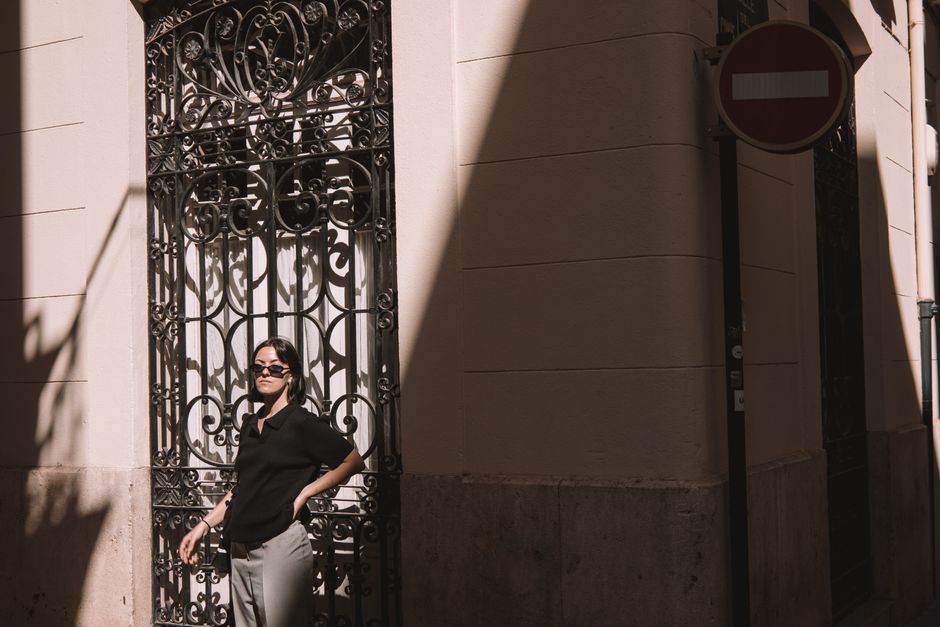
You leave home at 7:20, walk twelve minutes to the station, stand through one crowded train, climb two flights of stairs, and arrive with a waistband that has already become the main problem of your day. The trousers look polished in the mirror. They do not feel polished by 9:00.
The right pair solves a specific design problem: it keeps the visual lines of tailoring while giving your hips, knees, and waist enough room to handle walking, sitting, standing, and temperature changes. This is not legal advice — consult a licensed attorney.
Why do tailored trousers fail during a long commute?
Tailoring is about shape, not stiffness
A tailored trouser should create a clean outline from waist to hem. That does not require rigid fabric. The best commuter pairs use a stable weave or knit with controlled stretch, so the fabric returns to its shape after you sit. The distinction matters. A very soft trouser may feel comfortable for ten minutes but lose its crease, bag at the seat, or pull across the knees before lunch.
Look for a fabric blend that includes a small amount of elastane or another stretch fiber. Around 2% to 5% stretch fiber can add useful movement without turning the garment into activewear. Four-way stretch usually gives the easiest movement, but two-way stretch can look sharper because it keeps more structure across the body. For a formal office, two-way stretch in a medium-weight fabric is often the better choice.
The seat, rise, and knee decide comfort
Most commute discomfort starts with fit rather than fabric. If the seat is too tight, the trousers pull when you climb stairs. If the rise is too short, the waistband digs in when you sit. If the knee is cut too narrow, every step creates tension that the fabric must absorb.
Try the trousers while standing, then sit on a hard chair for five minutes. The waistband should stay flat without folding sharply. The front rise should not press into your lower stomach. At the back, the pockets should lie mostly flat instead of opening like small fans. A little room at the seat is useful; excess fabric creates drag and makes the trousers look loose.
Verdict: choose recovery over maximum softness
For a long commute, the winning formula is a medium-weight fabric, a moderate rise, a little stretch, and enough room through the seat and thigh. The softest pair in the fitting room is not automatically the best pair on a full day. Buy for movement that still looks controlled at 6:00 p.m.
Which trouser specifications matter most for commuting?
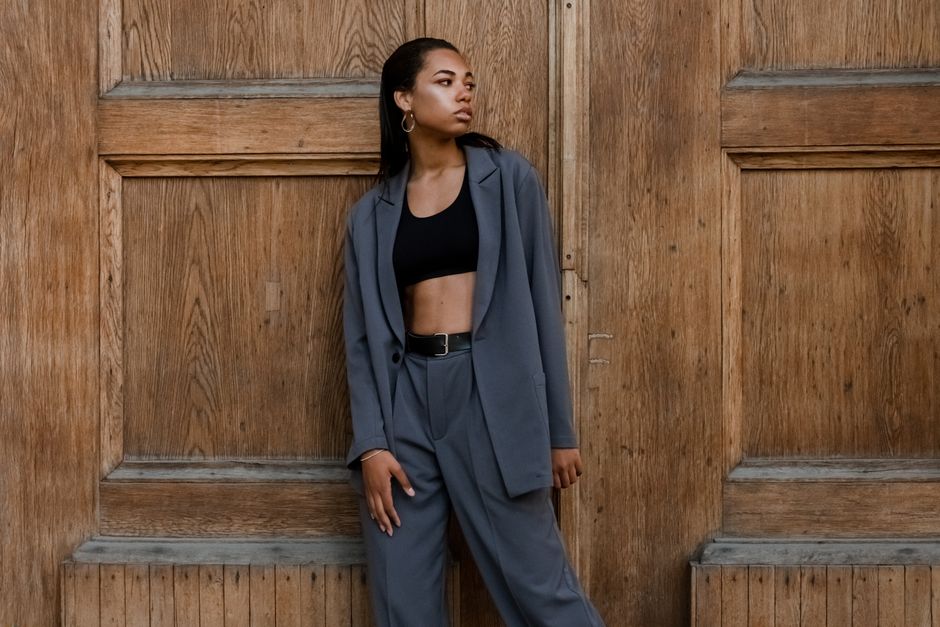
A practical specification chart
What the label can and cannot tell you
A label that says “stretch” gives you only part of the answer. It may describe a small amount of horizontal give, while your commute demands movement in several directions. A label that says “wrinkle resistant” also needs caution. It usually means the garment creases less than a comparable fabric after washing or sitting. It does not mean the trousers will look freshly pressed after a crowded train.
Prioritize the measurements you can verify. Measure your natural waist, seat, and preferred inseam. Compare those numbers with the brand’s size chart instead of ordering by your usual letter size. A 30-inch waist in one label can fit differently from a 30-inch waist in another, especially when one uses a stretch waistband.
Verdict: fit data beats marketing language
The strongest purchase signal is a clear size chart with garment measurements, multiple inseam choices, and a return policy that allows a proper seated test. If a brand gives you only a vague promise of comfort, keep looking.
Which tailored trousers are strongest for different commute needs?
My clear pick for most office commuters is a structured stretch trouser with a classic or straight fit. It gives the knees room to move, looks credible with a blazer, and does not rely on a visibly elastic waistband. Prices are listed prices seen in 2026 and can change.
Best for a polished office: Rhone Commuter Pant Classic
Its classic fit gives more room through the hips and thighs before narrowing toward the ankle. That shape makes it the strongest option here for someone who walks quickly, sits for long periods, and still needs a conventional office silhouette.
The tradeoff is price and visual character. It reads as performance clothing more than traditional wool tailoring. Choose it when movement and easy care matter more than a formal trouser texture.
Best for a dress-pant feel: Betabrand Classic DPYP
It is the more comfortable choice for a commute that includes lots of sitting, because ponte tends to feel smooth and forgiving through the waist and hips.
Do not choose the skinny cut if you need a traditional tailoring line or have muscular thighs. For that use, a straight or bootcut version is the better choice. The ponte fabric also looks more knit-like than a crisp worsted cloth.
Best for soft travel dressing: Encircled Wanderer Pant
It is a strong option for creative workplaces, flights, and commute days that include walking between several locations. Its value is comfort and outfit flexibility, not a sharp trouser crease.
For a strict corporate dress code, choose the Rhone Commuter Pant instead. For a relaxed office where softness and repeat wear matter, the Encircled option earns its higher price more easily.
How should you test tailored trousers before buying?
Use the five-movement fitting test
- Walk for two minutes. Take normal strides, then take a longer step. The fabric should follow your leg without pulling across the front thigh.
- Sit on a firm chair. Check the waistband, rise, and back pockets. If the waist cuts in within five minutes, the problem will grow during a full commute.
- Climb a few steps. Watch the knee and seat. Tight diagonal folds usually show that the cut is too narrow, not that you need more fabric stretch.
- Put a phone in the pocket. Walk again. If the phone swings against your thigh or twists the pocket opening, the pocket placement is wrong for daily use.
- Check the hem with your usual shoes. A trouser that looks correct barefoot may pool over sneakers or rise too far above loafers.
Do not confuse a temporary break-in with a bad fit
Some fabrics relax slightly after a few wears, but a waistband that feels painful in the fitting room is not a break-in issue. Nor is a back pocket that gapes, a fly that pulls, or a knee that restricts stairs. Those are signs that the pattern does not match your body.
Verdict: test the trousers like part of your day
The best fitting-room decision takes ten minutes. A mirror check catches appearance. Walking, sitting, and climbing catch the problems that make a commuter stop wearing the trousers.
When should you avoid stretch tailored trousers?
Q: Are stretch trousers always better than wool trousers?
No. A high-quality wool trouser can breathe well, drape beautifully, and hold a formal line better than a synthetic stretch pair. Choose wool when you attend formal meetings, work in a traditional office, or care most about a natural fabric hand. Choose stretch trousers when your day includes long walking, repeated sitting, cycling, or frequent washing.
Q: What is the most common buying mistake?
Buying a slim cut to create a sharper look. A slim label does not guarantee a clean silhouette. If the thigh is too narrow, the cloth gathers at the crotch and knee, which makes the trousers look less polished. A straight or classic fit often looks sharper because it hangs cleanly from the hip.
Q: When should you buy something more casual instead?
Skip tailored trousers if your commute involves heavy rain, a bicycle, outdoor work, or a workplace with no dress expectation. A technical five-pocket pant or clean chino may handle abrasion, weather, and movement better. The best garment is the one that matches the actual day. Wearing delicate office trousers on a wet bike commute creates unnecessary wear and usually leads to a second outfit anyway.
The category is moving toward clothing that treats comfort and presentation as one design problem. The next generation of commuter trousers will likely offer better ventilation, longer inseam ranges, stronger pocket construction, and fabrics that keep a tailored line through more kinds of movement.