

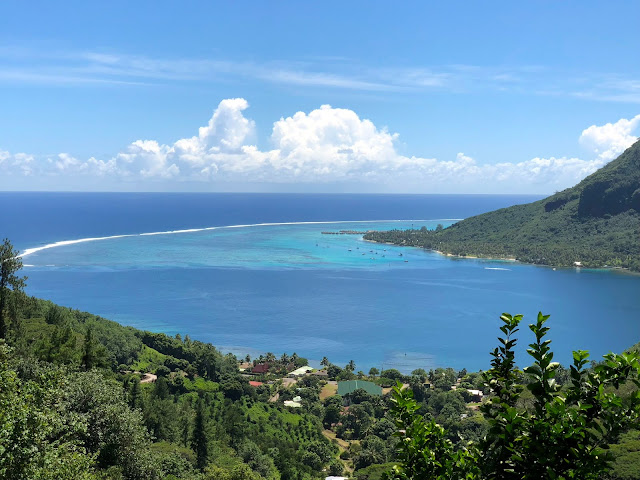
Dreaming of turquoise lagoons and lush volcanic peaks, but unsure how to turn that dream into reality? Planning a trip to Moorea doesn’t have to be overwhelming. This guide breaks down every crucial step, making your journey to French Polynesia smooth and stress-free. We’ll cover everything from booking your flights to navigating the island, ensuring you get the most out of your tropical escape.
Getting There: Flights and Transfers to Moorea
Your journey to Moorea starts long before you reach the island itself. The first major hurdle is securing flights to Tahiti, specifically to Fa’a’ā International Airport (PPT) in Papeete. This is the main international gateway to French Polynesia.
Booking International Flights to Tahiti (PPT)
Start your flight search early. Aim for at least 6-8 months in advance, especially if you’re traveling during peak season (June to August). Major airlines like Air Tahiti Nui, French Bee, and United Airlines offer routes to Papeete from various international hubs, primarily Los Angeles (LAX) and San Francisco (SFO) in the United States. Compare prices across different booking platforms like Google Flights and Skyscanner. Be flexible with your travel dates if possible; flying mid-week often yields better fares than weekends.
Connecting to Moorea from Tahiti
Once you land in Tahiti, you have two primary options for reaching Moorea: a short domestic flight or a ferry. Both are efficient, but offer different experiences.
- Domestic Flight: Air Tahiti operates frequent 15-minute flights from PPT to Moorea (MOZ). These small plane flights offer incredible aerial views of both islands. Booking these well in advance is crucial, especially if your international flight lands late in the day, as evening flights can fill up fast. The cost is generally around $60-90 USD per person.
- Ferry: The Aremiti and Terevau ferries depart from the ferry terminal in Papeete, which is a short taxi ride from PPT. The ferry ride takes about 30-45 minutes and costs approximately $15-20 USD per person each way. This is often the more budget-friendly option and allows for easier transport of larger luggage. Tickets can be purchased at the terminal, but booking online in advance during busy periods is wise.
Consider your arrival time. If your international flight arrives late, an overnight stay in Tahiti before heading to Moorea might be necessary to avoid rushing or missing connections. Many travelers find the ferry a relaxing way to begin their island adventure, offering beautiful sea views.
Where to Stay: Finding Your Perfect Bungalow
Moorea offers a range of accommodations, from luxurious overwater bungalows to charming guesthouses. Your choice depends heavily on your budget and desired experience. Researching early is key, as the best spots book up quickly.
Understanding Accommodation Types
Before you book, know what kind of stay you want. Moorea has distinct options:
- Overwater Bungalows: The iconic French Polynesian experience. Found at resorts like Hilton Moorea Lagoon Resort & Spa or Sofitel Kia Ora Moorea Beach Resort. These are generally the most expensive, offering direct lagoon access and unparalleled views. Expect prices starting around $500-800 USD per night, often significantly more during peak season.
- Garden Bungalows/Beachfront Rooms: Resorts also offer beautiful land-based options that are more affordable than overwater bungalows but still provide access to resort amenities. Prices typically range from $250-500 USD per night.
- Guesthouses (Pensions): Run by locals, these offer a more authentic and intimate experience. They often include breakfast and dinner, giving you a taste of local cuisine. Look for pensions on platforms like Booking.com or directly through local websites. Prices vary widely, but many are in the $100-250 USD per night range.
- Vacation Rentals: Platforms like Airbnb offer a variety of homes, apartments, and private bungalows. This can be an excellent option for families or groups, providing kitchen facilities and more space. Prices are diverse, from $80 USD for a simple studio to several hundred for a large villa.
Choosing Your Location Wisely
Moorea is a relatively small island, but different areas offer different vibes. The north coast, near Cook’s Bay and Opunohu Bay, is home to many resorts and tourist amenities. The west coast has more secluded beaches and guesthouses. The east coast is quieter with fewer options. Consider proximity to activities you plan to do, or if you prefer a more isolated retreat.
For instance, if you plan to do a lot of snorkeling and water activities, staying near a good beach is a priority. If you want easy access to restaurants and shops, being closer to Maharepa village makes sense. Factor in transportation costs if your chosen accommodation is far from where you plan to spend most of your time.
Navigating Moorea: Rental Cars, Scooters, Taxis, or Buses?
Getting around Moorea can be part of the adventure. Your choice of transport will impact your flexibility, budget, and overall experience. There isn’t a single ‘best’ option; it depends on your travel style and itinerary.
Comparing Moorea Transportation Options
Here’s a breakdown to help you decide:
| Transportation Type | Pros | Cons | Estimated Cost (per day) | Best For |
|---|---|---|---|---|
| Rental Car | Maximum freedom, good for exploring, carrying gear, air conditioning. | Most expensive, parking can be limited in some areas, driving on winding roads. | $50-80 USD | Families, groups, extensive island exploration, self-guided tours. |
| Scooter/Moped | Fun, agile, easier parking, feels more adventurous, cheaper than cars. | Less storage, exposed to elements, can be risky for inexperienced riders, not ideal for rain. | $30-50 USD | Couples, solo travelers, shorter distances, scenic drives. |
| Bicycle | Eco-friendly, great exercise, very cheap/free (some hotels offer). | Limited range, physically demanding in heat, only suitable for short distances or flat areas. | $10-20 USD (rental) | Short trips from accommodation, leisurely rides. |
| Taxi | Convenient for specific trips (airport transfer, dinner), no navigation stress. | Very expensive for general sightseeing, hard to flag down outside main areas. | $20-50 USD (per trip) | Airport/ferry transfers, specific restaurant trips, limited use. |
| Le Truck (Bus) | Most budget-friendly, local experience. | Irregular schedule, limited routes, less comfortable, not always available. | $2-5 USD (per trip) | Budget travelers, short distances, experiencing local life (if timings align). |
| Hotel Shuttle | Free/included in stay, convenient for resort guests. | Limited to hotel-specific routes and schedules. | Free (often) | Resort guests for specific transfers (e.g., airport). |
For independent exploration, a rental car offers the most freedom. Companies like Europcar and Avis operate on Moorea, and it’s wise to book ahead, especially for longer stays. Many local rental agencies also exist. If you opt for a scooter, ensure you have proper insurance and feel comfortable riding in varying conditions.
Practical Tips for Getting Around
Even if you rent a vehicle, download offline maps on your phone (e.g., Google Maps) before you arrive. Cellular data can be spotty in some parts of the island. Always carry your driver’s license (an international driving permit is recommended for scooters), and remember that traffic drives on the right in French Polynesia. For taxis, agree on the fare before you start your journey to avoid surprises.
Eating Well: Groceries, Restaurants, and Costs
Food is a significant part of any travel budget. Moorea offers a range of dining experiences, from high-end resort restaurants to roadside food trucks and local grocery stores. Planning your meals can help you manage expenses effectively.
Dining Out: Restaurant Experiences and Pricing
Restaurant prices on Moorea, especially at resort establishments, can be steep. A typical dinner for two at a mid-range restaurant could easily run $80-150 USD, including drinks. High-end meals will be significantly more. Many restaurants specialize in fresh seafood, often prepared French or Polynesian style. Look for:
- Roulottes: These are local food trucks, offering delicious and much more affordable meals. You can find these in villages like Maharepa or Haapiti. Options include grilled fish, “poisson cru” (raw fish marinated in lime and coconut milk), burgers, and crepes. A meal from a roulotte typically costs $10-20 USD.
- Snacks: Small local eateries or snack bars. They serve casual meals like sandwiches, salads, and local dishes at reasonable prices, usually $15-30 USD per person.
many restaurants close early, especially outside of resort areas. Check hours in advance, particularly if you plan a late dinner. Tipping is not customary in French Polynesia but is always appreciated for exceptional service.
Saving Money with Groceries and Local Markets
One of the best ways to keep your food budget in check is to cook some of your own meals. Moorea has several well-stocked grocery stores, such as Champion and Super U, primarily located in Maharepa and near the ferry terminal. Here you can buy fresh produce, local fruits, bread, cheeses, and beverages. Consider these strategies:
- Breakfast in: Most accommodations will have at least a mini-fridge. Stock up on coffee, juice, bread, and local jams for easy, affordable breakfasts.
- Picnic Lunches: Grab baguettes, cheese, ham, and fresh fruit for lunches to take to the beach or on hikes.
- Dinner at Your Rental: If you have a kitchen, preparing dinner can save a lot. Fresh fish can often be purchased directly from local fishermen or at the markets.
Don’t miss the opportunity to visit local fruit stands or the small market in Maharepa for fresh, seasonal produce. You’ll find delicious mangoes, pineapples, and papayas that are far superior to anything found back home.
Must-Do Activities: Your Moorea Itinerary
Moorea offers a blend of relaxation and adventure, catering to all interests. To maximize your visit, prioritize activities that align with your travel style. Here are essential experiences you shouldn’t miss.
- Snorkeling and Lagoon Tours: The vibrant marine life in Moorea’s lagoons is simply breathtaking. Book a full-day or half-day lagoon tour that typically includes swimming with stingrays and blacktip reef sharks (harmless in this context), snorkeling in coral gardens, and a beach BBQ lunch. Many tour operators, like Moorea Miti Tours or FranckyFranck, offer these experiences. Expect to pay around $80-120 USD per person.
- Hiking Mount Rotui or Belvedere Lookout: For panoramic views of the island’s lush interior and both Cook’s Bay and Opunohu Bay, hike up to the Belvedere Lookout. This is an accessible paved road suitable for all fitness levels. More adventurous hikers can tackle trails on Mount Rotui for a challenging, rewarding experience. Always carry plenty of water and wear appropriate footwear.
- Pineapple Plantation Tour: Moorea is famous for its sweet pineapples. Visit the Rotui Juice Factory for a tasting and learn about the cultivation process. Some tours take you directly into the plantations, offering insight into this significant agricultural industry.
- Dolphin and Whale Watching: From July to November, humpback whales migrate through Polynesian waters. Book a dedicated whale-watching tour with an ethical operator to observe these magnificent creatures. Dolphins are often spotted year-round. Reputable operators, like Dr. Michael Poole, prioritize responsible viewing.
- Exploring Cook’s Bay and Opunohu Bay: Take a scenic drive around these iconic bays. Stop at various viewpoints, enjoy the tranquil waters, and perhaps visit the Agricultural School for local produce and homemade ice cream.
- Relaxing on Public Beaches: Moorea has beautiful public beaches like Temae Beach, known for its soft white sand and clear water perfect for swimming and snorkeling. Bring your own towel and reef-safe sunscreen (brands like Stream2Sea or Thinksport are good options) to protect the coral.
- Jet Skiing or Kayaking: For water sports enthusiasts, renting a jet ski offers an exhilarating way to explore the lagoon. Kayaks and paddleboards are often available for rent or are complimentary at many accommodations, providing a peaceful way to enjoy the calm waters.
Many tours offer hotel pick-up services, making logistics easier. Book popular activities a few days in advance, especially during high season, to secure your spot.
Packing for Paradise: What You Actually Need
Packing light and smart for Moorea will make your trip more enjoyable. Focus on comfortable, breathable clothing and essentials for water activities. Overpacking often leads to unnecessary baggage fees and hassle.
Clothing and Footwear Essentials
- Lightweight, Breathable Clothing: Think linen shorts, cotton dresses, flowy skirts, and short-sleeved shirts. Brands like Patagonia or Columbia offer excellent quick-dry options. The climate is warm and humid year-round, so heavy fabrics are out.
- Swimsuits: Bring at least two so one can dry while you wear the other.
- Rash Guard: Essential for sun protection during snorkeling and water sports. It minimizes the need for excessive sunscreen.
- Wide-brimmed Hat & Sunglasses: Protect yourself from the intense Polynesian sun.
- Comfortable Sandals/Flip-flops: Your primary footwear.
- Water Shoes: Crucial for walking on rocky beaches or getting in and out of boats. They protect your feet from sharp coral and sea urchins.
- One Light Rain Jacket/Poncho: Tropical showers can be sudden and brief.
- A dressier outfit: If you plan a nice dinner out, one smart casual outfit is sufficient.
Health, Safety, and Gear
- Reef-Safe Sunscreen: This is non-negotiable. Chemical sunscreens harm coral reefs. Look for brands that contain zinc oxide or titanium dioxide as the active ingredients.
- Insect Repellent: Mosquitoes can be present, especially in the evenings or after rain. Products with DEET or picaridin are effective.
- Basic First-Aid Kit: Include band-aids, antiseptic wipes, pain relievers, and any personal medications.
- Reusable Water Bottle: Stay hydrated and reduce plastic waste. Many hotels offer filtered water.
- Underwater Camera (e.g., GoPro): Capture the incredible marine life without worrying about water damage.
- Dry Bag: Keeps your phone, wallet, and other valuables safe and dry during boat trips or beach outings.
- Portable Power Bank: For charging your devices on the go, especially if you’re out all day.
- Mask and Snorkel: While tours provide them, having your own ensures a comfortable fit and hygiene.
Remember to pack all medications in your carry-on luggage. Moorea is a relaxed destination; less is truly more when it comes to packing.
Final Tip: Embrace the Mana
You’ve meticulously planned your Moorea adventure, from flights to activities and everything in between. Now that the logistics are handled, the most important step is to simply let go and immerse yourself. Moorea, like all of French Polynesia, is imbued with ‘mana’ – a spiritual life force and energy. It means embracing the slower pace, the warmth of the locals, and the breathtaking natural beauty.
Don’t rush. Take time to simply sit by the lagoon, watch the sunset, or savor a fresh pineapple. The island’s true magic unfolds when you allow yourself to be present and soak it all in. That initial dream of turquoise waters and lush peaks? It’s waiting for you. Go live it.