

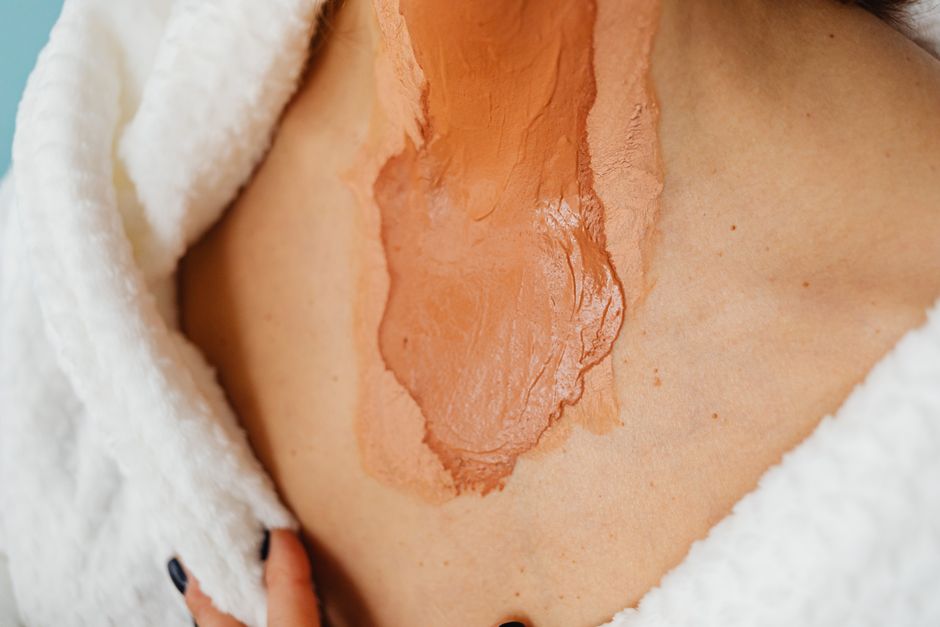
The common mistake is treating windproof makeup like waterproof makeup. Wind does not simply wash foundation away. It pulls moisture from the skin, makes the eyes water, shifts makeup around the nose, and turns too much powder into a dry, cracked film. The best light coverage makeup routine uses less base, more skin preparation, and a finish that can move with your face.
Why wind ruins light coverage makeup
Cold air changes the job of foundation
February wind creates three separate problems: moisture loss, friction, and tears. Cold air holds less moisture than warm air, while moving air speeds evaporation from the skin surface. That can make a dewy tint feel tight within an hour. A scarf or high collar then rubs against the jaw, and watery eyes can break up coverage near the inner corners. A thick foundation may hide the damage for the first few minutes, but it often leaves a heavier patch once the surface dries.
The best verdict for a windy walk
Use a thin, flexible base over well-moisturized skin and keep powder away from dry zones. Light coverage works because it leaves less product for the wind to disturb. Apply sunscreen and moisturizer at least 10 minutes before makeup, press away excess slip with a tissue, then use a pea-sized amount of base only where redness needs help. The goal is not a sealed face. It is a stable surface that still looks like skin after 30 to 60 minutes outside. For most February walks, a satin finish beats a very wet glow or a flat matte layer.
Which light bases handle wind best?

A practical comparison of popular skin tints
The clear winner for a windy February walk is Fenty Beauty Eaze Drop because its natural finish gives combination skin some visual smoothing without relying on a thick powder layer. For dry skin, NARS Pure Radiant Tinted Moisturizer is the better pick if the nose and forehead do not become oily. MAC Studio Radiance is the most convincing choice for people who dislike the feeling of foundation, but it offers less help with visible redness.
Price should not decide the whole purchase
These are cash prices, not promises of value. Buy the shade and formula you can pay for without carrying a balance. This is not financial advice; it is a simple way to keep a winter makeup experiment from becoming an expensive habit.
Five prep mistakes that make wind worse
The routine that prevents most patching
- Applying makeup immediately after skincare. Give moisturizer and sunscreen 10 minutes to settle. A wet surface makes a sheer base slide when wind and scarf friction arrive.
- Using a thick layer to hide one red area. Spot-conceal the cheek or blemish instead. A full extra layer dries faster and shows texture around the mouth.
- Powdering the entire face. Set only the sides of the nose, under-eye crease, and center of the forehead if those areas truly need it. Powder on the cheeks can make cold-weather flakes look sharper.
- Putting a glossy balm over the whole lip. Heavy gloss migrates into the corners in cold air. Use a thin balm first, blot it, and add color only at the center.
- Leaving the house with damp hair or wet lashes. Moisture and wind create more tearing and transfer. Allow mascara and brow gel several minutes to set before walking.
When skipping base is the smarter choice
Do not buy a new skin tint for a single walk if your skin is already irritated, peeling, or reacting to a new cleanser. Skip a dewy formula when the forecast includes strong gusts plus rain, because the extra slip can become streaking around the nose and chin. The best choice in that situation is a familiar, thin base you have already worn for several hours indoors, not a newly purchased product with attractive packaging.
How to apply light coverage for a two-hour walk

Use a short, controlled application
Start with a gentle moisturizer suited to your skin, then apply broad-spectrum sunscreen. Wait 10 minutes. Use half a pump of skin tint for the center of the face and spread outward with clean fingers or a damp sponge. Press rather than rub around the nostrils and upper lip. Add a second half-layer only over redness. This keeps the flexible film thin, which matters because wind moves across the face in uneven bursts instead of applying one steady force.
For the eye area, use less product than you think you need. The inner corner is where tears collect, so a heavy layer there breaks apart first. Place a small amount of concealer on the shadow below the eye, leaving the lash line mostly clear. Curl lashes before mascara, and choose a tubing or water-resistant formula if tearing is a regular problem. A fully waterproof mascara can be harder to remove and may leave the eye area dry, so it is not automatically the better winter choice.
Make the finish match the weather
Use a small brush to set only the crease beside the nose and the middle of the forehead. Leave the cheekbones alone if they feel tight. Press a tissue against the mouth and nose before putting on a scarf, then keep the scarf below the cheek when possible. If you need a mid-walk repair, warm the area with a fingertip, press away the broken makeup, and add a tiny amount of base. Adding fresh product over a dry, lifted patch creates a visible ridge.
My practical verdict: Fenty Eaze Drop gives the most forgiving balance for combination skin, while MAC Studio Radiance wins for a barely-there look. Saie Slip Tint is a good fit for a short, low-friction walk, but its dewier finish demands better prep and can move faster around an oily nose.
Questions to ask before buying a winter skin tint

Will light coverage hide redness?
It can soften mild redness, uneven tone, and small marks, but it will not fully cover a dark blemish without concealer. That limitation is a feature for this use case. Less pigment means less product sitting on the skin and less visible cracking when the cheeks dry out. If you need strong coverage for acne marks or discoloration, buy a reliable spot concealer rather than layering a sheer tint until it behaves like foundation.
Should dry skin choose the dewiest formula?
No. A very glossy finish may look smooth indoors but can shift when tears, scarf friction, or a runny nose enter the picture. Dry skin needs comfort underneath first. Choose a satin or softly radiant finish, apply a small amount, and avoid powder on the flakiest areas. NARS Pure Radiant Tinted Moisturizer is the strongest product choice here because its 1.9-ounce tube gives dry-skin users a flexible, light layer, but it is not the right pick for an oily T-zone.
What is the clearest no-buy signal?
Do not buy a new formula if you cannot test it in daylight, if the shade is difficult to return, or if the finish only looks good after heavy powder. A winter base should survive a 30-minute indoor wear test followed by a short outdoor walk. If it gathers at the nose, stings, or leaves tight patches, the problem is the formula or prep, not a need for more product. The category is moving toward thinner, skin-like bases with better shade ranges and longer wear, but the winning routine will still depend on simple physics: protect the skin, use less product, and let the finish move with the weather.
This is not financial advice. Product prices can change, and a makeup purchase should not be carried at a high APR or allowed to trigger avoidable fees.