


What Responsible Denim Should Solve
The best responsible denim is the pair you wear for years. If your jeans lose their shape after one season, a recycled label cannot rescue the purchase. Start with a simple test: can you picture wearing this pair at least 30 times, repairing it when needed, and passing it on after that?
The first problem is resource use
Denim needs large amounts of cotton, water, energy, dye, and transport. A responsible brand reduces the impact at more than one stage. It may use organic or recycled cotton, cut fabric waste, treat wastewater, reduce washing, or produce closer to its main market. One clever finish does not make an entire supply chain clean.
The second problem is human cost
Jeans pass through spinning mills, dye houses, sewing factories, laundries, warehouses, and stores. Each step involves workers. Look for brands that publish factory information, describe worker protections, or belong to a credible labor program. A vague promise about caring for people is weaker than a factory list, an audited standard, or a repair policy that keeps workers paid after the sale.
What a responsible pair should do
A strong pair balances lower-impact materials with a fit you will keep wearing. It should feel comfortable without excessive stretch, use sturdy stitching, and have a repair route. The clear verdict: choose durable, traceable jeans with a useful aftercare service over disposable jeans made from a fashionable sustainability claim.
How to Spot Honest Denim Claims
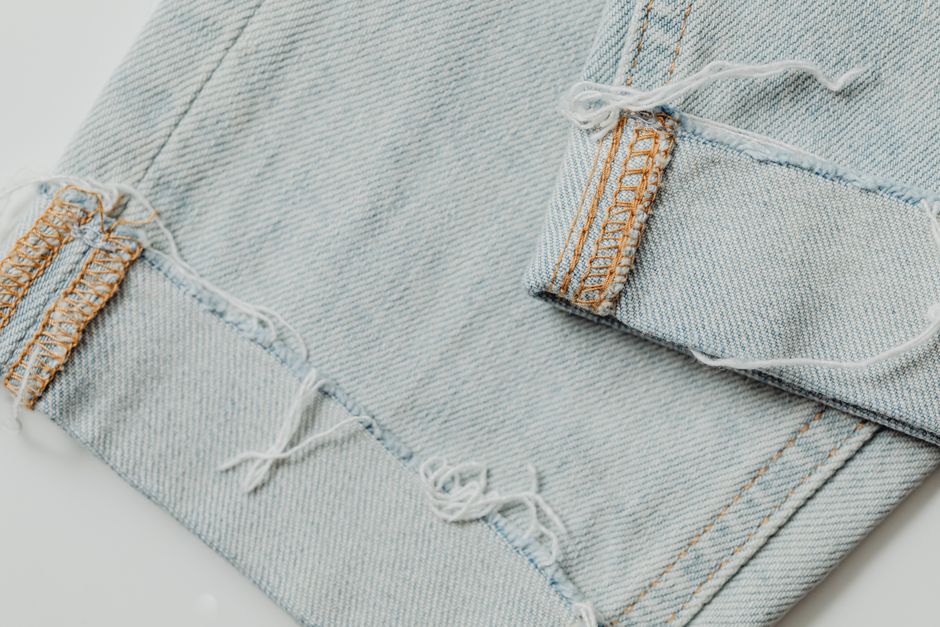
Denim labels can sound impressive while telling you very little. Read them in layers. The fiber label explains the raw material, the care label shows how the garment should be treated, and the brand’s supply-chain page reveals how much detail it is willing to share.
| Claim or detail | What it tells you | What to check next |
|---|---|---|
| Organic cotton | Reduces the use of synthetic pesticides during cotton farming. | Look for a recognized certification such as GOTS, not only a brand statement. |
| Recycled cotton | Uses existing fiber and can lower demand for new cotton. | Check the percentage and whether the fabric still has enough strength. |
| Low-water finish | Can reduce water used during washing or finishing. | Ask if the claim covers one wash, one style, or the whole collection. |
| Fair labor language | Signals attention to wages, safety, and working conditions. | Look for named factories, worker programs, or independent standards. |
| Recyclable or circular denim | Suggests a plan for the garment after use. | Find out how returns work and what happens to collected jeans. |
Certifications still have limits. They do not prove that a pair will last, and they rarely remove every environmental cost. The strongest evidence combines a material percentage, a named standard, factory information, and a practical repair or take-back system. The verdict is simple: reward specific claims you can verify, not green language that has no measurement behind it.
How to Choose Jeans You Will Actually Keep
Use this checklist before buying. It protects your budget as much as the planet.
- Start with the fit. Try sitting, walking, and climbing stairs. A pair that only works while standing will not become a favorite.
- Check the fiber mix. Rigid denim often lasts well, while a small amount of elastane adds comfort. Avoid buying high-stretch jeans one size too small; the fabric can bag out faster.
- Inspect the stress points. Look at the crotch, pocket corners, belt loops, and inner seams. Loose stitching in these areas predicts early failure.
- Choose a useful wash. Dark indigo, black, and medium blue work across more outfits than a heavily distressed seasonal wash. Fewer styling limits mean more wears.
- Measure a pair you already like. Compare the rise, thigh, knee, leg opening, and inseam with the brand’s chart. Waist labels vary widely between brands.
- Plan the aftercare. Find out if the brand repairs denim, sells replacement buttons, accepts returns, or offers a take-back route. A sustainability plan that stops at checkout is incomplete.
Do not buy a responsible pair simply because the label makes you feel responsible. Buy it because the cut works, the construction looks sound, and the brand gives you a realistic way to keep it in use. That combination is the best waste-reduction strategy available to an ordinary shopper.
Which Responsible Denim Brands Deserve Your Money?
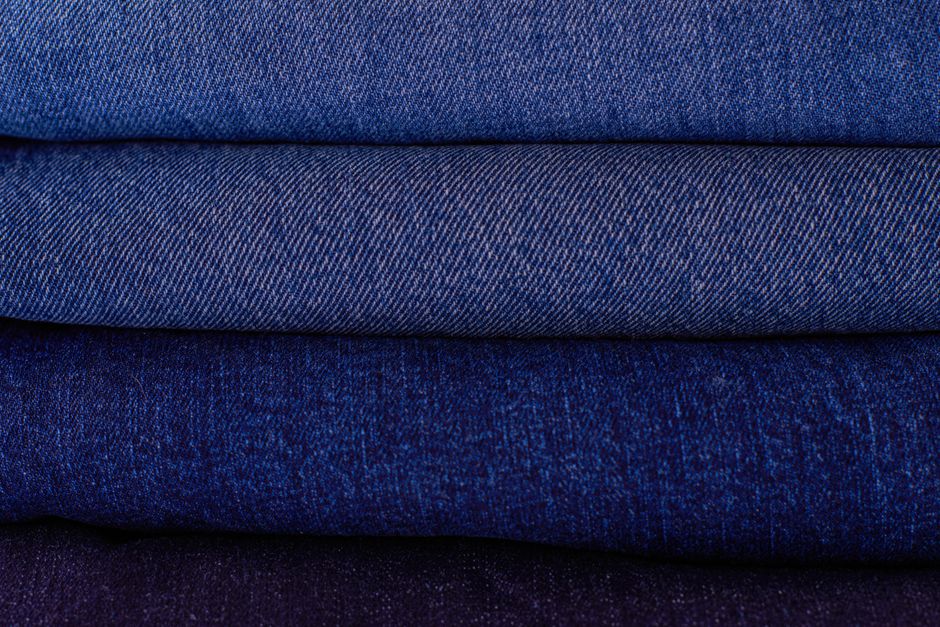
Three brands stand out for different reasons. None is perfect, and each has a different strength. My overall pick for shoppers who want the clearest repair promise is Nudie Jeans.
Nudie Jeans Steady Eddie II for long-term wear
The Nudie Jeans Steady Eddie II usually lists around $200, depending on the wash and market. The fit is relaxed through the seat and thigh, which makes it easier to wear repeatedly than a rigid, restrictive cut. Nudie is known for organic cotton options, transparent production information, and free repair support in many markets. That repair network changes the ownership math: a torn knee does not automatically mean a new purchase. Pick this pair for everyday rotation, especially if you prefer a classic straight silhouette and can justify the higher first cost.
MUD Jeans Regular Dunn for circular denim
MUD Jeans Regular Dunn is commonly priced near $160. The brand focuses on organic and recycled cotton options, uses a circular-denim model, and accepts old jeans through its return system in supported markets. The Regular Dunn is the stronger choice for shoppers who care about material recovery and want a modern straight fit. Check the exact wash before buying because fiber content can vary by style. MUD wins on circular thinking; Nudie wins on the most visible repair culture.
Levi’s 501 Original for a lower entry price
The Levi’s 501 Original often costs about $80 to $100. Selected washes use the brand’s Water<Less finishing approach, which can reduce water used in parts of production. The 501 is not the most transparent option on this list, but its availability, recognizable fit, and lower price make it a practical starting point. Choose it when you need a widely available pair and cannot spend $160 or more. Choose Nudie or MUD when repair, traceability, and circular systems matter more than initial price.
Which Responsible Jeans Offer the Best Value?
Price alone does not show value. A $200 pair worn 150 times can cost less per wear than a $60 pair worn 12 times. Still, shoppers need a clear answer at checkout.
Is Nudie Jeans worth the higher price?
Yes, for a wearer who will use the repair service. The higher price buys stronger aftercare and a brand identity built around keeping jeans in rotation. It is the best value for frequent wear, not for someone who changes styles every few months.
Is MUD Jeans the best option for circular fashion?
Yes. MUD is the best pick for shoppers who want recycled inputs and a take-back pathway in the same purchase. Confirm that the return program operates in your country before treating it as a major benefit.
Is Levi’s the sensible budget choice?
Yes, with limits. The Levi’s 501 Original offers the lowest entry price and easy access to replacement pairs. It becomes a better choice when you buy one pair, wash it less, and wear it for years. It is not the winner for supply-chain detail.
The verdict: buy MUD for circular design, Nudie for repair-led longevity, and Levi’s for accessible pricing. Spending more only makes sense when the product’s support system helps you keep wearing it.
How to Make Denim Last Longer
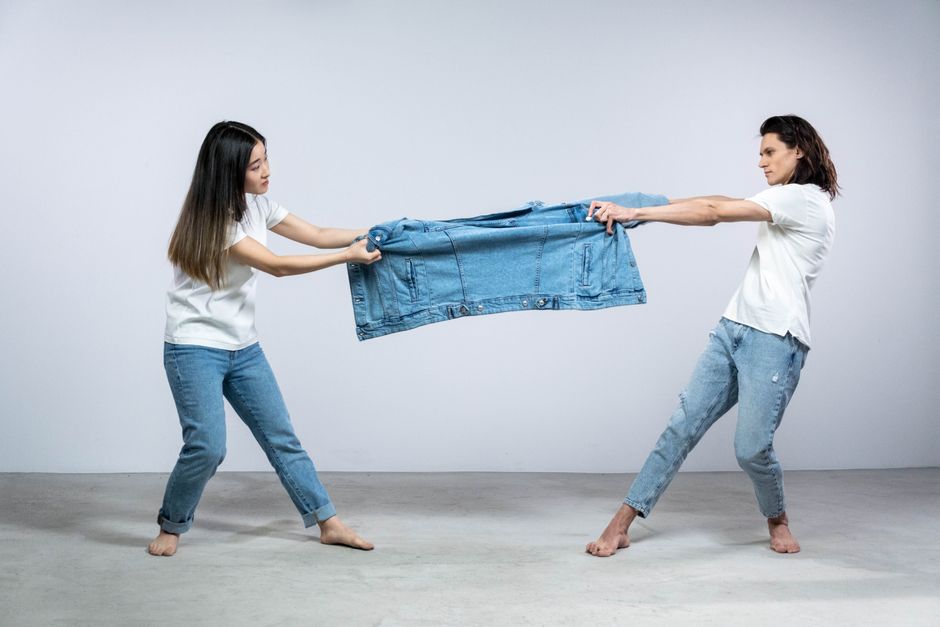
Care is part of responsible denim. The most sustainable jeans are still a poor choice if they are washed after every wear and discarded at the first sign of fading.
Wash less and wash cooler
Air your jeans between wears. When they need cleaning, turn them inside out, use cold or lukewarm water, choose a short cycle, and skip unnecessary fabric softener. A gentle wash protects dye and reduces fiber stress. Follow the care label when the manufacturer gives more specific instructions.
Repair before replacing
Small holes spread quickly at the crotch and pocket corners. Patch them while the surrounding fabric still has strength. A tailor can reinforce a seam, replace a button, shorten an inseam, or reshape a hem. These repairs usually cost less than a new pair and keep the original garment useful.
- Fold jeans loosely or hang them from the waistband.
- Do not overload the pockets; keys and heavy phones pull on seams.
- Rotate at least two pairs to reduce daily stress on one pair.
- Use a low heat setting when tumble drying is allowed.
- Donate only clean, wearable jeans; damaged denim may need textile recycling instead.
Repair is not a failure of the garment. It is proof that the garment has earned continued use. For most shoppers, washing less and fixing small damage will reduce impact more reliably than chasing a new label every season.
The Best Responsible Denim Pick for Each Shopper
The right recommendation depends on the job the jeans must perform, but the choices can still be decisive.
Best for a repair-first wardrobe: Nudie Jeans Steady Eddie II
Pick the Steady Eddie II if you want a relaxed straight fit, organic cotton options, and a brand with a strong repair reputation. Around $200, it suits someone building a small wardrobe and wearing the same jeans several times each week. It is my top overall choice because its support after purchase is unusually easy to understand.
Best for circular-fashion shoppers: MUD Jeans Regular Dunn
Pick the Regular Dunn if recycled materials and a take-back system matter most. At roughly $160, it costs more than basic mall denim but gives the purchase a clearer connection to material recovery. Confirm local return details and check the exact wash composition before ordering.
Best for a tighter budget: Levi’s 501 Original
Pick the 501 Original if you need a familiar, widely available fit near the $80-$100 range. Choose a simple wash, avoid excessive distressing, and treat the Water<Less label as one positive feature rather than proof that every part of the supply chain is low impact.
The single most important takeaway: choose responsible denim you will wear often, repair when needed, and keep out of the waste stream for as long as possible.