


I used to stand in front of a closet stuffed with 80+ pieces and still feel like I had nothing to wear. Every morning was a 25-minute negotiation with myself — does this blazer match those trousers? Is this shirt wrinkled? Why did I buy that floral top I never wear? So I tried something drastic. I pulled every work item out, donated or sold 60 pieces, and committed to exactly 20 items for 6 months. The results surprised me.
The Rules I Set for Myself (and Why They Matter)
Before I touched a single hanger, I wrote down constraints. No rules = no discipline. Here’s what I locked in:
- No duplicates. One black blazer, one navy blazer. Not three.
- Every piece must pair with at least 3 others. A skirt that only works with one top? Gone.
- No dry-clean-only fabrics. If it required special care, it didn’t make the cut. This eliminated 12 pieces immediately.
- Color palette: navy, black, cream, charcoal, one accent (burgundy). That’s it.
The rule about dry-cleaning alone saved me roughly $100/month. That’s $1,200 a year I wasn’t spending on trips to the cleaner.
I also banned myself from buying anything new for the first 90 days. The goal wasn’t to shop. It was to prove that what I already owned could work.
What I Actually Kept: The Exact 20 Pieces
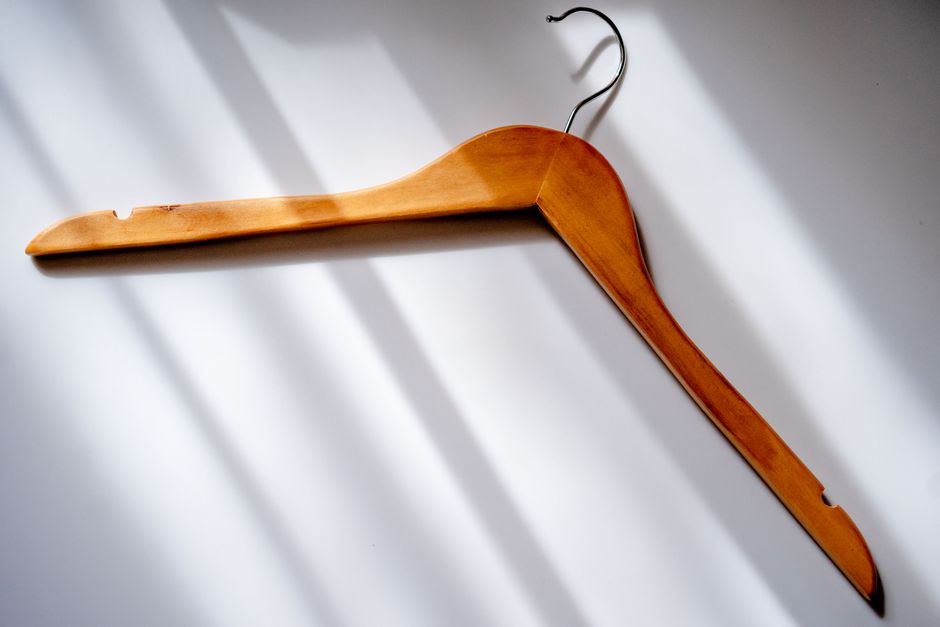
Here’s the breakdown. I categorized by type, not brand, because the system matters more than the label.
| Category | Items | Specific Examples |
|---|---|---|
| Blazers | 2 | Everlane Italian Stretch Blazer (navy), Theory Sculptura (black) |
| Trousers | 3 | Uniqlo Smart Ankle Pants (navy, black, charcoal) |
| Skirts | 2 | Madewell Midi Skirt (burgundy), COS A-line (black) |
| Blouses/Shirts | 5 | Equipment silk blouse (cream), Gap cotton button-down (white), Uniqlo linen (black), Everlane cotton tee (navy), COS knit shell (charcoal) |
| Knitwear | 3 | Uniqlo cashmere crew (navy), J.Crew merino turtleneck (black), COS wool cardigan (charcoal) |
| Dresses | 2 | Universal Standard Seville dress (black), H&M jersey wrap (navy) |
| Shoes | 3 | Rothy’s pointed flat (black), Everlane leather loafer (tan), Sam Edelman block heel pump (nude) |
Total: 20 items. Everything fits in one closet rod and one shoe rack. No overflow. No back-of-closet graveyard.
How My Mornings Changed (The Measurable Difference)
Before the experiment, I timed my morning routine for one week. Average: 42 minutes from alarm to out the door. After the 20-item system stabilized (around week 3), I timed it again. Average: 18 minutes. That’s 24 fewer minutes per day, 120 minutes per week, roughly 96 hours per year.
Two things made the biggest difference. First, I stopped deciding what to wear. I picked a base — trousers or skirt — then grabbed the top that matched. No browsing. No second-guessing. Second, I eliminated the “does this need ironing?” check. Every fabric in my 20-item set is machine washable and wrinkle-resistant. The Equipment silk blouse is the exception, but I hang it in the bathroom during my shower. Steam does the work.
I also stopped losing things. When you own 20 items, you know exactly where everything is. That black blazer isn’t buried under a pile of impulse buys. It’s hanging right between the navy blazer and the cardigan.
The Financial Math: What I Actually Saved

I tracked spending for 6 months before and during the experiment. Here are the numbers:
- Clothing purchases: $620 before vs. $85 during (one replacement pair of trousers when the Uniqlo ones wore out).
- Dry cleaning: $480 before vs. $60 during.
- Impulse buys from email marketing: $210 before vs. $0 during (I unsubscribed from 47 mailing lists).
- Total 6-month savings: $1,165.
The real cost of a cluttered wardrobe isn’t the clothes. It’s the time spent managing them, the dry-cleaning bills, and the constant feeling that you need something new. A 20-item wardrobe eliminates all three.
The Mistakes That Almost Broke the System
I made three errors in the first month. Learn from them.
Mistake 1: I kept one “maybe” piece. A silk camisole that only worked with one specific skirt. I wore it once in 6 months. That one piece created friction — I’d see it, think “I should wear that,” then waste time trying to make it work. The rule should be zero exceptions. If a piece doesn’t have at least 3 pairings, it’s out.
Mistake 2: I ignored seasonal shifts. My 20 items were all fall-weight. When summer hit with 90-degree days, the trousers and knits were unwearable. I had to swap 4 items (two knits, one blazer, one skirt) for lighter alternatives. Next time, I’ll run a summer version and a winter version, each at 20 items.
Mistake 3: I bought cheap replacements. When the Uniqlo trousers wore out after 4 months, I replaced them with a $25 pair from a fast-fashion site. They looked fine for 2 weeks, then the seams frayed. I ended up buying the Uniqlo pair again ($49). Cheap replacements cost more in the long run. Stick with the proven items.
When a 20-Item Wardrobe Won’t Work for You

This system isn’t universal. Here’s when it fails.
If your job requires frequent formal events. Black-tie galas, client dinners with dress codes, or industry awards require a separate set. The 20-item system works for daily office wear, not for one-off formal obligations. Budget for a separate “event capsule” of 3-4 pieces.
If you live in extreme climates. Minnesota winters and Arizona summers demand different fabrics. You can’t do 20 items year-round. You need seasonal rotation. The solution: 20 items for each season, stored separately.
If you’re still figuring out your personal style. A capsule wardrobe locks you into a look. If you’re experimenting with trends, 20 items will feel restrictive. Wait until you’ve settled into a consistent aesthetic. Then curate.
How to Build Your Own 20-Item Work Wardrobe (Without Regret)
Start with a 30-day audit. Wear everything in your closet once. Note what you actually reach for and what sits untouched. After 30 days, you’ll have a clear picture of your core 10-12 pieces. Then fill the remaining slots intentionally.
Buy for the system, not the item. When I replaced the Uniqlo trousers, I didn’t just look for “nice pants.” I asked: does this pair with my 3 blazers, 2 skirts, and 5 blouses? If the answer was no for any of those, I passed.
Set a budget for maintenance. I now allocate $50/month for wardrobe upkeep — replacing worn items, minor repairs, one seasonal swap. That’s $600/year. It’s less than I used to spend on impulse purchases alone.
The 20-item wardrobe isn’t about deprivation. It’s about removing the noise so you can focus on what matters — your work, your morning, your money. Six months in, I’m not going back.