Understanding the Basics of Accessorizing
Accessories are more than just add-ons—they’re essential pieces that complete your outfit and express your personal style. Think of accessories as the finishing touches that elevate your look, whether it’s a watch, scarf, belt, or statement jewelry. They add personality, help balance proportions, and inject color or visual interest, turning a simple outfit into something memorable.
For beginners, starting simple is the key to building confidence. By mastering a few basic accessories, you can learn how to complement your clothes without overwhelming your look. Once you feel comfortable, you’ll be ready to explore more daring trends and bold pieces. Remember, accessorizing right means using these elements thoughtfully to style bright and lift your everyday outfits effortlessly.
Tip 1: Start with Balance – Less Is More
When learning
how to accessorize outfits, the golden rule is to keep it simple. For beginners, limit yourself to
2–3 accessories per outfit. This helps you avoid a cluttered look and builds confidence as you develop your style.
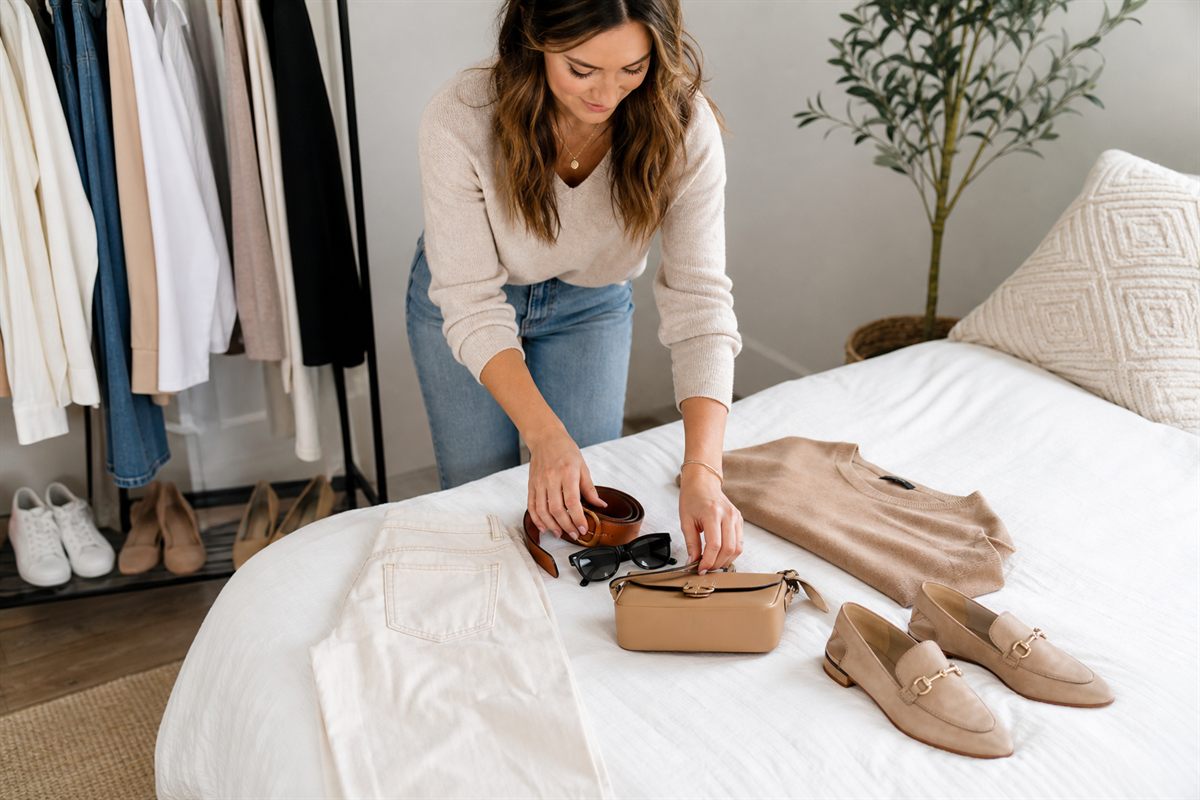
Focus on one statement piece that draws attention—this could be a bold necklace, an eye-catching bag, or a standout bracelet. Then,
support it with subtle accessories like dainty earrings, a classic watch, or a thin belt. This balance adds personality without overwhelming your outfit.
| Accessory Strategy |
Example |
Why It Works |
| One statement piece |
Bright necklace with neutral top |
Focal point adds interest |
| Subtle support |
Simple studs and slim watch |
Keeps look polished and refined |
| What to avoid |
Multiple bold pieces and clashing colors |
Creates a messy, unbalanced look |
Consider a neutral outfit—think white, black, beige—with one pop of color in a handbag or scarf. This is an easy way to elevate your look without overdoing it. Avoid piling on multiple bold accessories at once, which can distract and clash.
Pro tip: Follow Coco Chanel’s timeless advice—
“Before you leave the house, look in the mirror and take off one accessory.” This simple step guarantees a more balanced, chic look every time.
By mastering the art of minimal accessorizing, you\’ll not only create polished ensembles but also lay a solid foundation for experimenting with more complex styles later on.
For more outfit ideas that embrace classic balance, check out these
everyday outfit ideas.
Tip 2: Master Color and Contrast for a Bright Style
Accessories are your secret weapon to add vibrancy and life to any outfit. The easiest way to brighten up your look is by pairing bold or bright accessories with neutral bases—think a striking handbag, colorful scarf, or vibrant statement earrings against a simple outfit. This contrast instantly elevates your style without overwhelming your look.
When it comes to color coordination, start by matching metals—stick to either gold, silver, or rose gold for a cohesive feel. Use the color wheel as a guide: complementary colors (opposites on the wheel) make bold pops, while analogous colors (next to each other) create harmony.
Knowing when to go bold or keep it subtle is key:
- Monochromatic outfits (all one color) benefit hugely from a splash of statement color, like a red belt with an all-black look.
- Patterned clothes work better with neutral accessories to avoid clashing and visual overload.
A few examples:
- Add a colorful scarf to an all-black ensemble for instant brightness.
- Pair metallic jewelry with pastel shades to add soft shine and interest.
Here’s a beginner hack: start with one colorful accessory. That single piece will give your outfit an eye-catching pop and help build your confidence in adding color and contrast gradually. For more everyday outfit inspiration, check out these
spring outfit ideas to see how color and accessories work hand-in-hand.
Tip 3: Consider Proportion, Occasion, and Personal Style
Accessorizing right means thinking about proportion, the occasion, and your own style. Scale your accessories to fit your outfit and body shape—for sleek, streamlined looks, go for delicate pieces like thin chains or small studs. If your outfit has more volume or texture, don’t be afraid to use oversized accessories like chunky bracelets or big bags to balance it out.
Match your accessories to the occasion: keep it minimal and polished for work, add some playful or colorful touches for casual outings, and choose elegant, refined pieces for evenings or special events. This approach makes sure your look always feels appropriate and put-together.
Next, stay true to your personal style. Whether you lean toward minimalist, boho, or classic vibes, find accessories that feel authentic to you—this will boost your confidence and make styling easier. For example, long necklaces perfectly complement V-necks, while belts can define your waist and add shape to dresses or oversized shirts.
A handy styling tip is using the same base outfit and switching accessories to transition from day to night. A simple dress can go from office-appropriate with a thin belt and modest earrings to evening-ready with statement jewelry and a bold clutch.
For more outfit inspiration and styling ideas, check out these
recent outfits I’m loving, which showcase how accessories can elevate everyday looks while staying true to personal style.
By paying attention to proportion, occasion, and personal taste, you’ll build a versatile and stylish accessory wardrobe that effortlessly enhances your outfits.
Common Beginner Mistakes and How to Avoid Them
When learning how to accessorize outfits, beginners often fall into a few common traps that can dull their style instead of elevating it. Here’s what to watch out for and how to avoid these mistakes:
- Over-accessorizing: It’s tempting to pile on every accessory you own, but too many pieces can create a cluttered, overwhelming look. Stick to the rule of thumb—limit yourself to 2–3 accessories per outfit. Remember Coco Chanel’s advice: always remove one piece before you walk out the door.
- Clashing metals or colors: Mixing gold and silver or piling on too many bold hues can clash and confuse your overall look. Try to match your metals or use the color wheel to create harmonious pops of color. If your outfit is already bold or patterned, keep accessories neutral to balance things out.
- Ignoring outfit necklines and proportions: Accessories should complement your clothing shape, not compete with it. For example, long necklaces pair well with V-necks, while chunky belts work great to define your waist. Missing these cues can make your outfit feel off.
- Forgetting comfort and confidence: No accessory should make you uncomfortable or feel “off.” If a piece doesn’t feel authentic to your personal style or weighs you down, it’s better left out. Confidence is the best accessory you can wear.
Avoiding these pitfalls will make your journey into jewelry styling for beginners smoother and more enjoyable, helping you build a balanced and personalized accessory collection that truly enhances your everyday outfit ideas.
Building Your Accessory Wardrobe on a Budget
Starting your accessory collection doesn’t have to break the bank. Focus on essential starter pieces that are versatile and timeless, like simple earrings, a classic necklace, a good belt, a neutral scarf, and a reliable bag. These basics can elevate many outfits and fit with different styles, giving you a solid foundation without overwhelming your budget.
When buying accessories, balance investment items with trendy pieces. Invest in quality staples—like a well-made belt or a leather bag—that last beyond seasons. For statement jewelry or seasonal scarves, choose affordable, on-trend items to keep your look fresh without overspending.
For beginners looking to shop smart, explore a mix of online stores and local shops known for quality and value. You’ll find great beginner-friendly options that combine style and price, especially during sales or by scouting minimalist brands that focus on lasting design. For example, checking out seasonal accessory trends from trusted fashion sources helps you stay updated without buying too many fast-fashion pieces.
For inspiration on adding standout bags to your wardrobe, take a look at the latest in
leopard print bags —a trendy twist that can complement your basics effortlessly.
Building your accessory collection slowly with thoughtful pieces helps you confidently accessorize outfits day after day, discovering your personal style without the guesswork.
FAQs: Accessorizing Tips for Beginners
How many accessories should a beginner wear?
Start simple with 2 to 3 accessories per outfit. Focus on one statement piece—like a bold necklace or bag—and balance it with subtle items such as small earrings or a watch. This keeps your look polished without feeling cluttered.
Can I mix metals or colors?
Yes, but with care. Matching metals like gold or silver creates a clean look, while mixing metals can add interest if done thoughtfully. For colors, use the color wheel as a guide: combine complementary tones for harmony or keep accessories neutral when wearing bold patterns.
What if my outfit is already bold?
When your clothes are vibrant or patterned, tone down accessories by choosing minimalistic, neutral pieces. This balances the look and avoids overwhelming your style. For example, pair colorful prints with simple metallic jewelry or a plain belt.
Quick ways to accessorize basic jeans and a tee
Elevate this simple combo by adding a statement scarf, a stylish belt, or layered necklaces. A bright bag or trendy sunglasses also add instant polish without much effort. For more ideas, check out tips on
10 ways to wear a chambray—the same principle applies for upgrading basics with accessories.