


The retail industry operates on a cycle of planned obsolescence and inventory churn that often obscures the genuine value of a well-constructed garment. When navigating the landscape of “best blazers on sale,” the most effective strategy is to ignore the loud percentage-off stickers and focus entirely on the fiber content and internal construction. A 70% discount on a polyester-blend garment from a fast-fashion retailer is rarely a bargain because the structural integrity of the piece will likely fail within a dozen wears. Conversely, finding a half-canvassed, 100% wool blazer at 30% off represents a significantly higher long-term value. Data from resale markets suggests that high-quality wool blazers from mid-tier heritage brands retain approximately 40% of their value after three years, whereas fused, synthetic alternatives drop to nearly zero. The goal is to identify garments where the markdown brings the price point closer to the actual cost of materials and labor, rather than just clearing out low-quality inventory.
How to evaluate blazer quality during seasonal sales
When browsing the sale section of high-end or mid-tier retailers, the sheer volume of options can be overwhelming. To find the best blazers on sale, you must look past the styling and examine the technical specifications. The primary indicator of a blazer’s longevity and drape is its construction—specifically, whether it is canvassed, half-canvassed, or fused. Fused blazers use a heat-activated adhesive to attach an interlining to the outer fabric. While this is cheaper to produce, it often results in a stiff, unnatural drape and can lead to “bubbling” on the lapels after a few trips to the dry cleaner. A canvassed or half-canvassed blazer uses a layer of horsehair or wool between the lining and the outer shell, allowing the garment to mold to your body over time. You can test this by performing the “pinch test”: pinch the fabric below the bottom buttonhole, pulling the outer layer and the inner lining apart. If you feel a third, floating layer in between, the jacket is canvassed.
Fabric choice is the next critical variable. During sales, retailers often try to move “fashion blends”—fabrics that mix wool with significant amounts of polyester, nylon, or acrylic. While a small amount of stretch (1-2% elastane) can be functional for those with active commutes, any synthetic content above 20% generally signals a cost-cutting measure that will compromise breathability and cause the fabric to develop a “sheen” over time. Look for terms like “Super 100s wool,” “Hopsack,” or “Italian flannel.” These indicate a higher level of yarn refinement. A Super 100s wool refers to the fineness of the wool fiber; the higher the number, the finer and softer the fabric, though anything above 150 becomes too delicate for daily wear and prone to tearing. Choosing a sale blazer with a reputable fabric mill name—such as Vitale Barberis Canonico, Reda, or Loro Piana—is a reliable shortcut to ensuring quality, as these mills have strict standards for tensile strength and colorfastness.
Key Indicators of a High-Value Sale Find
- Natural Linings: Look for Bemberg, Cupro, or Viscose. These are breathable, semi-synthetic fibers derived from cellulose. Unlike polyester, which creates a “sauna effect” by trapping body heat, Bemberg is moisture-wicking and anti-static, ensuring the blazer slides easily over your shirt.
- Functional Buttonholes: While “surgeon’s cuffs” make tailoring more difficult, they are traditionally a hallmark of higher-end construction. However, for a sale purchase, non-functional buttons are often preferable as they allow for easier sleeve length adjustments without the prohibitive cost of moving buttonholes.
- Pick Stitching: Look for small, slightly uneven stitches along the edge of the lapel and pockets. While modern machines can mimic this, it often indicates a higher level of attention to detail and a slower production process, typically reserved for better-quality garments.
- Pattern Matching: On a high-quality checked or striped blazer, the patterns should align perfectly at the shoulder seams, the pockets, and the back seam. Misaligned patterns are a clear sign of rushed, low-cost manufacturing.
Top wool and wool-blend blazers currently discounted
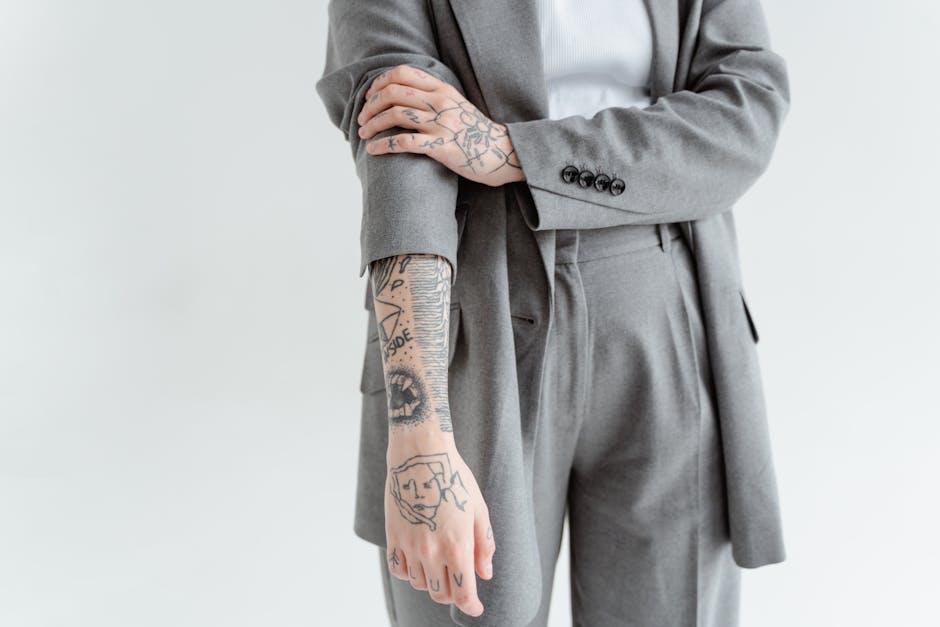
Several retailers consistently offer substantial discounts on their core blazer lines during end-of-season transitions. The following models represent the best balance of price and performance based on material analysis and user feedback. It is often better to wait for a 25-40% discount on these specific models than to buy a cheaper alternative at full price, as the “cost per wear” will be significantly lower over a five-year period.
| Brand & Model | Typical Sale Price | Primary Material | Construction Style | Best For |
|---|---|---|---|---|
| J.Crew Ludlow Slim-fit | $220 – $290 | 100% Italian Wool | Half-Canvas | Athletic/Slim Frames |
| Everlane The ’80s Blazer | $115 – $140 | Tencel / Linen Blend | Unstructured | Casual/Summer Wear |
| Arket Hopsack Blazer | $130 – $170 | 100% Wool | Fused (High Quality) | Travel & Versatility |
| SuitSupply Havana | $290 – $350 | S110s Merino Wool | Half-Canvas | Modern Professional |
| Spier & Mackay Neapolitan | $240 – $310 | Australian Merino | Half-Canvas | Traditional Elegance |
J.Crew Ludlow Slim-fit Blazer
The Ludlow has been a staple of the mid-market for over a decade. Its frequent inclusion in site-wide sales makes it one of the most accessible high-quality blazers on the market. The use of Italian wool from the Tollegno 1900 mill provides a sophisticated texture that punches above its weight class. Specs: 2.5-inch lapels, Bemberg lining, dual back vents. Pros: The half-canvas construction ensures the chest piece won’t lose its shape over time. Cons: The lapels are notoriously narrow, which may feel dated as wider lapel trends return to the mainstream.
Everlane The ’80s Blazer
For those seeking a more relaxed, contemporary silhouette, Everlane’s oversized options frequently hit the sale rack. This blazer is less about formal structure and more about drape. Specs: 95% Tencel Lyocell, 5% Linen, dropped shoulders, unlined body. Pros: The Tencel and linen blend offers exceptional breathability for transitional weather and a soft, silk-like hand feel. Cons: The lack of internal structure means it can look rumpled easily, requiring more frequent steaming than a traditional wool blazer.
Arket Hopsack Blazer
Arket, a subsidiary of the H&M group, focuses on higher-end materials and more transparent sourcing. Their hopsack blazer is a standout for its versatility. The open weave of the hopsack fabric makes it naturally resistant to wrinkling. Specs: 275 GSM wool weight, regular fit, three-button closure (3-roll-2 style). Pros: Excellent value for 100% wool at the $150 price point; the fabric is durable enough for daily commuting. Cons: The sizing is European and tends to run narrow through the shoulders and chest, often requiring buyers to size up.
Calculating the real cost: Tailoring versus sale savings
A blazer on sale is only a bargain if it fits, or if it can be made to fit for a reasonable fee. Many shoppers make the mistake of buying a blazer that is two sizes too large simply because the discount is steep (e.g., “It’s a $1,000 blazer for $200!”). This is a strategic error. Tailoring costs can quickly negate any savings found on the price tag. When evaluating a sale blazer, the most important area to check is the shoulders. Altering the shoulders of a blazer is an invasive, expensive procedure that involves deconstructing the sleeve head and the chest piece. This often costs between $100 and $200, and even then, the results are frequently unsatisfactory. If the shoulder seam does not align with your natural shoulder break, leave the garment on the rack.
Other alterations are much more cost-effective and should be factored into your “sale budget.” Shortening or lengthening sleeves (if there is enough “let-out” fabric inside the cuff) usually costs between $30 and $50. Taking in the waist to create a more tapered look—often called “waist suppression”—is a standard adjustment that costs roughly $40 to $60. When you find a blazer on sale for $200 that originally retailed for $400, you have a $200 “budget” for tailoring. Spending $100 of that to get a perfect fit still leaves you $100 ahead, resulting in a garment that looks significantly better than a $400 blazer worn off the rack. The math favors the patient buyer who accounts for these secondary costs before reaching the checkout counter.
Always check the sleeve construction before buying. If the blazer has functional buttonholes (surgeon’s cuffs), shortening the sleeves more than half an inch becomes nearly impossible without moving the buttons and leaving visible holes in the fabric. If you have shorter arms, look for non-functional buttons.
The difference between retail sales and outlet inventory
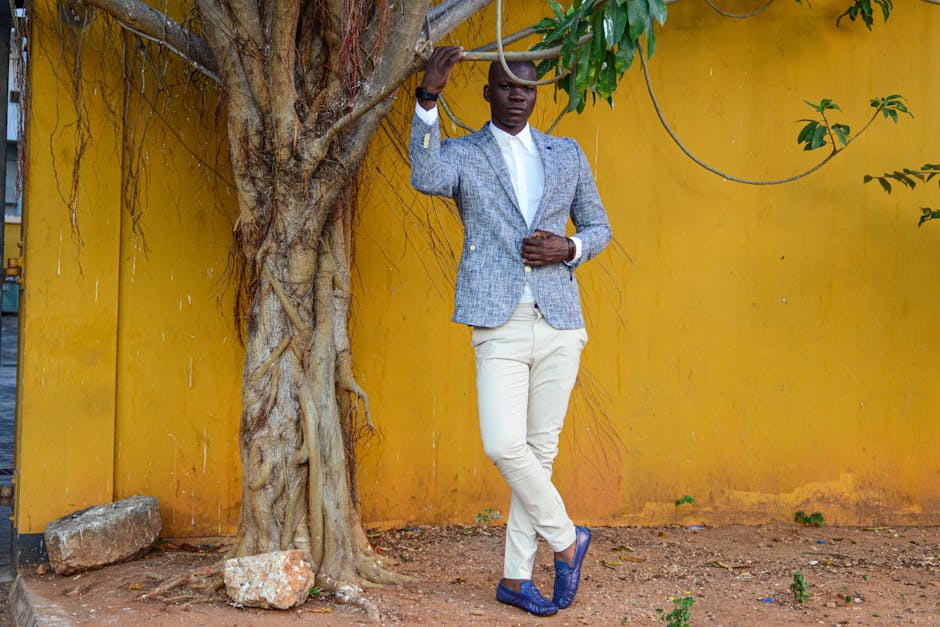
A significant trap in the world of discounted blazers is the distinction between a genuine sale at a retail store and “made-for-outlet” inventory. Brands like J.Crew, Banana Republic, and Brooks Brothers have outlet divisions that produce garments specifically for their factory stores. These items are rarely, if ever, sold at the main retail locations. While they may look similar to the mainline products, the quality is substantially lower. For example, a mainline J.Crew Ludlow blazer will feature Italian wool and a half-canvas chest piece, while a J.Crew Factory blazer will likely be fused and use a lower-grade wool-polyester blend that lacks the same depth of color and breathability.
To identify these items, look at the labels. J.Crew Factory items often have two small diamonds or dots under the brand name on the neck label. Banana Republic Factory uses three small diamonds. Brooks Brothers outlet items often use the “346” label rather than the “1818” or “Golden Fleece” labels. These garments are not “on sale” in the traditional sense; they are priced exactly where their quality suggests they should be. If you are looking for the best blazers on sale, your goal is to find the mainline products that have been marked down to clear space for new collections. These are the pieces that offer the high-end construction and premium fabrics that will actually last for years. The “original price” listed on an outlet tag is often a fiction designed to make the current price seem like a steal.
Strategic Maintenance: Protecting your investment
Once you have secured a high-quality blazer on sale, the focus shifts to preservation. The most common mistake owners make is over-cleaning. Dry cleaning uses harsh chemicals (perchloroethylene) that strip the natural oils (lanolin) from wool fibers, making them brittle and prone to breaking. Unless you have spilled something significant on the garment, a blazer should only be dry cleaned once or twice a year. For routine maintenance, invest in a high-quality horsehair garment brush. Brushing the blazer after each wear removes surface dust and food particles that can settle into the weave and act like sandpaper, wearing down the fibers over time.
Storage is equally important. Never use the thin wire hangers provided by dry cleaners; these will puck the shoulders and ruin the silhouette of the jacket. Instead, use a wide, contoured cedar hanger. Cedar provides the dual benefit of absorbing moisture and repelling moths, which are attracted to the proteins in wool. Additionally, allow your blazer to “rest” for at least 24 hours between wears. Wool is a natural fiber that needs time to shed wrinkles and release moisture. By rotating your blazers, you allow the internal canvas to dry out and return to its original shape, effectively doubling the lifespan of the garment.
Seasonal timing and fabric weights for maximum value
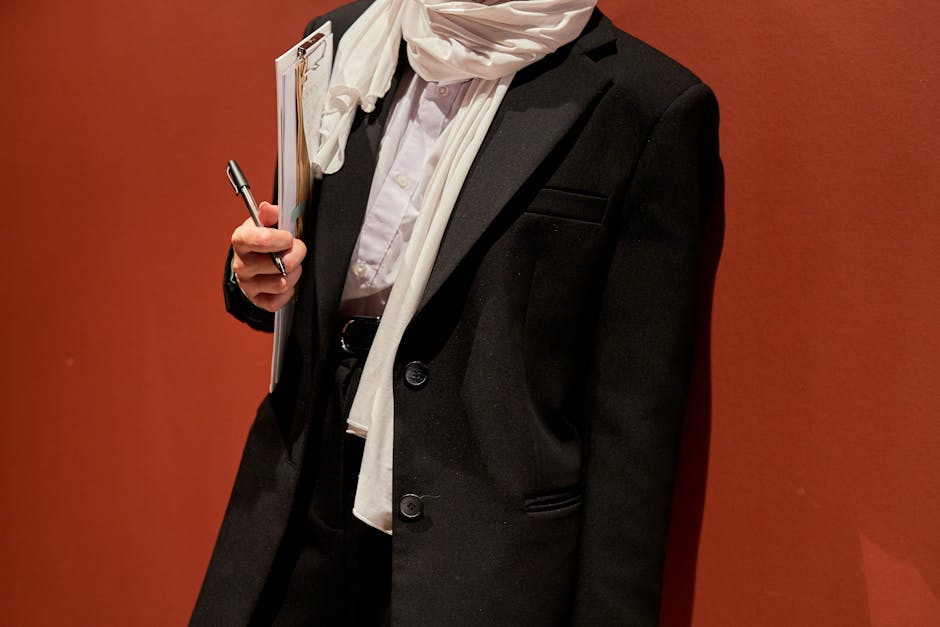
Timing is the final element of a successful blazer search. The deepest discounts on heavy wool, tweed, and flannel blazers occur in late January and February, as retailers prepare for spring arrivals. Conversely, linen, seersucker, and lightweight unlined blazers go on sale in late July and August. If you are building a foundational wardrobe, the best value is often found in “year-round” weights. A mid-weight wool (roughly 250-280 grams per meter) can be worn in almost any climate except the height of summer or the depths of winter.
Researching fabric weaves can also help you find hidden gems. A navy hopsack blazer is perhaps the most versatile garment a person can own, as it can be dressed up with trousers or down with denim. Because it is a staple item, it rarely goes on deep discount in classic colors. However, if you can find a hopsack blazer in a slightly off-beat shade—like a mid-blue, forest green, or charcoal—you can often snag it at a much lower price point during seasonal clearances. The fabric performance remains the same, but the seasonal color rotation works in your favor. By understanding the lifecycle of retail inventory and the technical aspects of garment construction, you can move away from impulse buying and toward a curated collection of high-quality blazers that will serve you long after the current sales cycle has ended.
The Silhouette Spectrum: Choosing the right cut for your frame
Even the most expensive blazer will look poor if the silhouette doesn’t complement your body type. When shopping sales, you will often encounter three primary cuts: Slim, Regular (or Classic), and Relaxed. Slim-fit blazers feature a higher armhole and a shorter jacket length, which works well for shorter or leaner individuals but can “pinch” on those with broader shoulders. The higher armhole is actually a sign of better tailoring, as it allows for a greater range of motion without the entire jacket lifting up when you move your arms. However, if the armhole is too high, it will cause discomfort in the underarm area.
The “Regular” or “Classic” fit is more forgiving and often features a lower gorge (the point where the lapel meets the collar) and a more traditional length that covers the seat of the trousers. This is the safest bet for professional environments. Recently, the “Relaxed” or “Oversized” fit has gained popularity in fashion-forward circles. These blazers often feature “unstructured” construction, meaning they have no shoulder pads and little-to-no internal lining. These are excellent for casual settings but require a certain level of styling confidence to avoid looking like the garment is simply the wrong size. When buying an unstructured blazer on sale, ensure the chest still fits relatively close to the body; “relaxed” should mean a lack of padding, not a lack of shape.