


Most men think any jacket labeled ‘waterproof’ will keep them dry. Wrong. Most ‘waterproof’ jackets are junk. They’ll keep you dry for ten minutes, maybe. Then you’re just a soggy mess with an expensive piece of nylon doing nothing. It’s a common misconception, and frankly, a waste of money. Real rain protection isn’t about marketing fluff; it’s about specific materials, construction, and design. You need a raincoat that works, period. This isn’t about staying somewhat dry; it’s about being bone-dry when it matters.
The Waterproof Lie: What "Waterproof" Really Means
Let’s get this straight: most jackets claiming to be waterproof are lying to you. Or at least, they’re being incredibly misleading. There’s a huge difference between ‘water resistant’ and truly ‘waterproof.’ Water resistance means a light drizzle might bead off for a bit. True waterproofing means you can stand in a downpour for hours and not feel a single drop seep through. The distinction is critical. Don’t fall for vague terms; demand real performance.
The benchmark for waterproofing is materials like GORE-TEX. Anything less is a compromise, and often, a bad one. These advanced membranes have billions of tiny pores, too small for water droplets to pass through, but large enough for water vapor (sweat) to escape. That’s the holy grail: dry inside and out. Cheaper jackets often rely solely on a DWR coating, which is fine for a quick dash, but it wears off and won’t stand up to serious rain. You need a barrier, not just a repellent.
DWR Isn’t Enough: Surface Treatment vs. Membrane
Durable Water Repellent (DWR) is a surface treatment. It makes water bead up and roll off the fabric. Great, right? For about five washes, maybe. DWR wears off, gets dirty, and eventually stops working. When that happens, the face fabric ‘wets out.’ It gets saturated, blocks breathability, and makes the jacket feel heavy and cold. A DWR coating is a bonus, not the main event. The real work is done by the waterproof membrane underneath, whether it’s GORE-TEX, a proprietary membrane like The North Face’s DryVent, or Columbia’s Omni-Tech. Without a robust membrane, DWR is just window dressing. Focus on the core technology, not just the surface.
Seam Sealing: The Unseen MVP of Dryness
A waterproof fabric is useless if the seams leak. Think about it: every stitch hole is a potential entry point for water. That’s why properly sealed seams are non-negotiable for a truly waterproof garment. Look for jackets with ‘fully taped seams.’ This means a waterproof tape is applied over every seam on the inside of the jacket, creating an impenetrable barrier. ‘Critically taped seams’ means only the most exposed seams (like shoulders and neck) are taped, which is better than nothing, but still a weak point in heavy rain. If a jacket doesn’t explicitly state ‘fully taped seams,’ assume it will leak where the fabric is joined. It’s a small detail that makes a huge difference between being wet and staying dry.
Choosing Your Armor: Factors Beyond "Waterproof"

Beyond the simple ‘is it waterproof?’ question, you need to consider how a raincoat performs in the real world. A jacket might keep you dry, but if you’re sweating buckets inside or it rips on the first snag, it’s not doing its job. Think about your actual needs: are you commuting to an office, hiking a mountain, or just running errands? These scenarios demand different priorities. Don’t just grab the cheapest thing with a ‘waterproof’ tag. Consider the full picture.
A raincoat isn’t just about keeping water out; it’s about comfort, longevity, and functionality. A super rugged, heavy-duty jacket is overkill for city streets and will feel like wearing a sauna. Conversely, a lightweight, minimalist shell won’t survive a bushwhack in the backcountry. Prioritize what matters most for your specific use. Breathability and durability often come at a premium, but they are worth every cent if you want a piece of gear that actually performs and lasts. Ignoring these factors leads to buyer’s remorse and, more importantly, a miserable wet experience.
Breathability Ratings: Don’t Sweat the Small Stuff (Unless It’s Your Own)
A truly waterproof jacket without breathability is just a fancy trash bag. You’ll stay dry from the outside, but you’ll be soaked from your own sweat on the inside. Breathability is measured in grams per square meter (g/m²) per 24 hours, indicating how much water vapor can pass through. A rating of 10,000 g/m² is decent for light activity, but for anything strenuous, you want 20,000 g/m² or higher. GORE-TEX Pro, for instance, offers exceptional breathability. High breathability prevents that clammy, uncomfortable feeling and helps regulate your body temperature. If you’re active, prioritize this. Sitting still? Less critical, but still a comfort factor. Don’t sacrifice internal comfort for external dryness; you can have both.
Material Durability: Ripstop and Abrasion Resistance
How tough does your raincoat need to be? For daily city use, a lighter denier fabric (like 20D or 30D) is fine. It keeps the jacket light and packable. But for hiking, climbing, or any activity where you might brush against rocks or branches, you need something more robust. Look for higher denier fabrics (70D, 100D, or even 200D) and ripstop weaves. Ripstop fabrics have a grid pattern of stronger threads woven in, preventing small tears from spreading. Abrasion resistance ensures the fabric won’t wear thin from rubbing against backpack straps or seatbelts. Investing in a durable fabric means your jacket will last years, not just a season. Don’t skimp on durability if you put your gear through its paces.
Weight & Packability: The Commuter vs. The Hiker
The ideal weight and packability depend entirely on your intended use. A city commuter might prefer a slightly heavier, structured jacket that looks good and can be easily stowed in a messenger bag. Jackets like the Uniqlo Blocktech Parka or Rains options fit this bill. For hikers, backpackers, or travelers, every ounce counts. Ultralight shells that pack down to the size of a water bottle are . These often sacrifice some durability for extreme lightness and can be pricey. Patagonia’s Torrentshell 3L or Arc’teryx’s Beta LT are excellent examples of performance-oriented packable options. Consider where and how often you’ll be carrying your raincoat when making your choice. A bulky jacket you leave at home is useless.
Essential Features That Actually Matter
Beyond the core waterproofing, certain features elevate a raincoat from merely functional to truly excellent. These aren’t just aesthetic choices; they dictate how well the jacket performs in actual adverse conditions. Ignore these details at your peril; they often separate a merely adequate jacket from one you’ll rely on repeatedly. Think about user experience during a downpour: can you see? Are your hands cold? Is the hood staying put? These ‘small’ things become huge when the weather turns nasty.
A well-designed raincoat considers every angle of attack from the rain. It’s not just about the fabric, but how that fabric is shaped and secured around your body. From adjustable hoods to water-resistant zippers, each element plays a role in keeping the wet out and the warmth in. Don’t assume all features are created equal; some are genuinely critical for comfort and protection, while others are nice-to-haves. Learn to distinguish between them to make an informed choice.
Hoods: Your First Line of Defense
A good hood is non-negotiable. It should be adjustable in multiple ways: around the face (cinch cords), and at the back of the head (to control volume and keep it from falling over your eyes). Some performance hoods are even helmet-compatible. A stiff brim helps keep rain off your face, crucial for visibility. Poorly designed hoods are a nightmare: they blow off in the wind, obscure your vision, or simply funnel water down your neck. Test the hood: can you turn your head without the hood impeding your view? Does it stay put in a breeze? If not, it’s a critical failure.
Zippers and Pockets: Keeping Essentials Dry
Main zippers should be water-resistant or have a storm flap covering them. YKK AquaGuard zippers are a common sight on quality jackets. Without proper protection, zippers are a direct path for water. Pockets are equally important. They should ideally be zippered and have storm flaps or be positioned to drain water away. Hand pockets should be accessible even when wearing a backpack hip belt. Internal pockets are great for phones or wallets. If your essentials aren’t dry, the jacket isn’t fully doing its job. Check zipper quality and pocket design carefully.
Adjustable Cuffs and Hems: Sealing Out the Wet
Adjustable cuffs, typically with Velcro, are essential. They allow you to seal off your wrists, preventing water from running down your arms or wind from blowing up the sleeves. This is especially important if you’re wearing gloves. The hem of the jacket should also have a drawcord or elastic to cinch it tight around your waist. This prevents wind and rain from blowing up from underneath. A well-sealed hem also helps trap warmth. These adjustments ensure a snug fit that keeps the elements out, vital for comfort and performance in adverse weather.
Best for Urban Commuting: Stay Dry, Look Sharp

For the man navigating city streets, your raincoat needs a specific blend of functionality and style. You’re not scaling a mountain, but you are dealing with sudden downpours, public transport, and the need to look presentable. The best urban raincoats offer reliable protection without appearing overly technical. They often feature clean lines, understated colors, and thoughtful details like easy-access pockets. Durability is important, but lightweight packability and a less crinkly fabric are often higher priorities than extreme abrasion resistance. You need something that transitions seamlessly from a bus stop to a boardroom, or at least to a coffee shop without looking like you just came off a trail. Here are some solid picks that balance performance with city aesthetics.
Rains Long Jacket: The Minimalist’s Pick
The Rains Long Jacket (typically around $120-$150) is an icon for a reason. It’s undeniably sleek, minimalist, and genuinely waterproof. Made from a lightweight, smooth polyurethane fabric, it sheds water like a duck. The design is simple: a button-front placket, adjustable hood, and clean lines. It’s not the most breathable jacket, so it’s best for cooler temperatures or shorter commutes where high exertion isn’t a factor. But for sheer urban style and reliable wet-weather protection against rain and wind, it’s a top contender. It’s perfect for those who prioritize aesthetic over technical features, offering a modern, understated look that pairs well with almost any outfit. Just don’t plan on hiking a mountain in it.
Uniqlo Blocktech Parka: Value That Works
The Uniqlo Blocktech Parka (around $60-$80) is an absolute steal for its price. While not GORE-TEX level, Uniqlo’s proprietary Blocktech fabric is surprisingly effective. It’s windproof, water-repellent, and offers decent breathability for urban use. The design is clean, with sealed seams, adjustable cuffs, and a practical hood. It’s lightweight and packable, making it an excellent everyday option for unexpected showers. It won’t stand up to prolonged torrential rain quite like a high-end shell, but for 90% of urban scenarios, it performs far above its price point. If you want genuine value and solid everyday performance without breaking the bank, this is your jacket. Plus, it comes in a variety of colors and is easy to layer.
Patagonia Torrentshell 3L: Versatile City Slicker
The Patagonia Torrentshell 3L (around $179) is a hybrid winner. While designed for the outdoors, its clean aesthetic and excellent performance make it perfect for urban use too. The 3-layer H2No® Performance Standard fabric is fully waterproof, windproof, and reasonably breathable. It features fully taped seams, a two-way adjustable hood with a laminated visor, and microfleece-lined neck for comfort. It’s lightweight, packable into its own pocket, and durable enough for daily abuse. It’s an investment, but you get serious performance and Patagonia’s renowned environmental commitment. This jacket handles heavy rain with ease and looks good doing it, making it one of the most versatile options on this list. It’s a smart choice if you need a jacket that can perform on the trails but also doesn’t look out of place in the city.
Trail & Performance: Serious Wet Weather Gear
When you’re out on the trail, whether hiking, backpacking, or mountaineering, your raincoat isn’t just a convenience; it’s a critical piece of safety gear. Failure is not an option. These jackets are built to withstand sustained downpours, high winds, and rugged environments. They prioritize extreme waterproofing, superior breathability for high exertion, and robust durability. Technical features like helmet-compatible hoods, pit zips for ventilation, and glove-friendly adjustments are standard. These aren’t cheap, but they offer unparalleled protection and performance when you’re miles from shelter. Don’t compromise on these if your activities take you into serious weather. This is where the GORE-TEX truly shines.
Arc’teryx Beta LT Jacket: The Gold Standard
The Arc’teryx Beta LT Jacket (around $450) is, simply put, the benchmark. It uses 3-layer GORE-TEX with GORE C-KNIT™ Backer Technology, offering outstanding waterproofing and breathability in a lightweight, packable design. It’s meticulously constructed with fully taped seams, water-resistant zippers, and a helmet-compatible StormHood™ that offers exceptional coverage without impeding vision. The fit is athletic but allows for layering. While expensive, its durability, performance, and attention to detail are unmatched. This jacket will last years and perform flawlessly in the harshest conditions. If you demand the best and value reliability above all else, the Beta LT is it. It’s a serious investment in serious gear.
Helly Hansen Odin 9 Worlds 3L: Rugged Mountain Performance
The Helly Hansen Odin 9 Worlds 3L (around $400) is a formidable contender, especially for those seeking extreme durability in a performance shell. Built with Helly Hansen’s proprietary HELLY TECH® Professional 3-layer fabric, it offers exceptional waterproofing (20,000mm) and breathability (15,000 g/m²). It’s designed for mountaineering, featuring a helmet-compatible hood, pit zips, and a rugged face fabric that can take a beating. The fit is articulated for movement, making it ideal for technical activities. It’s a slightly heavier and more robust option than some ultralight shells, making it perfect for those who need bombproof protection and don’t mind a little extra weight for enhanced durability. This jacket is ready for anything you throw at it.
The North Face DryVent: Reliable All-Rounder
The The North Face DryVent Jacket (various models like Venture 2, typically $100-$150) offers a fantastic balance of performance and value. Using TNF’s proprietary DryVent 2.5L or 3L fabric, these jackets are fully waterproof, windproof, and breathable. While not as high-end as GORE-TEX Pro, DryVent performs admirably for most backpacking and hiking trips. Features often include fully taped seams, an adjustable hood, pit-zip vents, and a packable design. They’re durable enough for regular use and come at a more accessible price point than premium GORE-TEX shells. For reliable performance without the premium price tag, a DryVent jacket is a smart choice for the average outdoor enthusiast. It’s a workhorse for weekend warriors.
Care and Longevity: Don’t Ruin Your Investment
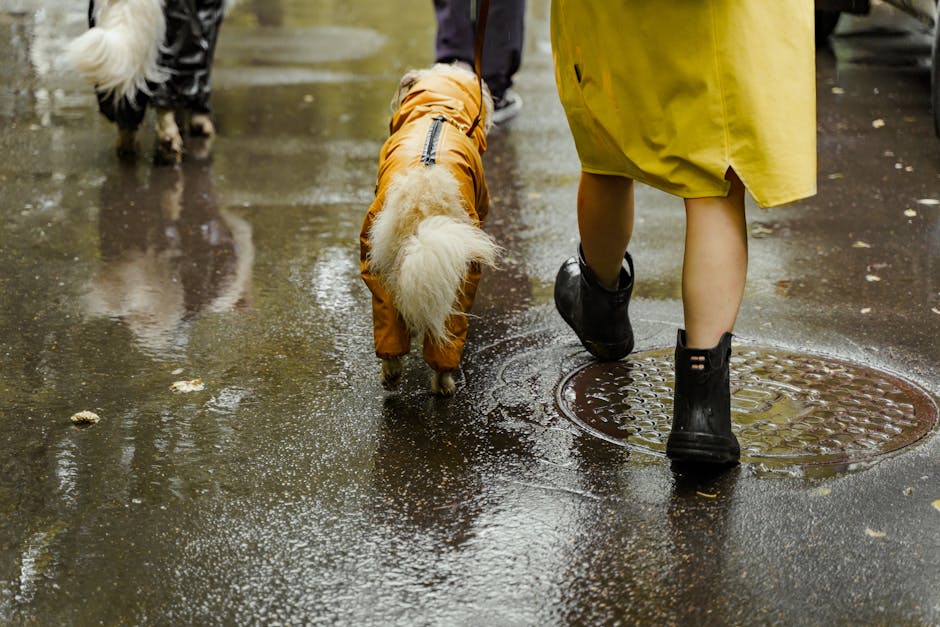
Buying a good raincoat is only half the battle. If you don’t take care of it, even the most expensive GORE-TEX jacket will stop performing. Proper care ensures its waterproofing, breathability, and overall lifespan. Neglect leads to ‘wetting out,’ reduced performance, and a premature trip to the landfill. This isn’t just about cleanliness; it’s about maintaining the technical integrity of the fabric and its treatments. Treat your gear right, and it will treat you right for years to come. Ignore these steps, and you’ll quickly find yourself soaked and regretting your investment.
How Often Should I Wash My Raincoat?
Wash your raincoat more often than you think. Dirt, body oils, and grime clog the pores of the waterproof membrane and contaminate the DWR finish, significantly reducing breathability and causing the fabric to ‘wet out.’ For regular use, washing every 10-12 outings or once a month is a good rule of thumb. Use a technical wash like Nikwax Tech Wash or Grangers Performance Wash. Do NOT use regular laundry detergent, fabric softener, or bleach. These can strip the DWR and damage the membrane. Close all zippers and Velcro before washing, and follow the garment’s care tag instructions precisely. Washing actually helps restore DWR effectiveness by cleaning the fabric surface.
Can I Reapply DWR Coating?
Absolutely. When water stops beading up and the fabric starts to absorb moisture (wetting out), it’s time to reapply the DWR. This is a crucial step for maintaining performance. After washing your jacket with a technical cleaner, you can use a spray-on DWR treatment (like Nikwax TX.Direct Spray-On or Grangers Performance Repel) or a wash-in treatment. For best results, spray-on is often preferred as it only treats the exterior, preserving the wicking properties of any lining. Follow the product instructions for application and subsequent heat treatment (often a low tumble dry or iron) to activate the DWR. This simple step can dramatically extend the life and performance of your raincoat.
What About Storing It Properly?
Once your raincoat is clean and dry, store it properly to prevent damage. Do not pack it away wet or damp, as this can lead to mildew and fabric degradation. Hang it in a cool, dry place, ideally on a wide hanger to maintain its shape. Avoid compressing it tightly for long periods, as this can potentially damage the membrane or compromise the DWR. If storing for the off-season, ensure it’s completely clean and dry. Proper storage is just as important as proper washing for ensuring your raincoat maintains its integrity and is ready for action when the next downpour hits. Don’t just throw it in a closet in a ball.
Quick Verdict: Top Raincoats for Every Man
Choosing the right raincoat comes down to balancing your needs against the technical capabilities. There’s no single ‘best’ for everyone, but there are clear winners for specific scenarios. Don’t compromise on true waterproofing and breathable construction. Invest once, stay dry for years. Here’s a quick rundown of the top picks we’ve discussed:
| Raincoat Model | Best For | Key Features | Approx. Price (2026) |
|---|---|---|---|
| Arc’teryx Beta LT Jacket | Extreme Performance, Hiking, Mountaineering | 3L GORE-TEX, lightweight, highly breathable, helmet-compatible hood, exceptional durability | $450 |
| Patagonia Torrentshell 3L | Versatile, Urban & Light Trail Use | 3L H2No® Performance Standard, packable, fully adjustable hood, excellent value | $179 |
| Helly Hansen Odin 9 Worlds 3L | Rugged Outdoor, Heavy-Duty Performance | HELLY TECH® Professional 3L, robust, pit zips, mountaineering-focused design | $400 |
| Rains Long Jacket | Urban Style, Light Rain, Commuting | Minimalist design, waterproof PU fabric, sleek aesthetic, non-technical | $120-$150 |
| Uniqlo Blocktech Parka | Budget-Friendly Urban, Everyday Use | Blocktech fabric, windproof, water-repellent, great value, versatile colors | $60-$80 |
| The North Face DryVent Jacket | All-Round Outdoor, Good Value | DryVent 2.5L/3L, pit-zip vents, durable, reliable performance for most conditions | $100-$150 |
Pick your poison, but pick wisely. Your comfort in the rain depends on it. Don’t get caught out again.