
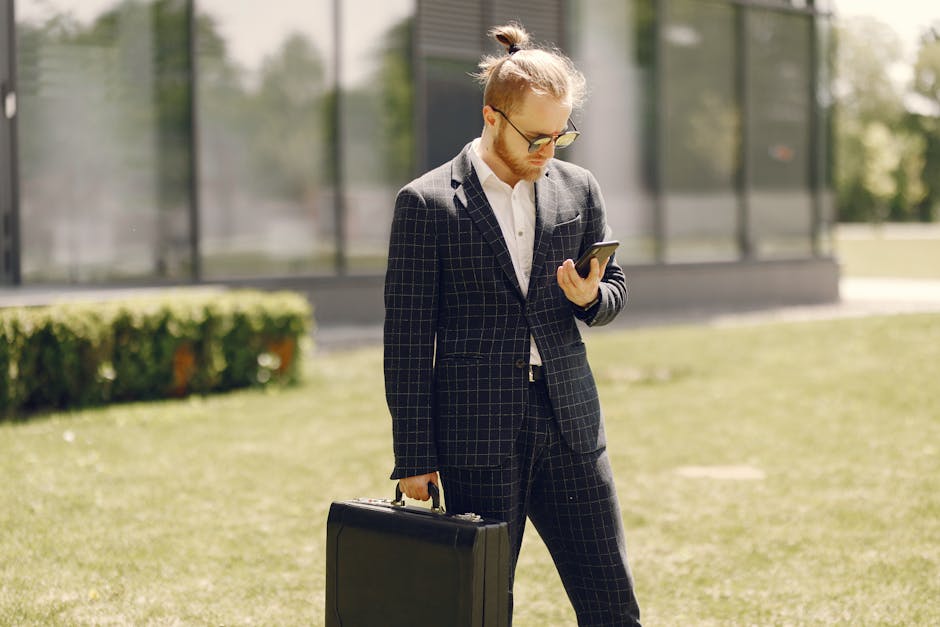
Most men treat the blazer as a compromise — the safe middle ground between a full suit and a casual jacket. That framing produces most of the styling mistakes you see at weddings, job interviews, and client dinners. The blazer is not a downgraded suit. Used correctly, it frequently outperforms one.
What follows is a breakdown of what makes a blazer read as genuinely formal, which pairings work across different events, where men consistently get it wrong, and the specific fit numbers that determine whether the whole thing lands.
The Blazer vs. Suit Debate Has One Clear Answer
For black-tie events and strict business formal, a matched suit wins. Full stop. The blazer cannot replicate the visual weight and cohesion of a matched jacket and trouser cut from the same cloth. Attempting it produces a look that reads as either underdressed or confused.
For everything else — cocktail, smart-casual, business casual, evening events short of black-tie — the blazer is the stronger play. A Suitsupply Havana blazer in navy wool ($349) worn with tailored charcoal flannels and a white spread-collar shirt will outperform most off-the-rack suits in the same room. The logic is simple: a well-chosen blazer signals that you understood the dress code well enough to interpret it rather than default to it.
What Actually Defines a Formal Blazer
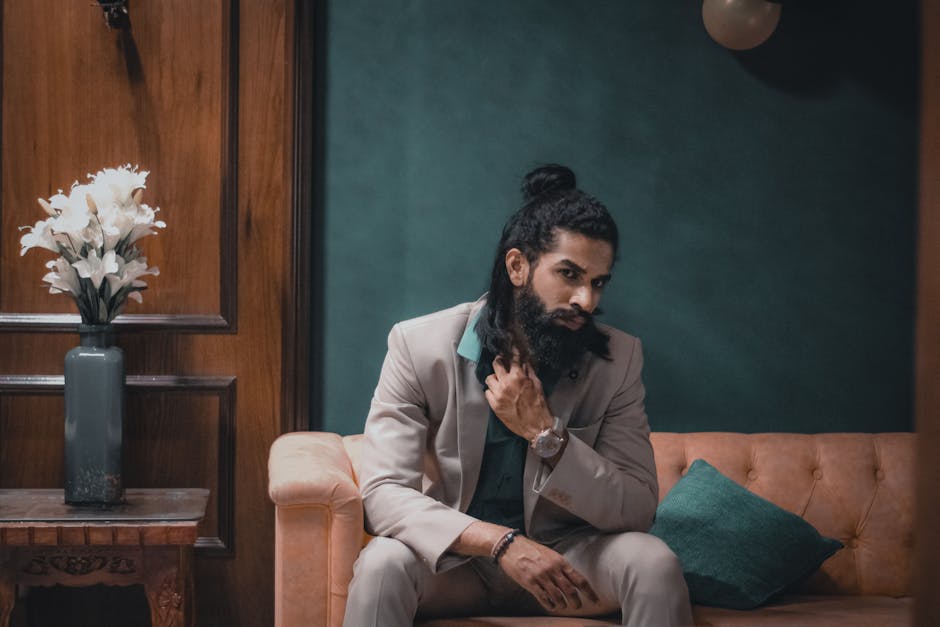
The word “blazer” covers an enormous range of garments — from the gold-buttoned navy club blazer worn on a yacht to an unstructured linen jacket thrown over a t-shirt. Only specific configurations within that range read as formal. The difference comes down to three measurable factors: fabric weight, construction type, and lapel geometry.
Fabric Weight and Construction
Formal blazers live in structured fabrics that hold their shape across a full day. Mid-weight worsted wool — between 200g and 280g per meter — is the standard. This weight gives the jacket enough drape to read as intentional without becoming stifling in warmer rooms.
The Polo Ralph Lauren Polo Soft Blazer ($498) uses a 260g merino blend that behaves well year-round. The Brooks Brothers Regent Fit Wool Blazer ($598) runs closer to 280g, which suits cooler environments and works within the British-cut tradition of slightly heavier cloth. Both are structured builds — there is a defined chest canvas and shoulder padding that holds the silhouette in place when you move.
What lowers the formality reading immediately: linen (too relaxed for anything above business casual), cotton (smart-casual at best), and velvet (reserved for evening wear only, not day formal). Tweed has its own lane — country formal and rural events, not city boardrooms or cocktail parties. The Boglioli K-Jacket, popular for its soft unstructured shoulder, is a beautiful piece but reads as elevated casual regardless of its price point. Unstructured shoulders do not belong at formal events.
Construction also affects how the jacket moves. A fully canvassed blazer — where a layer of horsehair canvas is hand-stitched between the outer fabric and lining — drapes more naturally and molds to your body over time. Half-canvas (canvas through the chest only) is the standard in mid-range tailoring and is perfectly adequate. Fused construction, where the layers are glued rather than stitched, is cheaper and tends to bubble or delaminate after repeated dry cleaning. For a blazer you plan to wear regularly to formal events, avoid fused construction.
Lapel Width, Button Stance, and Shoulder Structure
Lapel width signals formality more directly than most men realize. Notch lapels between 7cm and 9cm are the current formal standard. Narrower than 6cm skews fashion-forward; wider than 10cm reads as retro unless the cut is genuinely vintage and you are wearing it as such. Peak lapels — where the lapel points upward toward the shoulder — add formality. They are associated with double-breasted blazers and traditional British tailoring and are the correct choice for the most formal blazer applications.
Button stance determines how the jacket sits across your torso. A two-button blazer with a mid-chest button is the most formal and versatile configuration. The bottom button is never fastened — that is not a preference, it is a rule derived from tailoring convention going back to Edwardian dress codes. Three-button blazers read as more conservative and slightly more casual depending on the lapel roll. Single-button blazers are evening wear.
Structured shoulders communicate formality. A clean, firm shoulder pad holds the jacket’s line throughout the day and gives the silhouette the kind of deliberate geometry that reads as dressed rather than thrown on. If you are shopping in person, press your finger into the shoulder of the blazer: it should have some resistance and bounce back. If it collapses flat, it is unstructured — and unstructured shoulders do not belong at formal events.
Trouser Pairings — What the Data Actually Shows
The trouser pairing is where most blazer outfits fail. The instinct to match the blazer and trouser color as closely as possible is wrong. Formal blazer combinations require deliberate tonal contrast — the two pieces should clearly be chosen together, not mistaken for a mismatched suit. Here is how different trouser types land across formality levels:
| Trouser Type | Fabric | Formality Level | Works With Navy Blazer? | Works With Grey Blazer? |
|---|---|---|---|---|
| Charcoal grey flannel | Wool | Business formal / cocktail | Yes — the benchmark pairing | No — too close in tone |
| Mid-grey worsted | Wool | Business casual / smart-casual | Yes — clean, readable contrast | Borderline — only if shades differ significantly |
| Cream or ivory tailored | Wool or linen blend | Summer formal / garden party | Yes — strong summer formal | No — washes the look out |
| Camel or tan | Wool or heavy cotton | Smart-casual / country formal | Yes — classic autumn formal | Yes — works with mid-grey |
| Black tailored trousers | Wool | Evening / cocktail | No — reads as a failed suit | Yes — strong evening combination |
| Chinos (tailored cut) | Cotton | Smart-casual only | Yes — drops formality significantly | Yes — same caveat applies |
| Dark slim-cut denim | Denim | Casual | Acceptable in casual contexts only | No |
The One Combination That Always Fails
A navy blazer with navy trousers cut from different fabrics. The two pieces read as a failed suit attempt — close enough in color that matching appears intended, different enough in texture to look accidental. If you want a monochromatic navy look, wear a matched navy suit. If you are wearing a blazer, create real contrast.
Shirt and Tie Combinations by Occasion — Three Direct Answers
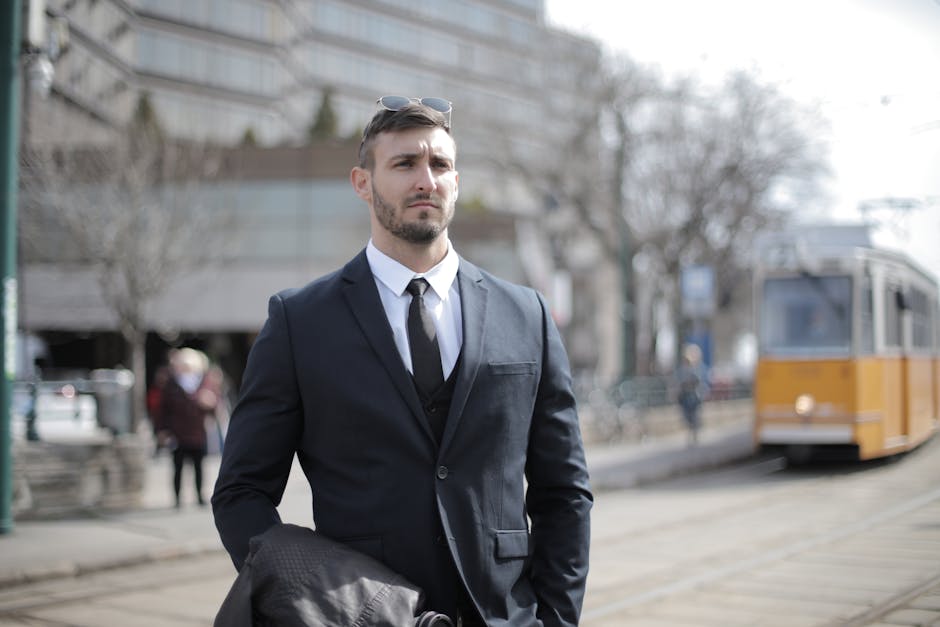
What do you wear under a formal blazer for a wedding?
A white or pale blue dress shirt in cotton poplin or end-on-end weave is the foundation. For weddings where you are a guest rather than the groom, a semi-spread or spread collar — the Charles Tyrwhitt Classic Fit Spread Collar in white ($49) is a reliable and widely available option — gives enough formality without competing with the ceremony’s visual hierarchy.
The tie should be silk in a matte weave, not shiny satin. A navy or burgundy grenadine tie reads as intentionally dressed without looking corporate. For summer or garden weddings, a linen-blend shirt in pale pink or white under a navy blazer with cream trousers is the ceiling of smart-casual formality and is appropriate for most outdoor ceremonies.
What shirt works for business formal with a blazer?
White broadcloth or blue pinpoint Oxford. These two options read cleanly in professional contexts without requiring additional thought. Collar structure matters more than most people account for — a collar that wilts by noon undermines the whole outfit. Ted Baker’s Endurance range ($85–$120) uses a reinforced fused collar that holds its shape through a full day, which matters in client meetings and presentations. Pair with a conservative tie: stripe or small geometric pattern, silk, in a muted color that anchors rather than competes.
Can you go tieless with a formal blazer?
Yes — but it lowers the formality ceiling significantly. A tieless blazer with an open collar reaches smart-casual at best. If the event requires a jacket, it almost certainly requires a tie. The practical test: if guests around you are wearing ties, you need one too. Going tieless when others are tied reads as either underdressed or indifferent to the occasion — neither is a good read.
The Shoe Formality Ladder — Six Levels With One Rule
Shoe choice sets the ceiling on how formal the entire blazer outfit can read. Work from the top of the ladder down and stop at the level that matches your event:
- Black cap-toe Oxford — the highest formal reading available. The Loake 1880 Aldwych ($350) in calf leather is the benchmark in this price range. Pairs exclusively with black lace-up dress socks.
- Brown or tan Derby — one step below the Oxford (open lacing is slightly less formal). A rich tan leather Derby from Grenson or Tricker’s ($280–$420) pairs well with grey or camel trousers under a navy blazer.
- Monk strap — single or double. A strong choice for cocktail and smart-formal events. The Hugo Boss Manhattan Double Monk ($320) in burnished brown works across most blazer and trouser combinations.
- Tassel loafer — the formal floor for slip-on styles. A leather tassel loafer in black or cognac works for smart-casual and summer formal events where footwear is less scrutinized.
- Chelsea boot — smart-casual only. The R.M. Williams Craftsman ($495) in black or dark tan is the sharpest boot option, but does not read as formal in traditional dress code contexts.
- White sneakers or chunky trainers — incompatible with formal blazer intentions. If these are the shoes, reconsider whether the event actually calls for a blazer at all.
Fit Specifications That Separate Sharp from Sloppy
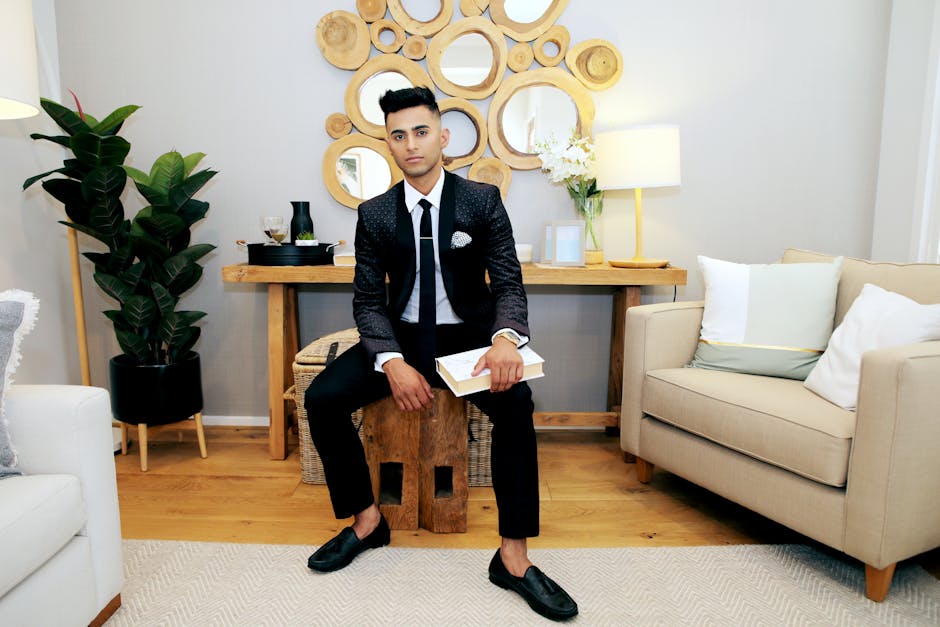
Fit is not a preference — it is a set of measurable landmarks that either read as intentional or don’t. A $200 blazer that fits correctly outperforms a $900 blazer that doesn’t. These are the numbers that matter.
Shoulder Seam Position
The shoulder seam should sit at the exact edge of your shoulder — the bony point where the shoulder ends and the upper arm begins. Not a centimeter past it. Not a centimeter short. When the seam extends past the natural shoulder, the entire jacket reads as too large regardless of how the chest or waist fit. This is the one measurement that cannot be corrected without rebuilding the jacket’s structural foundation, which costs more than most blazers are worth. Get the shoulder right at purchase, or move on to the next size.
Jacket Length
The hem should cover your seat entirely and reach roughly to the base of your knuckles when your arms hang naturally at your sides. A blazer that stops above the seat looks truncated and casual. One that extends well past the knuckle reads as dated. Most RTW blazers are cut slightly long to accommodate a range of body proportions — a tailor can shorten the hem for $30–$50, which is one of the highest-return alterations available on any jacket you plan to wear more than twice.
Sleeve Length and the Quarter-Inch Rule
The sleeve should end approximately 1.5cm (about half an inch) above the shirt cuff. This reveals the shirt cuff — a sliver of white or blue fabric — which signals attention to dressing rather than accidental fit. Sleeves that cover the shirt entirely read as too long. Sleeves that expose more than 2cm of shirt cuff read as too short, or as if the blazer is borrowed. Most off-the-rack blazers need sleeve shortening. This alteration typically costs $20–$40 and is the single most cost-effective tailoring investment on any blazer.
One more checkpoint: when the middle button of a two-button blazer is fastened, the jacket should lie flat across the chest with no X-shaped tension pulling at the button. Pulling indicates the chest is too narrow for your frame. Chest alterations are structurally complex and expensive — often more than the alteration is worth. If the chest pulls, the blazer does not fit.
When a Blazer Outperforms a Matched Suit
Summer outdoor events — weddings, garden parties, rooftop functions in June and July — are where a well-chosen blazer consistently beats a full suit. A lightweight navy blazer in a linen-cotton blend, paired with cream tailored trousers and a white linen shirt, handles heat better and reads as more deliberately dressed than most warm-weather suits, which tend to look wilted by the afternoon.
The contrast inherent in separates — a blazer and trouser that clearly belong together but are not matched — signals that you understood the dress code well enough to work within it rather than simply comply with it. That distinction is visible. It is also the reason the blazer, in the right context, is not the compromise option. It is the sharper one.