

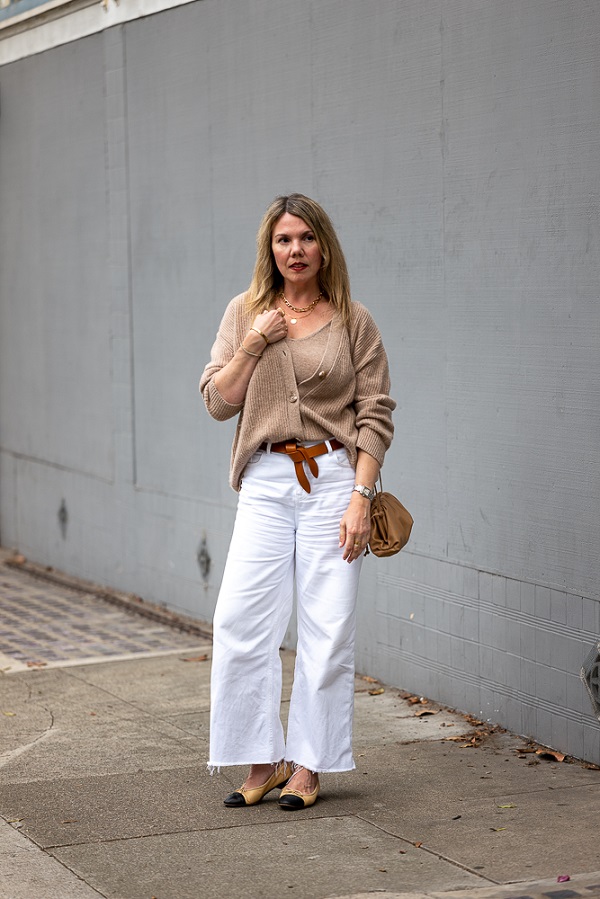
Are you staring at your closet, wondering what to buy for fall without completely overhauling your entire wardrobe? Each year, new trends emerge, promising the ultimate style refresh. But the real challenge isn’t keeping up; it’s building a foundational fall wardrobe that feels both fresh and timeless. Most of us want pieces that work for various occasions, offer true value, and don’t contribute to the endless cycle of fast fashion waste. This guide cuts through the noise to help you identify the five genuine must-haves for your fall 2026 style, focusing on quality, versatility, and enduring appeal.
Why a Core Fall Wardrobe Matters More Than Trends
The fashion cycle accelerates yearly. What was ‘in’ last fall might feel dated by next October. This constant churn creates wardrobe overwhelm and unnecessary spending. A smarter approach prioritizes a core selection of versatile, high-quality pieces. These items act as anchors, allowing you to integrate a few trend-driven accessories or seasonal colors without rebuilding everything.
Building a strong core wardrobe isn’t about ignoring trends entirely. It’s about knowing which pieces will serve you well for years, regardless of fleeting fads. This strategy saves money, reduces decision fatigue, and ensures you always have something reliable to wear. Think of it as investing in your personal style, rather than just buying clothes.
The Cost of Chasing Fleeting Styles
Fast fashion thrives on rapid consumption. When you buy into every micro-trend, you often invest in lower-quality garments that don’t hold up. This means replacing items more frequently, contributing to landfill waste, and spending more in the long run. Consider a blazer bought for $40 that pills after three washes versus a well-constructed wool blend blazer for $150 that looks sharp for five years. The long-term cost per wear favors the latter, despite the higher initial price.
Building a Foundation for Personal Expression
A solid core wardrobe provides a blank canvas. With classic items like a good trench coat or a pair of well-fitting dark jeans, you can experiment with bold scarves, unique jewelry, or brightly colored sweaters. These foundational pieces let your personality shine through without clashing with over-the-top trendy clothing. It frees you to express yourself authentically, rather than simply replicating what you see on social media.
The Essential Outerwear: Trench Coat, Wool Blazer, or Leather Jacket?
Choosing the right outerwear piece is critical for fall. It’s the first thing people see, and it needs to offer both warmth and style. Most people struggle deciding between the classic sophistication of a trench, the sharp versatility of a wool blazer, or the edgy cool of a leather jacket. Each serves a distinct purpose, and understanding those differences helps you pick the best investment for your lifestyle.
| Feature | Trench Coat | Wool Blazer | Leather Jacket |
|---|---|---|---|
| Typical Price Range | $120 – $300 | $100 – $250 | $150 – $500 |
| Weather Suitability | Light rain, wind, cool temps | Mild fall days, indoor layering | Cool, dry days |
| Style Versatility | Business casual, smart casual, dressy | Office, casual, elevated everyday | Casual, edgy, evening |
| Material Composition | Cotton gabardine, water-resistant blends | Wool, wool blends, tweed | Real leather (lamb, cow), faux leather |
| Key Benefits | Iconic, practical, water-resistant | Polished, structured, layering piece | Durable, timeless, adds edge |
While all three are excellent choices, your lifestyle dictates the best investment. If you need a versatile outer layer for varying weather and professional settings, a trench coat is an unbeatable option. For a more structured, everyday piece that easily transitions from work to weekend, the wool blazer reigns supreme. If your style leans edgy and you want a piece that only gets better with age, a quality leather jacket is the way to go.
Trench Coat Versatility and Durability
A well-made trench coat offers remarkable versatility. Brands like Everlane with their Drape Trench (around $148) or classics from London Fog (often $120-$180) provide excellent value. Look for features like a removable liner for warmth adjustments, a sturdy belt, and a water-resistant finish. These coats are perfect for drizzly mornings and chilly evenings, easily dressing up jeans and a sweater or complementing a business outfit.
Wool Blazer: The Smart-Casual Staple
The wool blazer is the ultimate smart-casual piece. It instantly elevates any look. A classic option like the J.Crew Regent Blazer (typically $198) in a neutral like charcoal or navy, or a more budget-friendly structured blazer from Mango (around $120), can be worn with tailored trousers, skirts, or even over a t-shirt with dark wash jeans. Prioritize a good fit in the shoulders and sleeves for a polished appearance.
Leather Jacket: Edgy and Enduring Appeal
Few items project effortless cool like a leather jacket. While high-quality genuine leather can be an investment – a well-regarded option like the Madewell The Perfecto Leather Jacket runs about $498 – it’s a piece that literally improves with wear, developing a unique patina. For a more accessible entry point, brands like H&M offer stylish faux leather jackets (around $50) that capture the look without the significant cost, though they lack the same longevity.
Boots That Work Hard: Decoding Comfort and Style for Fall
Fall footwear needs to balance practical considerations like warmth and traction with undeniable style. Boots are non-negotiable for the season, but the sheer variety can be overwhelming. Focusing on a versatile, comfortable pair that can handle various outfits and conditions is key. Ankle boots and Chelsea boots stand out as the most reliable choices.
When researching boots, don’t get sidetracked by ultra-high heels or overly embellished designs unless you have a very specific use case. For a true fall must-have, prioritize durable materials, a comfortable heel height (or no heel), and a silhouette that pairs well with both dresses and trousers. The goal is to find a boot you can genuinely wear multiple times a week without discomfort.
Ankle Boot Anatomy: What to Prioritize
A good ankle boot should have a shaft that hits just above or at the ankle bone. This height makes them incredibly versatile, working seamlessly with cropped pants, skirts, and dresses. Look for genuine leather or high-quality vegan leather uppers for durability and breathability. A block heel of 1-2 inches offers stability and comfort for extended wear. For example, the Sam Edelman Fane Ankle Boot (around $150) often receives high marks for its classic shape and walkability. A rugged, waterproof option like a Blundstone Classic 500 (around $220) is perfect for colder, wetter climates, offering utilitarian style and exceptional comfort.
The Chelsea Boot: A Timeless Investment
Chelsea boots are characterized by their elastic side panels and pull tab, making them easy to slip on and off. Their sleek profile makes them suitable for both casual and slightly more formal outfits. They pair excellently with dark wash denim and tailored wool trousers. Brands like Dr. Martens with their 2976 Chelsea Boot (typically $180) offer a robust, durable option that lasts for years. If you prefer a softer, more refined look, Clarks often has comfortable, classic leather Chelsea boots in the $100-$150 range. Always check for a cushioned insole and a non-slip sole for maximum comfort and safety on slick fall leaves.
Layering Mastery: Picking Your Perfect Fall Knits
Fall is synonymous with layering, and knitwear forms the backbone of any effective layering strategy. The right sweater or cardigan provides warmth, texture, and visual interest without adding unnecessary bulk. This isn’t just about throwing on a chunky knit; it’s about understanding fabric properties and strategic styling to build cohesive, comfortable outfits. A quality knit can elevate even the simplest jeans-and-t-shirt combination.
When selecting your knitwear, resist the urge to buy purely based on color or pattern. Fabric composition is for warmth, drape, and longevity. Natural fibers like cashmere, merino wool, and even high-quality cotton blends offer superior breathability and comfort compared to cheap synthetics. While synthetics can be more affordable, they often lack the luxurious feel and temperature-regulating properties essential for fall comfort.
Cashmere vs. Merino: Understanding the Performance Differences
Cashmere: Often considered the pinnacle of knitwear, cashmere is incredibly soft, lightweight, and surprisingly warm for its delicate feel. It’s derived from cashmere goats and prized for its luxurious hand. While traditionally expensive, brands like Quince offer impressive 100% Mongolian Cashmere Crewnecks (around $50) by cutting out middlemen. Naadam also provides high-quality cashmere sweaters for about $75. Cashmere requires gentle care but offers unparalleled comfort and elegance. Its fine fibers make it excellent for light, warm layers.
Merino Wool: Merino wool is another natural powerhouse, known for its fine fibers, excellent breathability, and moisture-wicking properties. Unlike traditional wool, merino is much softer and less itchy, making it comfortable directly against the skin. It’s also naturally odor-resistant. Uniqlo’s Extra Fine Merino collection is a perennial favorite, offering V-neck cardigans and pullovers for around $40-$50. Everlane also features excellent merino blend cardigans (around $98). Merino is highly durable and easier to care for than cashmere, making it a robust choice for everyday wear and travel.
The choice between cashmere and merino often comes down to budget and desired softness. Cashmere feels more luxurious; merino is more practical and robust for daily wear.
Cardigan vs. Pullover: Strategic Styling Choices
Cardigans: A cardigan offers layering flexibility. It can be worn open over a t-shirt or blouse, buttoned up as a standalone top, or even draped over the shoulders for a chic accessory. A longer, duster-style cardigan provides warmth and a streamlined silhouette, while a classic crewneck or V-neck cardigan is excellent for professional settings or casual layering. Look for one that hits at the hip or slightly below for maximum versatility.
Pullovers: A classic crewneck or V-neck pullover is a straightforward staple. It’s perfect for tucking into skirts or trousers, or worn loose over jeans. A slightly oversized fit offers a relaxed, comfortable vibe, while a more fitted style presents a polished look. Consider a neutral color like cream, grey, or navy for maximum mix-and-match potential. For an especially refined look, a fine-gauge knit pullover can be layered under a blazer without adding bulk.
The Foundation Bottoms: Dark Denim or Tailored Trousers?
Forget fleeting denim washes or overly complicated trouser styles. For fall, your bottom half needs to be both comfortable and capable of dressing up or down. The real choice isn’t about having every type of pant; it’s about investing in one or two pairs that truly anchor your wardrobe. My clear recommendation is to secure a pair of dark wash, well-fitting denim and a pair of versatile tailored trousers. These two pieces alone can carry you through almost any fall occasion, from casual weekends to more formal gatherings.
Dark Wash Denim: Finding the Ideal Fit
A good pair of dark wash jeans is non-negotiable. Dark denim looks more polished than lighter washes, making it suitable for a wider range of settings. It also tends to be more slimming and forgiving. The key is finding a fit that flatters your body shape. Popular options include a straight leg, a subtle bootcut, or a slim-straight. Avoid anything overly distressed or with prominent fading for your essential pair. Levi’s 501 Original in a dark rinse (around $80) remains a timeless choice for its classic fit and durability. For a slightly more modern, comfort-stretch option, the Madewell The Perfect Vintage Jean (often $135) offers a flattering high waist and relaxed fit that pairs well with boots.
Tailored Trousers for Elevated Everyday Wear
Tailored trousers aren’t just for the office anymore. Modern cuts and fabrics make them incredibly versatile for everyday wear. Look for a pair in a neutral color like black, charcoal, navy, or even a rich forest green. A wide-leg or straight-leg silhouette offers a contemporary feel and drapes beautifully over boots or flats. The Aritzia Effortless Pant (around $148) is a cult favorite for its flattering fit and wrinkle-resistant fabric. For a more relaxed but still polished option, Everlane’s The Dream Pant (around $88) combines comfort with a sophisticated look, perfect for working from home or casual outings where you still want to feel put-together. Prioritize a fabric with some drape and a bit of stretch for comfort.
Common Fall Fashion Mistakes to Avoid (And How to Fix Them)
Even with the best intentions and carefully chosen pieces, some common missteps can undermine your fall style. Identifying and correcting these errors ensures your wardrobe investments truly pay off, keeping you looking sharp and feeling comfortable throughout the season. Many of these mistakes stem from neglecting practical considerations in favor of aesthetics alone.
Ignoring Fabric Composition
- The Mistake: Buying garments purely based on color or silhouette, without checking the fabric tag. Many affordable fall items are made from 100% polyester or acrylic, which don’t breathe well. This leads to feeling either too hot and sweaty indoors or not warm enough outdoors.
- The Fix: Prioritize natural fibers or high-quality blends. Look for wool, merino, cashmere, cotton, tencel, or modal. These materials regulate temperature better, feel nicer against the skin, and often last longer. For outerwear, look for cotton gabardine or wool blends. For knits, stick to merino or cashmere.
Overlooking Proper Layering Technique
- The Mistake: Piling on bulky layers that create an unflattering silhouette or restrict movement. Or, conversely, not layering enough for variable fall temperatures, leaving you unprepared for sudden chills.
- The Fix: Think in terms of thin, breathable base layers (like a fine-gauge merino long-sleeve tee), a mid-layer for warmth (a sweater or cardigan), and a protective outer layer (a blazer or coat). Each layer should be able to stand alone. For instance, your base layer should look good on its own if you take off your sweater. This allows you to adjust to indoor heating or outdoor breezes seamlessly without looking shapeless.
The Single Most Underrated Fall Must-Have
Beyond the major clothing pieces, the one item often overlooked, yet truly transformative for fall style, is a quality silk scarf. This isn’t just an accessory; it’s a versatile styling tool that adds immediate sophistication, a pop of color, and a surprising amount of warmth around the neck.
A silk scarf can instantly elevate a simple sweater and jeans, add polish to a blazer, or even tie together an entire outfit by introducing a new texture or pattern. Look for a square or rectangular silk scarf from brands like Cuyana (around $78) or smaller artisan shops on platforms like Etsy (typically $30-$60). It’s a small investment with a huge style return, making it my top pick for the most underrated fall essential.