

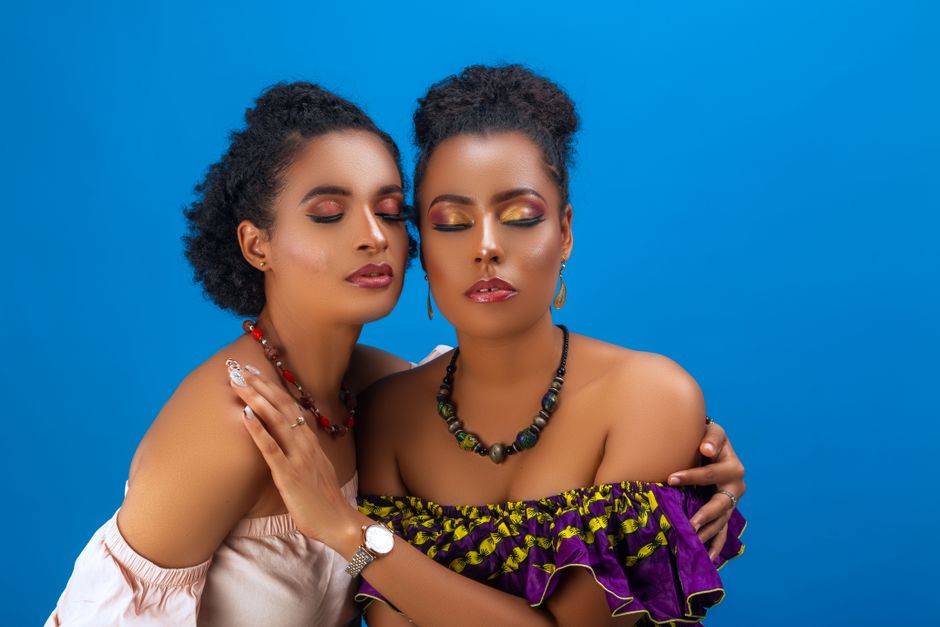
Most people think a statement necklace means one thing: a big, heavy, chunky piece that screams for attention. That idea costs you money. You buy one, wear it twice, and it sits in a drawer because it feels too much for brunch and too little for a wedding. The real trick isn’t buying one “statement” piece. It’s owning five specific necklace styles that each do a different job. A simple white tee and jeans becomes a deliberate outfit. A plain black dress looks styled in ten seconds. Here are the five necklaces that actually deliver that transformation — and the exact specs you need to look for.
Why Most Statement Necklaces Fail (And How to Fix It)
The failure rate on statement necklaces is high. Not because the designs are bad, but because the wearer picks the wrong length, wrong metal, or wrong scale for their body and outfit. You end up with a piece that fights your clothes instead of working with them.
Three specific mistakes kill the effect:
- Wrong length. A 16-inch choker on a crewneck tee looks cramped. An 18-inch pendant on a V-neck dress creates a weird gap. The length must match the neckline, not your personal preference.
- Wrong metal. Mixing warm gold tones with a cool silver zipper on a jacket creates visual noise. Stick to one metal family per outfit, or use a two-tone piece that bridges both.
- Wrong scale. A delicate chain with a tiny charm gets lost against a busy print. A massive bib necklace overwhelms a petite frame. The necklace should be proportional to your torso width and the visual weight of your top.
The fix is simple: choose the necklace based on the neckline and fabric weight of your top, not the color of your dress. A heavy wool sweater needs a different necklace than a silk cami. This one rule eliminates 80% of styling mistakes.
The Chunky Chain: Your Default Power Piece

If you buy only one statement necklace, make it a chunky chain. Not a delicate trace chain. Not a paperclip chain. A chunky curb or cable chain in a medium weight — think 5mm to 8mm link thickness. This single piece does more work than any other necklace in your drawer.
It works because it sits at the right length: 18 inches to 20 inches. That hits just below the collarbone, which complements crewnecks, boatnecks, turtlenecks, and most button-down collars. It doesn’t compete with a V-neck — it sits above it, creating a clear horizontal line that draws the eye across your collarbone.
The Mejuri Heavy Curb Chain in 14k gold vermeil ($198, 18 inches, 6mm links) is a solid pick. The Missoma Chunky Chain ($195, 19 inches, 5.5mm links) offers a slightly softer finish. For a budget option, the Ana Luisa Classic Curb Chain ($89, gold vermeil over sterling silver, 18 inches) holds up well to daily wear.
Wear it alone over a white tee and blazer. Layer it with a longer pendant chain for a more complex look. The chunky chain gives you instant structure — your outfit looks intentional, not thrown together.
Metal Choice Matters More Than You Think
Gold vermeil is the sweet spot for most people. It’s thicker than gold plating (usually 2.5 microns or more) and won’t flake off. Sterling silver tarnishes faster but costs less. Stainless steel is the most durable and cheapest, but it has a cooler, grayer tone that doesn’t suit warm skin undertones. Test the metal against your skin before buying. If your skin turns green or gray within an hour, the piece uses a copper base with poor plating — return it immediately.
The Lariat Necklace: Solves the Deep V-Neck Problem
A deep V-neck top or dress creates a long vertical line. A standard pendant necklace drops into that line and disappears. The solution is a lariat necklace — a chain that hangs in a Y-shape, usually with a charm or gem at the bottom point. The Y shape fills the empty space without competing with the neckline.
Key spec: the lariat should end 2 to 4 inches above the V’s lowest point. If your V hits your sternum, the lariat should end at your collarbone. This creates a visual triangle that narrows the torso and draws attention upward to your face.
The Gorjana Lariat Necklace ($95, 18 inches with a 3-inch drop, 14k gold plated) is a reliable workhorse. The Kendra Scott Elisa Lariat ($75, 16 inches with a 2.5-inch drop, available in gold and silver) adds a small gemstone that catches light. For a more dramatic look, the Mejuri Mini Lariat ($160, 18 inches with a 4-inch drop, 14k gold vermeil) uses a single pearl at the tip.
This necklace works best with solid colors. A printed top with a lariat creates too many focal points. Keep the top plain — white, black, navy, or camel — and let the lariat do the talking.
Choker: The Collarbone Framing Tool

Chokers get a bad reputation from the 90s choker trend — tight, black velvet bands that looked like a collar. Modern chokers are different. They’re open or adjustable chains that sit at 14 to 16 inches, hugging the base of the neck without choking it. They frame the collarbone and the jawline, making this piece ideal for off-shoulder tops, strapless dresses, and wide boatnecks.
The biggest mistake people make: wearing a choker with a high neckline. A turtleneck plus a choker looks like a collar on top of a collar — redundant and cramped. Save the choker for open necklines where it can define the upper chest area.
The Ana Luisa Bubble Choker ($79, 14 inches with a 2-inch extender, gold vermeil) uses small hollow beads for a modern, lightweight feel. The Missoma Small Orb Choker ($175, 15 inches, 14k gold vermeil) has a single textured orb at the center that draws the eye. The Mejuri Thin Chain Choker ($98, 14 inches, 14k gold vermeil) is minimal enough to layer with a longer chain.
Chokers work best on people with medium to long necks. If your neck is shorter (under 12 inches from collarbone to earlobe), a choker can make it look shorter. A 16-inch chain that sits lower is a better choice.
The Bib Necklace: When You Want Maximum Impact
A bib necklace is the heavy artillery of statement jewelry. It covers a wide area of the upper chest, usually with multiple strands, gemstones, or geometric links. It’s not for everyday wear — it’s for events, dinners, or days when you need a single piece to carry the entire outfit.
The rule: the bib must be the only statement piece. No statement earrings. No stacked bracelets. No patterned dress. The bib does all the work. Wear it with a solid, simple top — a black crewneck, a white button-down, a navy sheath dress. Anything else creates visual chaos.
The Kendra Scott Mimi Bib Necklace ($125, 15 inches with a 2-inch drop, gold-tone with clear stones) is a classic choice that works for day and night. The Gorjana Parker Bib ($145, 17 inches, 14k gold plated) uses interlocking circles for a more modern, less sparkly look. The Missoma Gemstone Bib ($295, 16 inches, 14k gold vermeil with lab-grown gemstones) offers color without looking cheap.
Bib necklaces require attention to weight. A heavy bib (over 50 grams) will pull on your neck and cause discomfort after two hours. Check the product weight before buying. Anything under 40 grams is comfortable for a full evening. Over 60 grams is a photo-only piece.
When NOT to Wear a Statement Necklace (And What to Wear Instead)

Statement necklaces are not universal. There are three situations where they actively hurt your outfit:
- High-contrast prints. A busy floral or geometric print plus a statement necklace equals a mess. Wear small stud earrings instead. Let the print be the statement.
- Loud patterns near the face. A bold scarf or a printed collar already draws attention to your neck area. Adding a necklace creates a traffic jam of visual information. Skip the necklace entirely.
- Very delicate or sheer fabrics. A heavy chunky chain on a silk chiffon blouse pulls the fabric out of shape and looks mismatched. Wear a lightweight pendant or no necklace at all. The fabric should be the focus.
In these cases, the best alternative is a stack of thin rings or a single cuff bracelet. They add interest without fighting the outfit. Or go bare — a clean neckline is a statement in itself.
How to Test Before You Buy (The 30-Second Fit Check)
You can evaluate any necklace in under a minute. Here’s the checklist:
| Check | What to Look For | Pass/Fail |
|---|---|---|
| Length match | Does the necklace end at the right point for your neckline? Choker = 14-16 in. Standard = 18-20 in. Lariat = ends 2-4 in above V bottom. | Pass or Fail |
| Metal tone | Hold it against your skin. Does it clash with your undertone? Warm skin = gold. Cool skin = silver. Neutral = either. | Pass or Fail |
| Weight | Hold it in your palm for 10 seconds. Does it feel heavy? Over 50g = skip for daily wear. | Pass or Fail |
| Clasp quality | Open and close the clasp three times. Does it feel secure? A weak clasp = lost necklace. | Pass or Fail |
| Finish | Rub the surface with a dry finger. Does any color transfer? If yes, the plating is too thin. | Pass or Fail |
If a necklace fails two or more checks, put it back. The right piece will pass all five. Most people skip this test and end up with a drawer full of necklaces they never wear. Do the test. It takes 30 seconds and saves you $100 per mistake.
That chunky chain you hesitated on? The one that passed all five checks? Buy it. Wear it tomorrow over a plain white tee. See how the whole room shifts their eyes up to your face. That’s the transformation a real statement necklace delivers — not noise, but focus.