

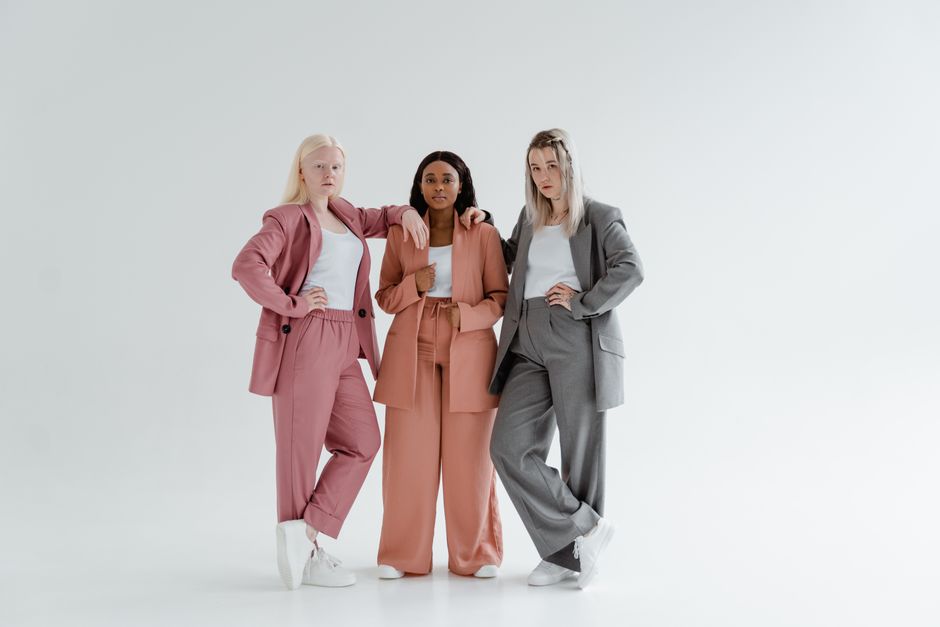
You bought the oversized blazer. Now what?
Every third person on Instagram makes it look effortless. You put yours on and you look like a teenager who raided their dad’s closet for a school play. The shoulders droop wrong. The sleeves swallow your hands. The whole thing reads “ill-fitting suit jacket” instead of “intentionally oversized streetwear piece.”
The difference isn’t the price tag. It’s understanding that an oversized blazer in streetwear operates by different rules than a tailored blazer. The slouch is intentional. The proportions are specific. And the wrong pair of shoes or pants will kill the whole effect.
Below are seven rules that separate the costume from the outfit. Each section covers a specific failure mode or decision point, with real brand names and measurements. No fluff.
Rule #1: The Shoulder Drop Must Be Exactly 3–5 Inches Past Your Natural Shoulder
This is the single most common mistake. People buy a blazer that is simply too big in every dimension — a size 48 when they wear a 40 — and call it “oversized.” That’s not oversized. That’s just wrong.
The spec you need: The shoulder seam should fall 3 to 5 inches past your natural shoulder bone. Not 7. Not 10. Three to five.
Measure your natural shoulder width (from bone to bone across your back). Add 3–5 inches. That’s your target shoulder measurement for the blazer.
Real examples:
- Acne Studios oversized blazers typically have a shoulder width of 19–20 inches in size M, which works for a natural 16–17 inch shoulder.
- Our Legacy Third Cut blazer runs a 20.5 inch shoulder in size L — ideal if your natural shoulder is around 16–17 inches.
- H&M oversized blazers (around $80–$100) often run 18.5–19 inches in size L, which fits a 15–16 inch natural shoulder.
If the shoulder seam hits past your bicep, the blazer is too large. If it sits exactly on your shoulder bone, it’s too fitted for streetwear. The 3–5 inch drop is the sweet spot.
A quick test: raise your arms to the side. The shoulder seam should shift, but not ride up past your ear. If it does, the armhole is also cut too low — another common problem in cheap oversized blazers.
Rule #2: The Sleeve Hem Must End at Your First Knuckle (Not Your Wrist)
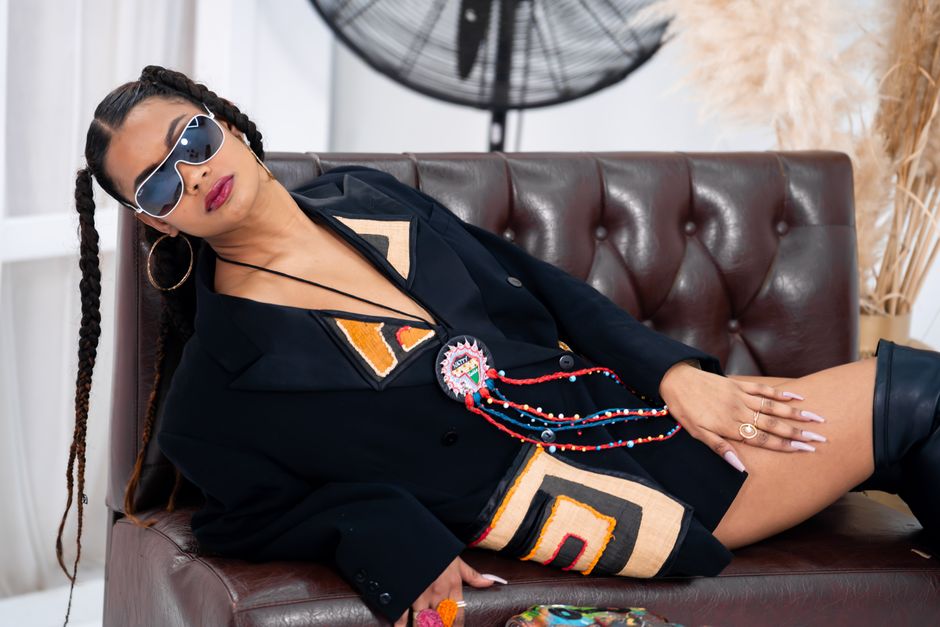
Tailored blazers aim for a sleeve hem that shows ¼ to ½ inch of shirt cuff. Oversized blazers do the opposite.
The sleeve should end at the first knuckle of your thumb when your arm hangs naturally at your side. This is roughly 2–3 inches past your wrist bone.
Why this matters: a sleeve that ends at the wrist makes the blazer look like it shrank in the wash. A sleeve that covers half your hand reads intentional. It also balances the visual weight of the wide shoulders.
Brands that get this right:
- Zara oversized blazers (around $120) often have 32–33 inch sleeves in size M, which covers the wrist for most people with 30–31 inch arm lengths.
- Levi’s oversized trucker blazer ($150) runs sleeves that end at the knuckle in size L for someone 5’10″–6’0″.
If your blazer’s sleeve is too short, don’t try to roll it. Rolling an oversized blazer sleeve looks like you’re trying to fix a mistake. Either have a tailor add a cuff (yes, this is possible) or size up.
Rule #3: The Bottom Half Must Be Skinny or Straight — Never Wide
This is the proportion rule that most people get backwards. They think an oversized top needs an oversized bottom to match. In streetwear, the opposite is true.
The rule: Oversized blazer + wide-leg pants = a box on top of a box. You lose all shape. You look like a rectangle.
The fix: Oversized blazer + skinny or straight-leg pants = intentional contrast. The wide top draws the eye up. The narrow bottom keeps the silhouette grounded.
| Blazer Fit | Pants Fit | Result |
|---|---|---|
| Oversized (19–20″ shoulder) | Skinny (6–7″ leg opening) | Balanced, elongated silhouette |
| Oversized (19–20″ shoulder) | Straight (7–8″ leg opening) | Works if pants are cropped above ankle |
| Oversized (19–20″ shoulder) | Wide (9–10″ leg opening) | Boxy, unflattering on most body types |
Pants that work:
- Dickies 874 ($55) — straight leg, 7.5″ leg opening in size 32. Cropped or cuffed above the ankle.
- Levi’s 511 ($70) — slim straight, 7″ leg opening. Tapered enough to contrast with a wide blazer.
- Carhartt WIP single knee pants ($120) — straight leg, 8″ leg opening. Wear with a slight cuff.
If you must wear wide pants, the blazer needs to be cropped (ending above the hip bone). That’s a different look entirely — more 90s skate than current streetwear. Most people should stick with skinny or straight.
Rule #4: Shoes Must Be Chunky or Flat — Never Dressy

An oversized blazer is inherently casual. Dress shoes — loafers, oxfords, derbies — create a visual contradiction that reads “I’m trying to dress up but I don’t know how.”
There are exactly two shoe categories that work with an oversized blazer in streetwear:
1. Chunky sneakers. These balance the visual weight of the blazer. The bulk of the shoe mirrors the bulk of the jacket.
- Nike Air Force 1 Low ($110) — the standard. White leather, chunky sole, works with any blazer color.
- New Balance 990v6 ($200) — less bulky than AF1s but still substantial. Grey pairs with everything.
- Balenciaga Track ($1,050) — extreme chunk. Only if the rest of your outfit is minimal.
2. Flat, slim sneakers. These work when the blazer is the statement piece and you want everything else to recede.
- Adidas Samba ($100) — slim profile, low to the ground. Best with cropped pants that show ankle.
- Converse Chuck Taylor Low ($60) — flat sole, no visual weight. Works with straight-leg jeans.
- Vans Old Skool ($70) — similar to Chucks but slightly more structure.
What never works: Chelsea boots, dress boots, or any shoe with a heel. The blazer already adds visual mass. A heeled shoe makes the proportions feel top-heavy and costume-like.
Rule #5: The Fabric Weight Must Be 8–12 Ounces — Nothing Heavier
This is the technical spec most people ignore. Blazer fabric weight determines how it drapes, how it wrinkles, and how it layers.
8–12 ounce wool or wool-blend is the sweet spot. It drapes with enough weight to hang cleanly off the shoulders, but not so much that it pulls the silhouette down. It wrinkles minimally. It breathes well enough for indoor/outdoor wear in spring and fall.
What to avoid:
- Below 8 oz: Too flimsy. The blazer loses its shape, especially in the shoulders. Looks like a shirt, not a jacket.
- Above 12 oz: Too heavy. The fabric pulls at the shoulders. The blazer feels like armor. It doesn’t layer well over hoodies or sweaters.
Brands that use the right fabric weight:
- Acne Studios — 10 oz wool blend. Their oversized blazers hold shape without feeling stiff.
- Our Legacy — 11 oz wool. The Third Cut blazer is the gold standard for fabric weight.
- Mango — 9 oz wool-polyester blend. Good for the price ($100–$150).
If you’re buying from a fast-fashion brand like Zara or H&M, check the fabric composition tag before you buy. A 100% polyester blazer at 6 oz will never drape like a wool blend. It will look cheap within three wears.
Rule #6: Layer Over a Hoodie or Turtleneck — Never a Dress Shirt

The collar and neckline of what you wear under the blazer determines whether the outfit reads “streetwear” or “business casual that went wrong.”
The hoodie layer. A hoodie under an oversized blazer is the classic streetwear move. The hood sits outside the blazer collar, creating a layered neckline that adds visual interest. The blazer covers the hoodie’s body, leaving only the hood and hem visible.
Fit note: the hoodie should be slim or regular fit, not oversized. An oversized hoodie under an oversized blazer creates too much bulk in the shoulders and arms. You lose mobility and the layers fight each other.
Hoodies that work:
- Stüssy basic hoodie ($80) — mid-weight, slim cut, holds shape.
- Carhartt WIP Chase hoodie ($110) — slightly heavier, good for colder days.
- Nike Club Fleece hoodie ($70) — affordable, slim enough to layer.
The turtleneck layer. A thin merino wool turtleneck under an oversized blazer is the elevated version. It works because the turtleneck adds a vertical line at the neck that contrasts with the horizontal width of the blazer shoulders.
Turtlenecks that work:
- Uniqlo merino wool turtleneck ($40) — thin, 100% merino, comes in black and cream.
- COS ribbed turtleneck ($70) — slightly thicker, good structure.
What never works: a button-down dress shirt with a collar that sits inside the blazer lapels. This creates a “I’m wearing a suit jacket but I took off the tie” look. If you must wear a collared shirt, make it an overshirt with the collar popped out and worn open — but that’s a different outfit entirely.
Rule #7: The Length Must End Between Your Hip Bone and Mid-Thigh
This is the most subjective rule, but there’s a measurable range that works for most people.
The blazer hem should end at or slightly below your hip bone (the bony protrusion at the side of your pelvis). For most people, that’s 26–28 inches from the top of the shoulder seam, depending on height.
If the blazer ends above the hip bone, it’s cropped. That’s a different look — more feminine, more 80s-inspired. It can work, but it requires high-waisted pants and a different proportion set.
If the blazer ends below mid-thigh, it’s a coat. That’s a different garment category entirely.
The mid-thigh max: for someone 5’10”, that’s about 30–31 inches from the shoulder seam. For someone 5’4″, that’s about 27–28 inches.
How to check: stand with your arms at your sides. The blazer hem should fall between the bottom of your front pants pocket and the middle of your thigh. If it hits above the pocket, it’s too short. If it hits below mid-thigh, it’s too long.
Brands that hit this length correctly:
- Acne Studios — 28–29 inches from shoulder in size M. Works for 5’8″–6’0″.
- Our Legacy Third Cut — 29 inches in size M. Ends just below hip bone on a 5’10” frame.
- H&M oversized blazer — 27 inches in size L. Good for shorter frames (5’6″–5’9″).
If the blazer is too long, don’t hem it. Hemming an oversized blazer changes the pocket placement and the entire proportion. Either size down or accept that this particular blazer doesn’t fit your frame. Not every oversized blazer works on every body.