

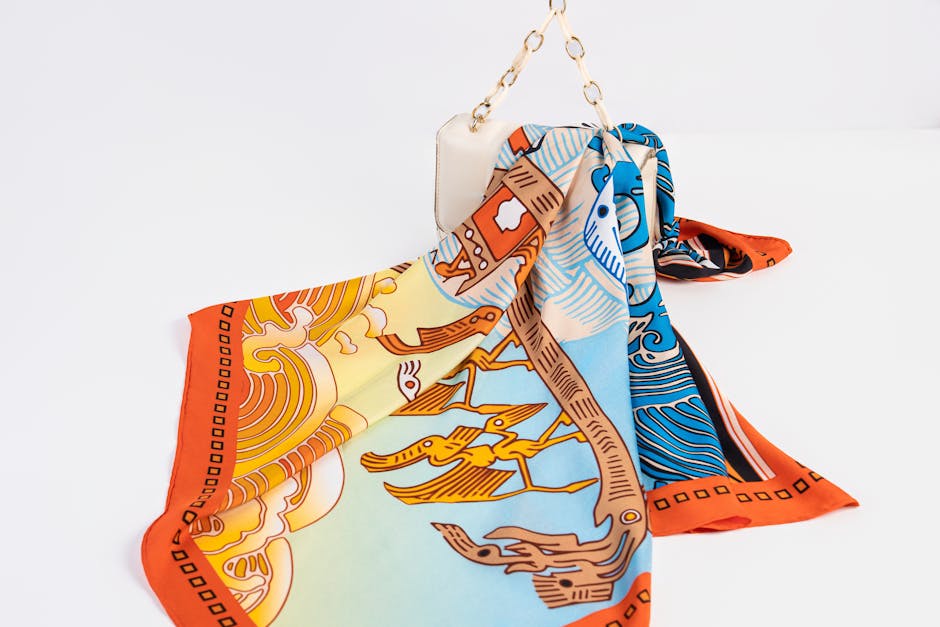
The Scarf Closet Nightmare: Why Your Current System Fails
You know the drill. You’re running late. Your outfit needs that perfect scarf. You open the closet, and it’s a fabric avalanche. Scarves are piled, stuffed, or worse, intertwined with other accessories. This isn’t organization. This is a disaster waiting to happen every morning.
Most people treat scarves like an afterthought. They end up crammed in a drawer, draped over a lonely hanger, or balled up on a shelf. This isn’t just untidy. It’s actively sabotaging your style and wasting your time. You own beautiful pieces, but you can’t see them. You forget they exist. That’s the core problem.
The “Lost Scarf” Phenomenon
You have scarves. Probably more than you realize. But digging through a tangled mess means you only ever wear the top three. The rest? Gone. Lost in the fabric abyss. You buy new ones because you can’t find the old ones. It’s a cycle of frustration and unnecessary spending. A proper scarf organizer pulls everything into plain sight. No more guessing games. You see it, you wear it.
The “Crease Catastrophe”
Silks, fine wools, delicate chiffons – they don’t like being crammed. Folding them haphazardly creates permanent creases. Ironing a scarf every time you want to wear it? Forget that. Who has the time? A good organizer keeps your scarves smooth, pristine, and ready to wear. It extends their life. It maintains their quality. This isn’t optional; it’s essential for anyone who values their investment in fashion.
The Time Sink
Minutes spent untangling, searching, or smoothing out a wrinkled scarf add up. Imagine gaining those minutes back every single day. That’s the real value of an effective scarf organization system. It streamlines your morning routine. It removes friction. It makes getting dressed an enjoyable experience, not a chore. Stop wasting precious time on avoidable chaos.
What Makes a Scarf Organizer Worth Buying?

Don’t just grab any old hook. A good scarf organizer isn’t about simply holding scarves; it’s about doing it efficiently, protectively, and accessibly. Quality matters. Design matters. Here’s what to look for, before you spend a dime.
-
Material Matters for Longevity
Plastic hooks often snap. Thin wire hangers snag delicate fabrics. You need materials that last and protect. Wood is excellent for preventing creases and snags, especially polished wood. Metal, if it’s smooth and coated, can work for heavier scarves. Fabric organizers need sturdy stitching and breathable materials to prevent mildew. Don’t compromise here. Cheap materials mean a short lifespan and damaged scarves.
Consider the weight of your scarf collection. Heavy cashmere needs robust support. Lightweight silk requires a smooth, snag-free surface. Stainless steel, cedar wood, or heavy-duty coated metal are the gold standards. Avoid anything flimsy. It’s a waste of money.
-
Capacity and Footprint
This is non-negotiable. How many scarves do you actually own? Be honest. Then, how much space do you have? A bulky organizer in a small closet is useless. A tiny organizer for a huge collection is equally pointless. Measure your closet rod length, drawer depth, or shelf space. Then find an organizer that maximizes that space without overcrowding your items. Vertical solutions are often the best for small closets. Drawer dividers excel in dresser drawers.
Think about density. Some organizers let you stack scarves. Others keep each one separate. Separate is generally better for visibility and wrinkle prevention, but stacking can work for less delicate, frequently used scarves. Balance capacity with accessibility.
-
Ease of Use
If it’s a pain to put scarves away or take them out, you won’t use it. Period. The best organizers offer clear visibility and easy access. Rings, loops, and individual slots are usually better than a single bar where scarves pile up. You should be able to grab one scarf without disturbing five others. Non-slip surfaces are crucial for silk and satin. This isn’t rocket science. It’s about functionality.
Consider the hanging mechanism. Does it swivel? Is it easy to attach to the closet rod? Can you see all your options at a glance? If the organizer itself creates more hassle, you’ve missed the point. Simplicity and efficiency are key.
Hanging Organizers vs. Drawer Dividers: The Showdown
When it comes to scarf organization, you essentially have two main battlegrounds: hanging in your closet or tucked away in drawers/shelves. Both have their merits and their glaring flaws. Picking the right one depends on your specific collection and your available space. Get it straight now.
| Feature | Hanging Organizers | Drawer/Shelf Dividers |
|---|---|---|
| Visibility | High. Scarves are often displayed vertically, easy to see at a glance. | Medium. Requires opening a drawer; items can be hidden if stacked. |
| Crease Prevention | Excellent for individually hung scarves. | Good if scarves are rolled or folded flat. Poor if crammed. |
| Space Efficiency | Maximizes vertical closet space. Good for small closets. | Maximizes horizontal drawer/shelf space. Can free up hanging room. |
| Protection | Exposed to dust unless covered. Less prone to crushing. | Protected from dust and light. Can be prone to crushing if overfilled. |
| Bulk Items | Can take up significant rod space for bulky scarves. | Excellent for rolling or folding bulky scarves neatly. |
Hanging Solutions: Pros and Cons
Hanging organizers are kings of visibility. They keep your scarves front and center, often preventing wrinkles by letting them hang freely or in individual loops. Think the classic ring hanger or multi-slot hangers. Brands like IKEA KOMPLEMENT offer multi-use hangers that work well for scarves, providing numerous slots. The downside? They eat up closet rod space. If your closet is already packed, adding a hanging organizer might just shift the problem, not solve it. They also expose scarves to dust and sunlight, which can fade delicate colors over time. Use them for your frequently worn items, or those you want to display.
Drawer & Shelf Options: The Verdict
Drawer dividers and shelf bins are your go-to for protection. They shield scarves from dust, light, and potential snags from other garments. They’re fantastic for rolling scarves, which minimizes creasing and makes everything accessible when you open the drawer. For delicate silks or infrequently used pieces, this is often the better choice. Brands like mDesign offer various plastic and fabric drawer organizers that can be repurposed for scarves. The main drawback is visibility; you have to open the drawer to see your collection. If you have a deep dresser drawer or ample shelf space, these are highly efficient. They keep everything tidy and out of sight.
The Best Scarf Organizers, Period.

Stop overthinking it. You need solutions that work. There are organizers designed for specific scarf types and storage challenges. Pick the one that matches your situation, and get your closet in order. Don’t settle for mediocre. These are the ones that deliver.
For Small Spaces: IKEA KOMPLEMENT Multi-Use Hanger
This is a no-brainer if closet rod space is tight. The IKEA KOMPLEMENT Multi-Use Hanger, priced around $8, is cheap, durable, and brilliant. It features multiple loops, allowing you to hang numerous scarves vertically from a single hanger hook. It’s excellent for all types of scarves, from lightweight silk to medium-weight wool. Its simple metal construction is robust and doesn’t snag. It keeps scarves separate, visible, and relatively wrinkle-free. For sheer volume in a compact footprint, nothing beats it. You can easily fit 18-20 scarves on one hanger, depending on bulk. It’s the ultimate space-saver.
For Delicate Fabrics: Zober Wood Scarf Hangers
If you own fine silks, cashmere, or other delicate materials, you know the pain of snags. Standard plastic or wire hangers are a no-go. The Zober Wood Scarf Hangers are specifically designed to prevent this. These are wooden hangers with multiple smooth, polished wooden loops or arms. A set of two usually runs about $15-$20. The smooth wood ensures no snags, no pulls, and no sharp edges to damage fabric. They also offer a more aesthetic appeal in your closet. While they might take up a bit more space than a multi-loop metal hanger, the protection they offer for your valuable scarves is worth it. They keep fabrics naturally uncreased and visible. For protecting your investment, these are .
For Bulk Storage: Whitmor Hanging Closet Shelves
Some scarves, like chunky knit infinity scarves or oversized pashminas, just don’t hang well. They’re too bulky. For these, a hanging shelf organizer is the answer. The Whitmor Hanging Closet Shelves are fabric-covered shelves that hang directly from your closet rod. A standard 6-shelf unit is typically around $20. Each compartment is perfect for folding or rolling larger scarves, keeping them contained and visible. They are made from durable fabric with sturdy hooks, designed to hold significant weight without sagging. This keeps bulky items off your limited drawer space and maintains their shape. It’s also fantastic for seasonal scarves you rotate out. Fold them, stack them, and forget about them until next season.
For Organized Drawers: mDesign Plastic Drawer Dividers
Not everything needs to hang. For dresser drawers, especially if you have a lot of thinner scarves, a good divider system is crucial. mDesign Plastic Drawer Dividers (often sold in sets for $15-$25) are versatile and effective. You can create custom compartments within your drawers. Roll your scarves, place them vertically in these slots, and every single scarf becomes visible and accessible. This prevents them from unraveling or getting lost under other items. These dividers are easy to clean and can be adjusted to fit various drawer sizes. They maximize horizontal space and keep your drawer contents pristine. It’s the best way to keep a drawer from becoming a tangled abyss.
Your Scarf Organization Questions, Answered.

Still confused? Let’s clear up the common issues. Scarf organization doesn’t have to be complicated. Get these basics right, and you’ll be set.
Can I use a regular hanger?
No. Stop it. A regular clothes hanger, especially a plastic one, is terrible for scarves. They slip off, they get bunched, they get creased. The neck of the hanger is too narrow to properly support multiple scarves, leading to a tangled mess at the bottom. The arms are too short for wide scarves, causing them to fold unnaturally. You might get away with it for one or two extremely bulky scarves draped over a padded hanger, but for a collection? Absolutely not. Invest in a dedicated scarf organizer. It’s a small expense for a massive upgrade.
How do I keep silk scarves from slipping?
Silk is notoriously slippery. Regular metal or plastic loops won’t cut it. Your best bet is either a specifically designed wooden scarf hanger with smooth, wide arms (like the Zober recommendation) or a multi-loop hanger with a flocked or velvet coating. The coating provides friction, keeping the silk in place. Rolling silk scarves into drawer dividers also works beautifully, as they’re contained and can’t slide around. Never hang a delicate silk scarf over a sharp edge or thin wire; it will create permanent creases or even pulls. Treat your silk with respect.
What about pashminas and bulky scarves?
Bulky scarves are a pain to hang. They hog closet rod space and often slip. For these, rolling is your friend. Roll them tightly and store them in either deep drawer dividers (like the mDesign ones) or in hanging closet shelves (like the Whitmor units). Rolling prevents creasing and maximizes space. You can also use large, soft fabric bins on a shelf. The goal is to keep them contained and prevent them from unfolding and taking over your storage area. Don’t try to force them onto a multi-loop hanger designed for smaller items; it just creates bulk and frustration.
Organize your scarves effectively; it’s the only way to truly enjoy your collection.