

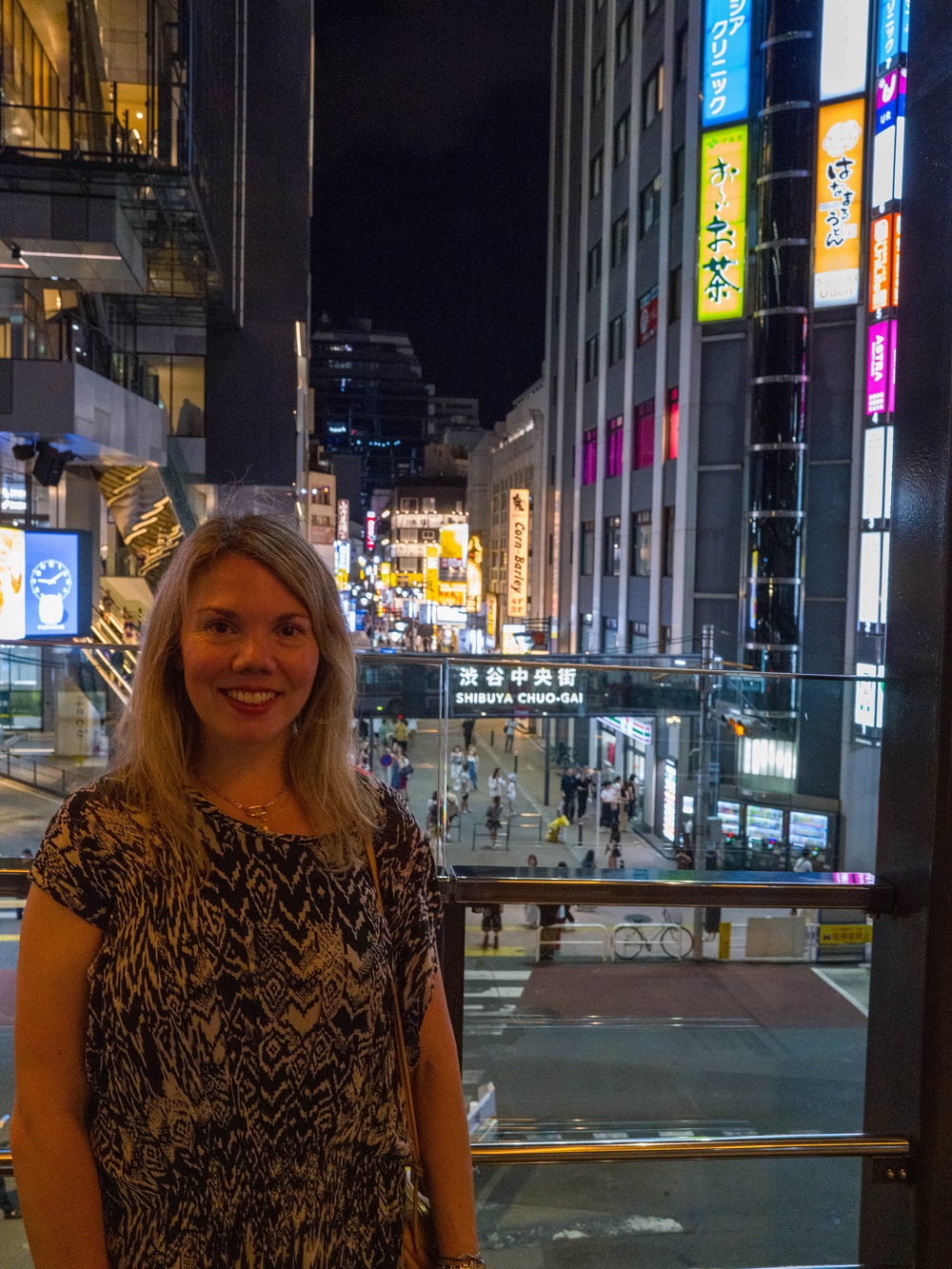
You’re planning your first 5-day Tokyo trip, staring at your closet, overwhelmed by what to pack. Been there. Done that. Ended up with blisters and outfits that felt wrong for the city’s vibe. After half a dozen trips, I’ve nailed down what actually works. This isn’t about looking like a local on day one, but about being comfortable, practical, and still feeling great about what you’re wearing.
Tokyo is a city of endless walking, unpredictable weather, and subtle fashion codes. You need to pack smart, not just pack light. My advice comes from personal experience, from the triumphs of finally getting it right to the agonies of dragging an overstuffed suitcase through Shinjuku Station.
The Shoe Mistake Everyone Makes (And My Go-To Pairs)
Forget those flimsy fashion sneakers. Seriously. I know, I know. You want to look good for Instagram. But Tokyo will chew up and spit out your feet if you prioritize aesthetics over comfort. You will walk miles. Actual miles. A typical day for me in Tokyo involves 15,000 to 20,000 steps, easily. Those cute canvas shoes or stiff leather boots? They’ll be crying by lunch on day one, and so will you.
I learned this the hard way on my second trip, limping through Ueno Park with blisters covering my heels because I thought a fresh pair of Stan Smiths would cut it. They didn’t. Your shoes are the most important item you’ll pack.
Why Your Trendy Sneakers Won’t Cut It
Most trendy sneakers, especially those with minimal arch support or rigid soles, are designed for short bursts of activity or casual wear, not sustained urban exploration. The cobblestones in Ginza, the uneven sidewalks in some older districts, and the sheer volume of steps demand proper cushioning and support. You’ll be standing on crowded trains, navigating escalators, and queuing for popular spots. Your feet need to be happy.
A good pair of walking shoes isn’t just about comfort; it’s about endurance. When your feet hurt, your entire mood sours, and you’ll cut short your explorations. Don’t let bad footwear ruin your trip.
My Top 3 Tokyo Footwear Picks
- Hoka Clifton Series (e.g., Hoka Clifton 9, $145): These are my absolute go-to. They might not be the pinnacle of high fashion, but they’re incredibly cushioned and supportive. I can walk all day in these without a single complaint. They come in surprisingly neutral colors now, so you don’t have to look like you just left a marathon.
- On Cloud 5 or Cloudmonster ($140-$170): Another excellent option if you want something a bit sleeker than Hokas but still demand serious comfort. The CloudTec soles are fantastic for absorbing impact. They’re lightweight and pair well with both casual dresses and trousers.
- Comfortable Loafers or Ballet Flats (e.g., Rothy’s, $125-$160): For evenings or slightly dressier occasions like dinner in Ginza or visiting a traditional garden, I always pack one pair of comfortable, foldable flats. Rothy’s are machine washable and surprisingly good for walking a few miles when needed.
Remember, break them in before you go. A new shoe on a big trip is asking for trouble.
Socks: Don’t Skimp
This is crucial. Good socks prevent blisters. I swear by merino wool blend socks, like those from Smartwool or Darn Tough ($15-$25 a pair). They wick moisture, regulate temperature, and resist odor, meaning you can often get two days of wear out of them if needed. Cotton socks are a blister factory in humid weather.
Outerwear: Don’t Overpack, Layer Instead
Tokyo weather, especially in spring and autumn, can be famously unpredictable. It might start chilly, get warm midday, then turn cool and breezy in the evening. The worst thing you can do is bring a single heavy coat. You’ll either be sweating inside or shivering outside. Layers are your best friend, allowing you to adapt on the fly.
My strategy revolves around three key layers: a versatile base, a mid-layer for warmth, and a packable outer shell for wind or light rain. This system covers almost every scenario without making your luggage burst at the seams.
The Base Layer Game Changer
For your base, think thin, breathable materials. Uniqlo’s Heattech line (especially the Ultra Warm version for colder months, ~$20-$30) is my absolute favorite. It’s lightweight, incredibly effective at retaining warmth, and dries quickly. In warmer seasons, their AIRism line is perfect for wicking sweat. Bring 2-3 of these long-sleeve or short-sleeve tops. They disappear under other clothes and add significant comfort.
Avoid bulky cotton t-shirts as your primary base. They absorb sweat, take ages to dry, and don’t offer much thermal regulation.
Mid-Layers for Variable Temps
This is where you can add a bit of style and warmth. A lightweight cardigan (cashmere blend or fine knit is excellent) or a fleece jacket works wonders. For men, a well-fitting, fine-gauge merino wool sweater or a simple crew-neck sweatshirt can also serve this purpose. Uniqlo again shines here with their cashmere crewneck sweaters ($99) or their soft touch long-sleeve t-shirts ($19.90).
The key is something that’s easy to take off and tie around your waist or stuff into your bag without feeling like a burden. I usually pack one slightly dressier mid-layer (a dark cardigan) and one more casual option (a light fleece).
My Go-To Packable Outer Shell
This is non-negotiable. You need something that provides wind and light rain protection, but can compress down to nothing. The Patagonia Houdini Jacket ($109) is iconic for a reason – it weighs next to nothing (about 3.7 ounces) and packs into its own pocket. It’s not for heavy downpours, but for sudden gusts of wind or a light drizzle, it’s perfect.
For something slightly warmer, Uniqlo’s Ultra Light Down Compact Jacket ($79.90) is fantastic. It’s incredibly warm for its weight, packs into a tiny pouch, and can even be worn as an insulating layer under a larger coat if temperatures really drop.
Your Tokyo Bag Strategy: Backpack, Tote, or Crossbody?
Choosing the right daily bag for Tokyo is more critical than you think. You’ll be carrying water, snacks, shopping, and your camera. Public transport is crowded, and you want to be agile. I’ve seen tourists struggle with oversized totes and unwieldy shoulder bags. My advice: stick to something practical and comfortable.
| Bag Type | Pros | Cons | Best Use Case | My Pick / Price |
|---|---|---|---|---|
| Small Backpack | Hands-free, distributes weight evenly, holds essentials + light shopping. | Can feel bulky on crowded trains, less formal. | All-day exploring, day trips, carrying camera gear. | Fjallraven Kanken Classic (~$90) or a sleek Tumi (~$300) for a nicer look. |
| Crossbody Bag | Secure, keeps valuables accessible, easy to maneuver. | Limited capacity, can get heavy on one shoulder. | Evenings out, quick errands, light sightseeing. | Everlane The Sling Bag (~$65) or a Bellroy Sling Mini (~$99) for minimalist carry. |
| Collapsible Tote Bag | Expands for shopping, lightweight, easy to pack. | No security features, not for valuables, flimsy alone. | Shopping overflow, carrying souvenirs. | MUJI My Bag Foldable Tote (~$10-15). |
Why a Solid Backpack Wins Most Days
For sheer utility and comfort, a small-to-medium sized backpack is unbeatable for daily Tokyo adventures. It keeps your hands free for taking photos, holding ramen, or navigating maps. I typically pack my Fjallraven Kanken Classic because it’s deceptively spacious, durable, and the square shape fits everything neatly. Keep it on your front on crowded trains, just like the locals do.
The Everyday Crossbody for Quick Runs
When I’m just heading out for dinner, a quick museum visit, or exploring a specific neighborhood like Shimokitazawa without a heavy agenda, a small crossbody bag is ideal. It keeps your phone, wallet, and passport secure and close. I’ve found that something like the Bellroy Sling Mini (around $99) is perfect for just the essentials, and it doesn’t look out of place anywhere.
When to Bring a Collapsible Tote
This is a for shopping. Tokyo is a shopper’s paradise, and you’ll inevitably pick up gifts, snacks, or unique items. A lightweight, collapsible tote bag (like the simple ones from MUJI) stows away in your main bag and can be pulled out when you need extra space. Don’t underestimate how quickly your small purchases can add up.
Navigating Tokyo’s Style: District by District
Tokyo isn’t a monolith when it comes to fashion. What works in Harajuku will feel out of place in Ginza. Understanding these subtle shifts helps you blend in (if you want to) or at least not stand out awkwardly. You don’t need a different outfit for every district, but being aware helps inform your packing choices.
The overall vibe is generally put-together, even for casual wear. Sloppy clothes are rare. People care about presentation, but it’s not about flashy brands everywhere.
Shibuya & Harajuku: Embrace the Trends
These are the epicenters of youth culture and street fashion. Here, you’ll see everything from avant-garde to relaxed streetwear. Bold colors, oversized silhouettes, and statement accessories are common. This is where your more fashion-forward sneakers and unique pieces will feel right at home. Don’t be afraid to experiment, but still prioritize comfort for walking.
I find that a well-chosen graphic tee, comfortable wide-leg pants, and my favorite Hoka sneakers fit right in. It’s about expressing personality, not just following rules.
Ginza & Marunouchi: Polished and Reserved
These districts are more upscale and business-oriented. Think elegant, refined, and classic. Darker colors, tailored silhouettes, and quality fabrics are the norm. While you don’t need a suit, avoid overly casual clothes like ripped jeans or flip-flops. A smart dress, tailored trousers with a nice blouse, or dark wash jeans with a crisp shirt and a blazer will serve you well.
My comfortable loafers or ballet flats come in handy here. It’s about looking polished without being stuffy. The Japanese attention to detail means even casual outfits here often look meticulously styled.
Casual Comfort for Everyday Exploring
For most other areas like Shinjuku, Ueno, or Asakusa, comfortable, neat casual wear is perfectly fine. Dark wash jeans, chinos, or comfortable skirts/dresses are great. Neutrals are always a safe bet, often accented with one or two pops of color. Think clean lines, well-maintained clothes, and layers. Nobody wears pajamas or overly revealing clothing in public, even in casual settings.
The key here is respectful presentation. Even if you’re comfortable, ensure your clothes are clean, wrinkle-free, and fit well. This general tip applies across most of Tokyo outside of specific fashion hotspots.
Beyond Clothes: Essential Non-Apparel Items
Your packing list shouldn’t just be about outfits. There are a few non-clothing items that will significantly improve your 5-day Tokyo experience. These are the things I’ve learned to never leave home without.
Powering Your Day: My Charger Pick
- Portable Power Bank (e.g., Anker PowerCore Slim 10000 PD, ~$30): Your phone will be your map, translator, camera, and ticket scanner. It will die. Repeatedly. A compact 10,000 mAh power bank is essential. It’s enough for 2-3 full phone charges and fits in any bag. Don’t rely on finding outlets; you won’t always.
The Rain Gear You Actually Need
- Compact Umbrella (e.g., MUJI Compact Umbrella, ~$15): Tokyo gets rain. Often. And sometimes it comes out of nowhere. A small, sturdy umbrella that fits in your bag is invaluable. You can buy cheap ones at convenience stores, but they often break quickly. Invest in a decent one, you’ll use it.
Carry a Compact Shopping Bag
- Reusable Shopping Bag (e.g., Baggu Standard Baggu, ~$14): Japan has largely moved away from free plastic bags. Having your own reusable bag is not just eco-friendly; it’s practical. It folds down small and is perfect for snacks, drinks, or small souvenirs you pick up from a konbini (convenience store).
Other Small Lifesavers
- Pain Relievers: Something for headaches or foot aches (e.g., Advil, Tylenol). While pharmacies exist, navigating them in a foreign language when you’re already feeling rough is a hassle.
- Travel Adapter: Japan uses Type A and B plugs (two flat pins, or two flat and one round ground pin), with 100V voltage. Most modern electronics are dual voltage, but you’ll need the right adapter.
- Small Hand Towel: Many public restrooms in Japan don’t have hand dryers or paper towels. A small, quick-drying microfiber towel is a local habit and extremely useful.
Quick Laundry Tips for a 5-Day Trip
For a 5-day trip, my verdict is simple: don’t plan on doing extensive laundry unless you’re staying in an Airbnb with a dedicated washer. Seriously. Hotel laundry services are typically expensive, and finding coin laundromats can eat up precious sightseeing time. You’re better off packing enough for five days, plus perhaps one extra outfit. You can hand wash small items like socks and underwear in your hotel sink, but larger garments are best left until you get home.
I’ve tried the “wash clothes in the sink” method for everything, and it’s rarely worth the effort or drying time. Focus on quick-drying fabrics if you insist, but otherwise, just pack a bit more.
Why Hotel Laundry Is Rarely Worth It
Most mid-range to high-end hotels in Tokyo offer laundry services, but they come at a premium. Expect to pay anywhere from $5-$10 for a single shirt. For a full load, you could easily spend $50 or more, which is money better spent on incredible food or unique souvenirs. This cost quickly negates any benefit of packing lighter by planning to do laundry.
The Coin Laundromat Hunt: Time vs. Convenience
While coin laundromats (koin randorī) do exist, they’re not always conveniently located, especially near tourist hotspots. Finding one, figuring out the machines (often in Japanese), waiting for cycles, and then drying can easily take 2-3 hours out of your day. On a 5-day trip, that’s a significant chunk of time you could be using to explore. For longer trips, absolutely, but for five days, it’s generally a skip.
Focus on Quick-Drying Fabrics if You Must
If you absolutely must pack light and plan to hand wash, prioritize quick-drying synthetic blends or merino wool. Cotton is a nightmare for sink washing because it takes forever to air dry, especially in potentially humid conditions. Even then, plan for enough items that you don’t rely on anything drying overnight.
Tokyo Fashion Faux Pas (And How to Avoid Them)
While Tokyo is incredibly diverse, there are some unspoken rules and general observations about style that can help you navigate the city respectfully. This isn’t about being judgmental, but about understanding cultural nuances. You won’t get arrested for these, but you might feel a little out of place.
Can I wear pajamas outside?
No. While some youth fashion embraces “loungewear as streetwear,” actual pajamas (flannel pants, oversized sleep shirts, etc.) are strictly for home. Japanese people are generally very put-together when they leave the house, even for a quick convenience store run. Avoid looking like you just rolled out of bed; it’s considered unkempt.
Are exposed tattoos frowned upon?
Sometimes, yes. Historically, tattoos have been associated with organized crime (Yakuza). While attitudes are slowly shifting, especially among younger generations, visible tattoos can still be an issue in certain public spaces, particularly traditional ones. You might be asked to cover them at public baths (onsen), some gyms, or even some hotel pools. For general sightseeing, it’s less of an issue, but be prepared to cover up if you enter a more traditional establishment.
Is flashy branding too much?
Generally, yes, unless it’s a specific streetwear trend. Over-the-top, loud branding on every item of clothing isn’t common outside of very specific fashion subcultures in places like Harajuku. Tokyo fashion, even high fashion, often favors subtlety, quality, and clean lines over overt brand displays. You’ll see luxury brands, but often integrated into a more understated ensemble. Avoid looking like a walking billboard.
What about strong perfumes or colognes?
Avoid them. Japanese culture highly values subtlety, and strong artificial scents are generally considered impolite, especially in crowded spaces like trains or restaurants. Opt for very light, fresh scents, or better yet, none at all. Focus on being clean and neutral rather than heavily perfumed.
The single most important takeaway is to prioritize comfort and practicality, but never at the expense of looking neat and put-together.